A Guide to Floral Design Workshops for Seniors
Working with flowers is a timeless activity that can bring joy, color, and a sense of accomplishment. For seniors, floral design workshops offer a perfect blend of creativity, social interaction, and gentle activity. These classes provide a structured, supportive environment to learn a new skill, express artistic talents, and connect with others who share a similar interest.
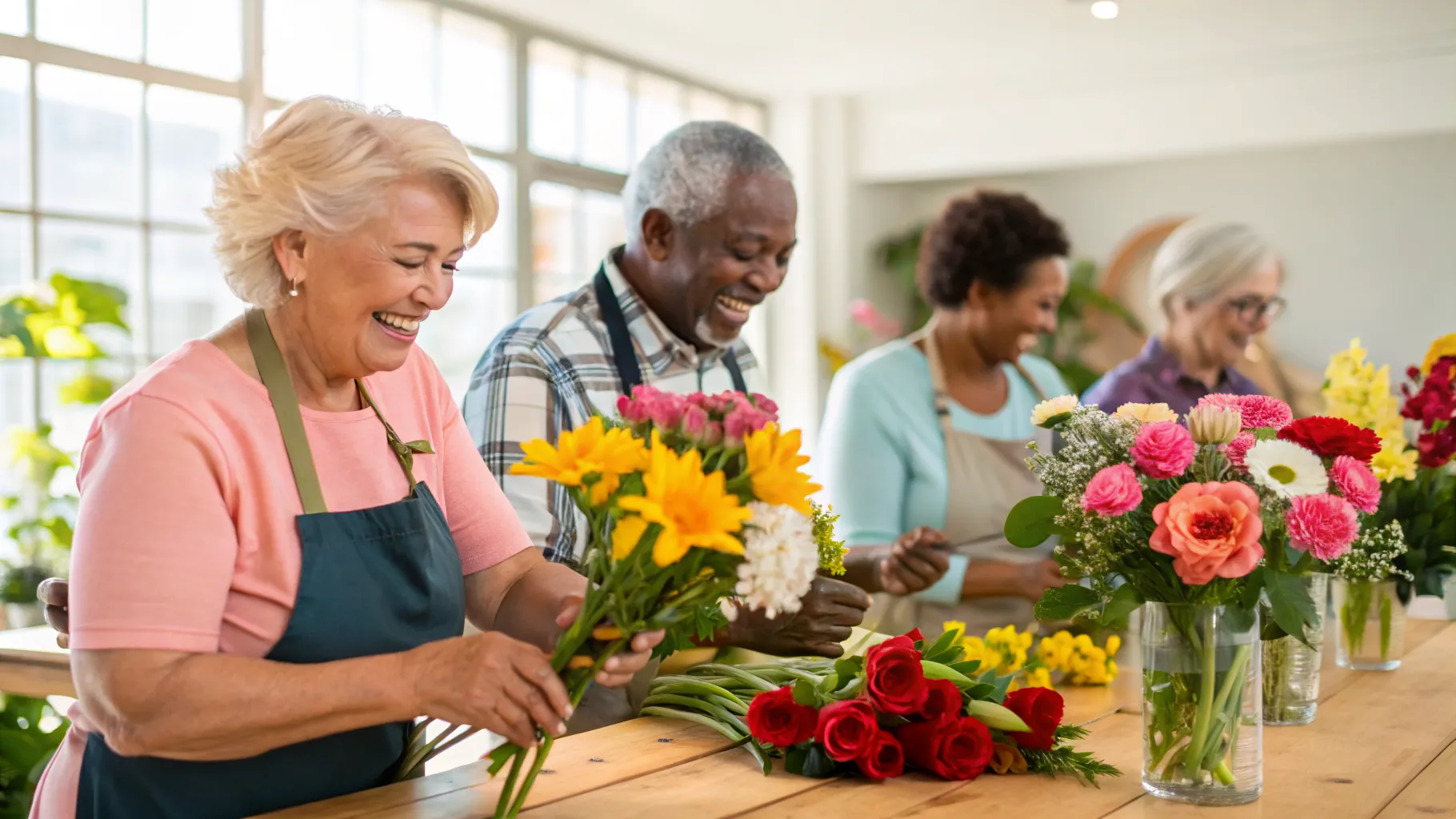
The Benefits of Floral Arrangement for Seniors
Participating in a floral design workshop offers more than just learning how to arrange flowers. The activity provides significant cognitive and emotional benefits. Engaging with different colors, textures, and scents stimulates the senses, while the process of creating an arrangement can improve fine motor skills and hand-eye coordination. It encourages creativity and problem-solving as participants decide how to combine various elements into a cohesive design.
Beyond the mental stimulation, flower arranging is a known form of horticultural therapy. The act of working with natural materials can be calming, reduce stress, and elevate one's mood. It provides a sense of purpose and achievement when a beautiful, finished product is created. The social aspect of a group class also helps combat loneliness and fosters a sense of community, allowing seniors to bond over a shared, positive experience.
What to Expect in a Typical Workshop
Most floral design workshops for seniors are designed to be welcoming and accessible, regardless of prior experience. A typical class begins with an introduction from the instructor, who will discuss the flowers and materials for the day. Participants will learn the names of different blooms, basic principles of color theory, and the fundamental techniques for preparing and handling flowers.
Following the introduction, the instructor will usually provide a step-by-step demonstration of the project, whether it's a vase arrangement, a centerpiece, or a hand-tied bouquet. Then, it's time for hands-on creation. All necessary materials, including fresh flowers, greenery, a vase or container, and tools like clippers and floral foam, are typically provided. The instructor circulates to offer personalized guidance and answer any questions.
Types of Floral Design Classes Available
The variety of workshops available means there is something to suit every interest and skill level. Many classes are centered around seasonal themes, allowing participants to work with the freshest blooms of the moment, from spring tulips and daffodils to autumnal dahlias and chrysanthemums. Holiday-themed workshops, such as wreath-making in the winter or festive centerpieces, are also very popular.
Beyond seasonal offerings, you can find workshops that focus on specific styles or techniques. Some popular options include:
- Beginner Basics: Covering the foundational skills of floral design.
- Ikebana Classes: Exploring the traditional Japanese art of flower arrangement.
- Hand-Tied Bouquets: Focusing on the technique of creating beautiful bouquets without a vase.
- Dried & Preserved Flowers: Teaching how to work with everlasting botanicals to create long-lasting arrangements.
- Terrarium Building: A unique class focused on creating a miniature garden in a glass container.
Finding the Right Workshop for You
Locating a floral design workshop is often easier than you might think. Many community centers and dedicated senior centers regularly host creative classes, including flower arranging. Local florists and garden centers are also excellent places to check, as they frequently offer workshops to the public. Additionally, botanical gardens and local colleges with continuing education programs may have courses available.
When choosing a workshop, consider a few factors to ensure a good fit. Check the accessibility of the venue, including parking and navigation within the space. Inquire about the class size, as smaller groups can offer more one-on-one attention from the instructor. It's also helpful to understand the pace and level of the class to ensure it matches your comfort and energy levels. Don't hesitate to call and ask questions beforehand to find the perfect creative outlet.
Essential Tools and Materials
One of the great conveniences of a floral workshop is that all the necessary supplies are typically included in the registration fee. This means you can simply show up ready to learn and create without needing to invest in tools beforehand. This setup allows you to try the craft and see if you enjoy it before committing to buying your own equipment.
During the class, you will be introduced to the basic tools of the trade. These often include floral shears or sharp clippers for cutting stems, wire cutters for any necessary wirework, and floral tape or foam to provide structure for the arrangement. The instructor will explain the proper and safe use of each tool, ensuring everyone can work confidently.
Making the Most of Your Workshop Experience
To get the most out of your floral design class, approach it with an open mind and a focus on enjoyment rather than perfection. The goal is to have fun, learn something new, and engage your creativity. Listen to the instructor's guidance, but don't be afraid to add your own personal touch to your arrangement. Every creation will be unique, which is part of the beauty of the art form.
Take the opportunity to socialize with your fellow participants. Sharing the experience can make it even more rewarding. Ask questions, share tips, and admire each other's work. At the end of the class, you'll not only have a beautiful floral arrangement to take home and enjoy but also fond memories of a delightful and creative afternoon.