A Guide to Craft and Sewing Classes for Over 60s
Staying active and engaged in retirement can be a rewarding experience, and diving into the world of arts and crafts is a wonderful way to do it. Craft and sewing classes offer a perfect blend of learning a new skill, expressing creativity, and socializing with like-minded individuals. Whether you're a complete novice or looking to revive a long-lost hobby, there's a class out there perfectly suited for you.
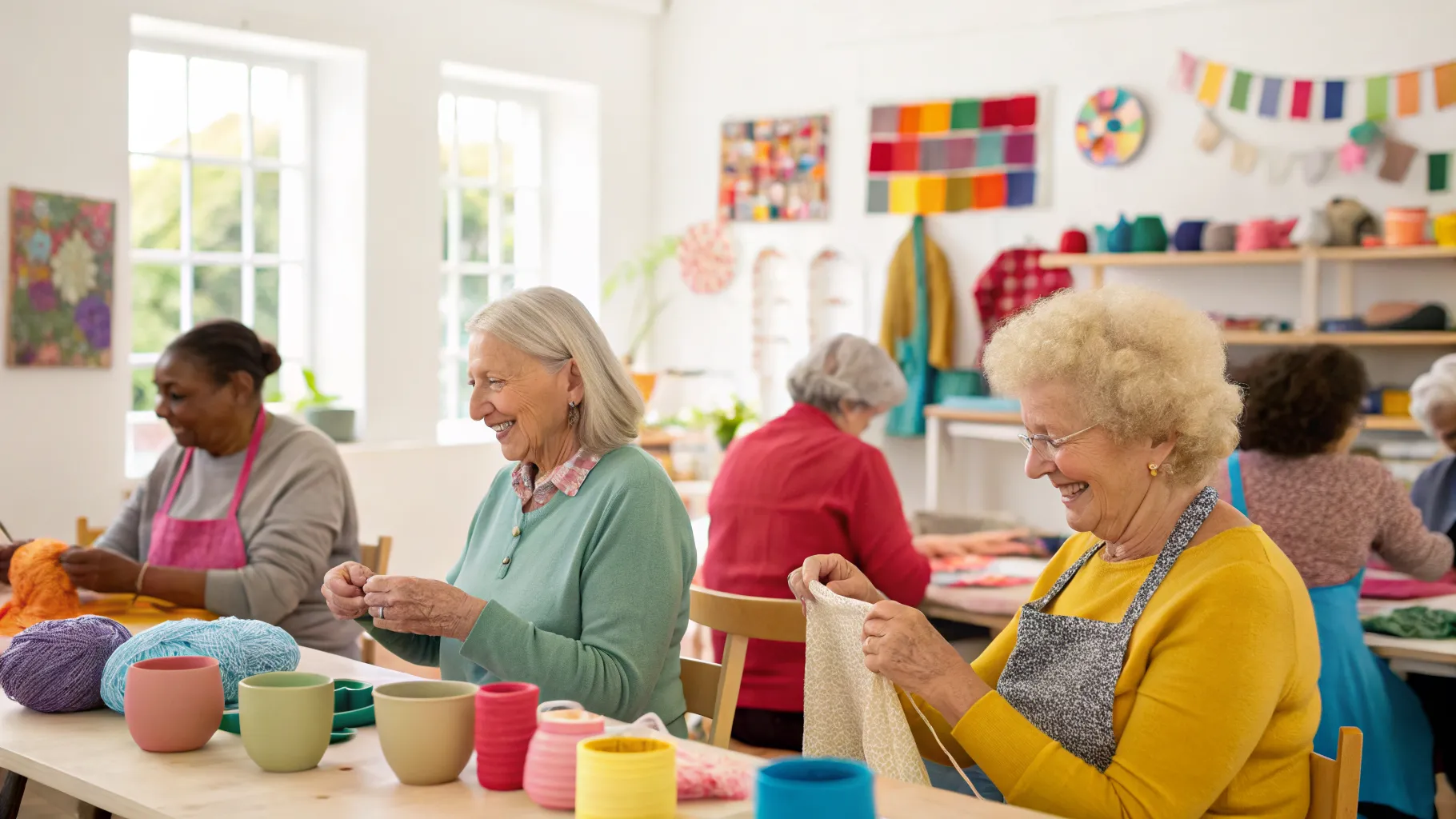
The Many Benefits of Crafting After 60
Engaging in creative activities like crafting and sewing offers numerous benefits, particularly for older adults. These classes provide excellent mental stimulation, helping to keep the mind sharp by requiring focus, problem-solving, and learning new techniques. The process of creating something with your own hands can provide a profound sense of accomplishment and boost self-esteem. It's a tangible way to see your efforts come to fruition.
Beyond the cognitive perks, the social aspect is invaluable. Joining a class provides a fantastic opportunity to meet new people and build friendships in a relaxed, supportive environment. It creates a sense of community and combats feelings of isolation that can sometimes accompany retirement. Furthermore, many crafts involve fine motor skills, and practicing them regularly can help maintain dexterity and hand-eye coordination.
Exploring Different Types of Craft and Sewing Classes
While sewing is a classic and popular choice, the world of crafting is vast and varied. Many workshops cater to a wide range of interests, so it's worth exploring the options to find something that truly sparks your curiosity. You might find classes dedicated to knitting or crocheting, which are portable and relaxing hobbies. Pottery classes offer a hands-on, therapeutic experience with clay, while painting or drawing workshops allow for expressive freedom on canvas or paper.
Other possibilities include jewelry making, woodworking, quilting, embroidery, and even digital art. Don't feel limited to just one. Many community centers offer introductory sessions for various crafts, allowing you to sample a few before committing to a longer course. The key is to find an activity that you genuinely enjoy and look forward to each week.
What a Typical Beginner's Sewing Class Covers
If you're new to sewing, a beginner's class can feel intimidating, but they are designed to be welcoming and straightforward. A good introductory course will start with the absolute basics. You'll learn about the sewing machine itself: how to thread it, wind the bobbin, change the needle, and understand its different parts and functions. Instructors typically guide you through practicing different types of stitches on scrap fabric to build your confidence.
Once you are comfortable with the machine, you will move on to your first simple project. This is often something small and manageable, like a tote bag, a pillowcase, or a simple pair of pajama pants. The instructor will teach you how to read a basic pattern, cut your fabric correctly, and follow the steps to construct the item. The goal is to leave the class with a finished product and the foundational skills to tackle more projects on your own.
Finding the Best Local Crafting Groups and Classes
Locating craft and sewing classes in your area is often easier than you might think. A great first place to check is your local community or senior center. These organizations frequently host a variety of affordable workshops specifically for older adults. Public libraries are also expanding their offerings beyond books and may host crafting circles or one-off classes.
Fabric and craft supply stores are another excellent resource. They often have their own classrooms and a schedule of workshops taught by experienced staff or local artisans. Also, consider looking at local colleges or vocational schools, which may have continuing education departments with courses open to the public. Checking online community boards or local social media groups can also reveal smaller, independent workshops run by local makers.
Considering Online Classes and Resources
For those who prefer to learn from the comfort of their own home or have mobility challenges, online classes are a fantastic alternative. The internet is filled with video tutorials, pre-recorded courses, and even live-streamed workshops that cover every craft imaginable. These platforms offer the flexibility to learn at your own pace, allowing you to pause, rewind, and re-watch instructions as many times as you need.
While you might miss the in-person social interaction, many online courses have dedicated forums or private groups where students can ask questions, share their progress, and connect with fellow crafters. This creates a virtual community of support. When choosing an online class, look for one with clear video quality, positive reviews, and downloadable resources like patterns or supply lists to ensure a smooth learning experience.
Tips for Selecting the Perfect Class
With so many options, choosing the right class depends on your personal goals and preferences. First, consider your current skill level honestly. Enrolling in an advanced class as a beginner can be frustrating, so look for courses explicitly labeled for newcomers. Think about the type of project you want to make; some classes focus on quilting, while others might focus on garment sewing or home decor.
It's also important to consider the practical details before signing up. Look into the following factors:
- Cost: Does the class fee include materials, or will you need to purchase your own supplies?
- Class Size: Do you prefer a large, bustling group or a smaller, more intimate setting with more one-on-one instructor time?
- Schedule: Does the class time and frequency fit comfortably into your routine?
- Instructor: If possible, look up the instructor's work or read reviews to see if their teaching style is a good fit for you.
Asking these questions will help you find a class that is not only educational but also a truly enjoyable and rewarding experience.