A Guide to 7-Night Mediterranean Cruises: Italy, Greece, and Croatia
A seven-night cruise through the Mediterranean offers a fantastic way to sample the rich history, vibrant cultures, and stunning coastlines of Italy, Greece, and Croatia. This type of voyage is a whirlwind tour that packs iconic destinations into a single week, making it an excellent choice for those who want to see a lot in a limited time. Understanding the pace and possibilities of such an itinerary can help you make the most of your European sea adventure.
Understanding the 7-Night Itinerary
A week-long cruise covering three distinct countries is inherently fast-paced. You can expect to wake up in a new port almost every day, with perhaps one or two 'sea days' dedicated to travel between regions. These itineraries are designed to give you a taste of each location, typically offering between 8 to 10 hours ashore at each stop. This allows for a significant amount of exploration but requires planning to maximize your time.
It is important to view a 7-night, multi-country cruise as an introductory survey rather than an in-depth exploration. You will see the highlights, wander through historic city centers, and sample local flavors, but you will not have time to immerse yourself deeply in any single culture. This format is ideal for travelers who enjoy variety and want to identify places they might wish to return to for a longer stay in the future.
Common Ports of Call in Italy
Italy often serves as the starting or ending point for these cruises, with major ports providing access to world-renowned cities. One common port is Civitavecchia, the gateway to Rome. From here, travelers can take a day trip to see landmarks like the Colosseum, the Roman Forum, and Vatican City. Another popular stop is Venice, where the unique experience of arriving by sea offers breathtaking views of the city's canals and historic architecture.
Other Italian ports might include Naples, which provides access to the ruins of Pompeii and the beautiful Amalfi Coast, or Livorno, the port for Florence and Pisa. Each stop presents a choice: join a structured tour to see the main sights efficiently or explore the port town itself for a more relaxed, local experience. Italian ports are celebrated for their history, art, and of course, their incredible culinary scenes.
Exploring the Greek Islands
The Greek portion of the cruise typically focuses on the iconic islands of the Aegean Sea. Santorini is a frequent highlight, famous for its dramatic cliffs, blue-domed churches, and stunning sunsets over the caldera. Here, you can explore the picturesque villages of Oia and Fira or visit ancient archaeological sites. Mykonos is another popular stop, known for its charming white-washed streets, iconic windmills, and lively atmosphere.
Depending on the itinerary, you might also visit Corfu in the Ionian Sea, with its Venetian architecture and lush landscapes, or Katakolon, the port for ancient Olympia, the birthplace of the Olympic Games. Each Greek island has its own unique character, offering a mix of history, mythology, beautiful beaches, and vibrant local life, providing a distinct contrast to the Italian and Croatian stops.
Discovering Croatia's Adriatic Coast
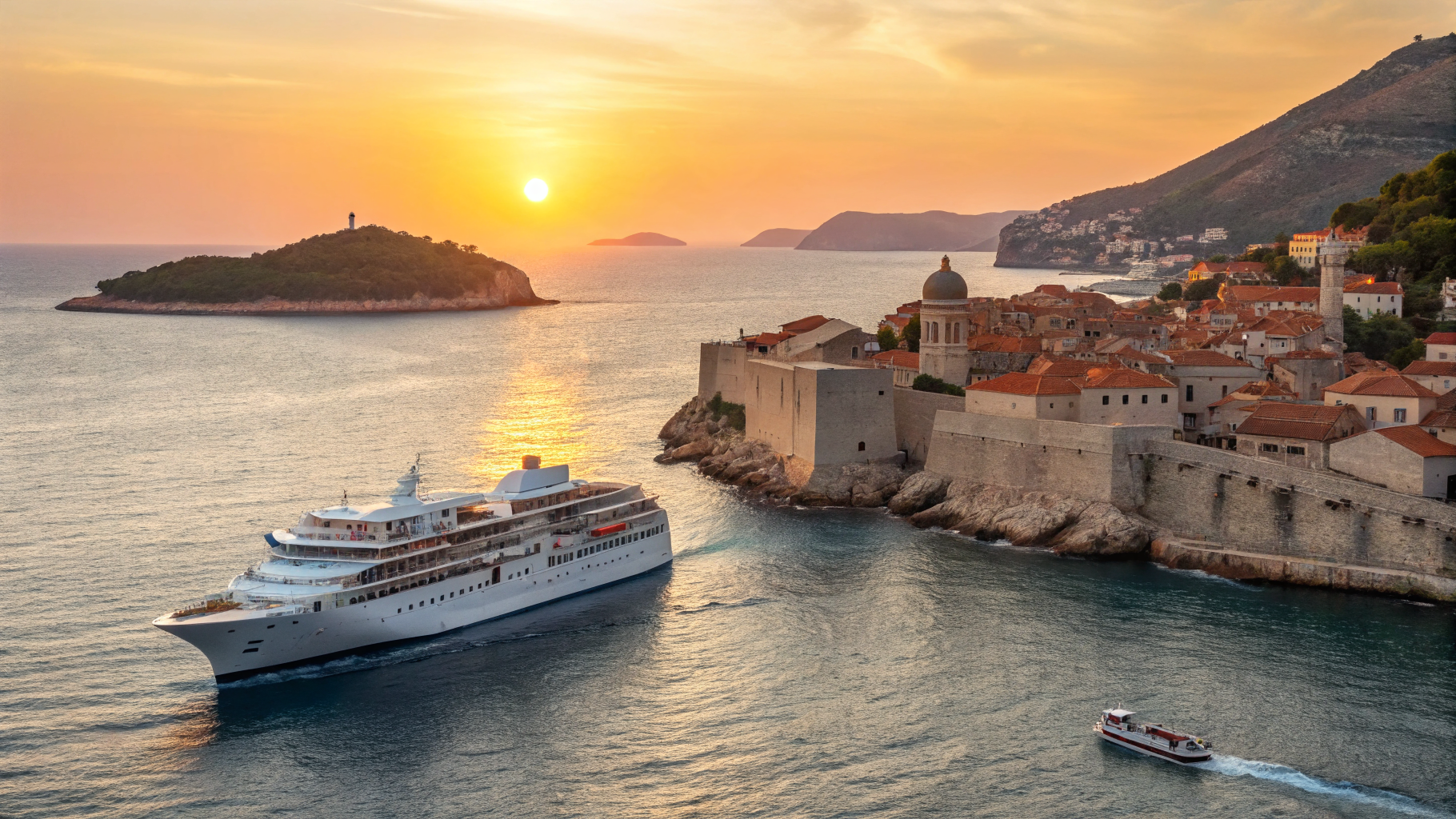
Croatia's coastline is a stunning stretch of the Adriatic, dotted with historic cities and countless islands. The most famous port of call is Dubrovnik, often called the 'Pearl of the Adriatic.' Its magnificent medieval walls encircle a beautifully preserved old town with marble streets, baroque buildings, and scenic viewpoints. Visitors can walk the city walls for panoramic views or explore the settings for many famous television shows and movies.
Another common Croatian stop is Split, a city that grew out of the Roman palace of Emperor Diocletian. The palace remains the core of the city's old town, creating a unique living museum where residents go about their daily lives amidst ancient Roman walls and cellars. Croatian ports offer a fascinating blend of Slavic and Mediterranean cultures, beautiful coastal scenery, and a rich, layered history.
Choosing the Right Cruise Experience
The vessel you choose significantly shapes your travel experience. Major cruise lines offer large, resort-style ships with a vast array of amenities, including multiple restaurants, pools, spas, and entertainment venues. These are often a great choice for families or travelers who enjoy having many onboard options. These larger ships can provide a comfortable and activity-filled home base for your explorations.
Alternatively, smaller luxury lines or specialty cruise companies operate more intimate vessels. These ships often carry fewer passengers, offering a more personalized level of service. Because of their size, they can sometimes dock in smaller, less-common ports that larger ships cannot access. When selecting a cruise, consider the onboard atmosphere you prefer, the types of activities offered, and the overall passenger demographic the cruise line tends to attract.
Essential Packing and Preparation Tips
Packing for a Mediterranean cruise requires a bit of planning. The weather can be variable, especially in the spring and fall shoulder seasons, so dressing in layers is always a good strategy. Comfortable walking shoes are the most important item you can pack, as you will likely spend many hours on your feet exploring cobblestone streets and ancient sites.
Beyond the basics, here are a few key items to remember:
- A mix of casual and slightly dressier attire for evenings on the ship.
- Sun protection, including a hat, sunglasses, and high-SPF sunscreen.
- A reusable water bottle to stay hydrated during shore excursions.
- Any necessary electrical adapters for European outlets to charge your devices.
- Modest clothing, such as a scarf or shawl, to cover shoulders and knees when visiting religious sites in Italy and Greece.
- Copies of your passport and other important travel documents, stored separately from the originals.