A Comprehensive 14-Day Japan Itinerary for 2026: Tokyo, Mt. Fuji, Kyoto & Osaka
Planning a two-week trip to Japan can feel like a monumental task, but this classic route, often called the 'Golden Route', offers a fantastic introduction to the country. It guides you through the bustling capital of Tokyo, offers breathtaking views of Mt. Fuji, immerses you in the cultural heart of Kyoto, and treats your taste buds in Osaka. This itinerary provides a balanced framework, allowing for both structured sightseeing and spontaneous discovery as you prepare for your 2026 adventure.
Getting Started: Essential Pre-Trip Planning
A successful trip to Japan begins long before you board the plane. For a 2026 tour, it's wise to start planning at least six to nine months in advance, especially if you aim to travel during peak seasons like the spring cherry blossoms (late March to early April) or autumn foliage (mid-November). Securing international flights and accommodations early can lead to better availability and pricing. You should also research and consider purchasing a Japan Rail (JR) Pass. This pass offers unlimited travel on most JR trains, including the Shinkansen (bullet train), for a set period, which can be highly cost-effective for this multi-city itinerary.
Beyond major bookings, consider practicalities like connectivity and currency. Renting a pocket Wi-Fi device or buying a travel SIM card upon arrival is essential for navigating and staying in touch. While credit cards are widely accepted in cities, Japan is still a cash-based society in many smaller establishments, temples, and markets. Exchanging some currency for Japanese Yen before you leave or withdrawing from ATMs at the airport is a good practice to ensure you're prepared for all situations.
Days 1-4: Immersion in Bustling Tokyo
Your journey begins in Tokyo, a sprawling metropolis where tradition and hyper-modernity coexist. After arriving at Narita (NRT) or Haneda (HND) airport and settling into your accommodation, spend the first few days exploring the city's diverse districts. Dedicate a day to the west side, visiting the serene Meiji Jingu Shrine, witnessing the fashion-forward crowds in Harajuku, and experiencing the world-famous Shibuya Crossing. Another day can be spent in the east, exploring the historic Senso-ji Temple in Asakusa and the museums of Ueno Park.
To get a feel for the city's scale, head to the observation decks of the Tokyo Metropolitan Government Building in Shinjuku for free panoramic views. This area is also home to the tranquil Shinjuku Gyoen National Garden. For those interested in pop culture, a visit to Akihabara's electronic stores and arcades is a must. Conversely, Ginza offers a more upscale experience with its high-end department stores and art galleries. Use Tokyo's incredibly efficient subway system to hop between these unique neighborhoods.
Day 5: The Majesty of Mt. Fuji and Hakone
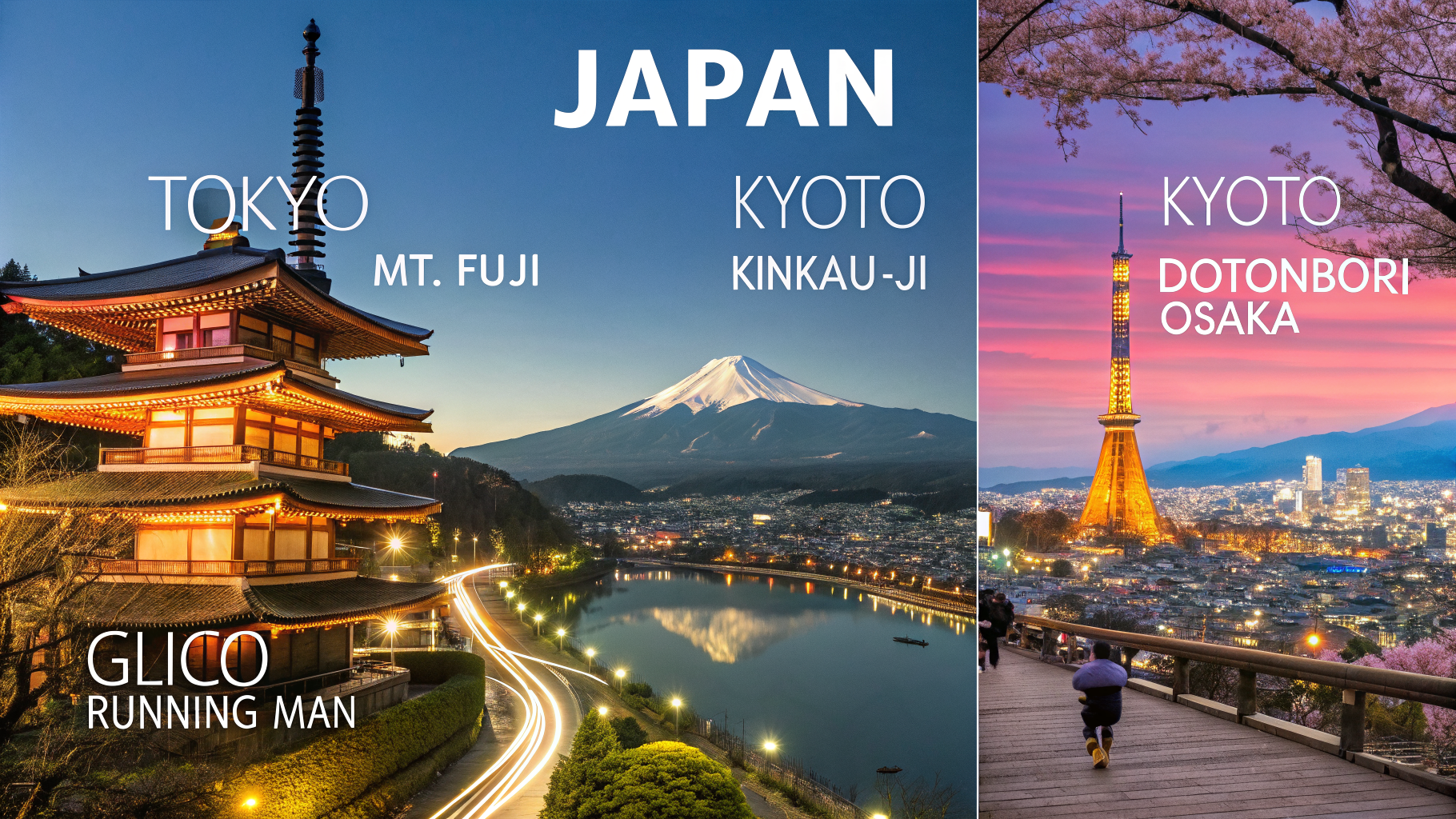
On day five, take a day trip from Tokyo to the Fuji-Hakone-Izu National Park. This region offers some of the most iconic views of Mt. Fuji. The journey itself is part of the experience, often involving a combination of trains, buses, a ropeway, and even a pirate-themed boat cruise across Lake Ashinoko. The Hakone Ropeway provides stunning vistas of the Owakudani volcanic valley and, on a clear day, the majestic snow-capped peak of Fuji-san.
While catching a glimpse of the famously shy mountain depends on the weather, the area offers plenty to do regardless. You can visit the Hakone Open-Air Museum, which blends art with nature, or relax in a traditional onsen (hot spring). Most day tours or self-guided trips from Tokyo are full-day affairs, starting early and returning to the city in the evening. It's a refreshing natural break from the urban intensity of Tokyo before you head south.
Days 6-9: Kyoto's Timeless Temples and Gardens
Take a morning Shinkansen from Tokyo to Kyoto, Japan's former imperial capital. This city is the cultural and historical heart of the nation, boasting thousands of temples, shrines, and immaculate gardens. After checking in, spend your first evening exploring the Gion district, the famous geisha quarter. With its preserved wooden machiya houses and lantern-lit streets, it feels like stepping back in time. You may even spot a geiko (Kyoto geisha) or maiko (apprentice geisha) on their way to an appointment.
Over the next few days, delve into Kyoto's most famous sites. A popular route includes visiting Kinkaku-ji (the Golden Pavilion), the Zen rock garden of Ryoan-ji, and the enchanting Arashiyama Bamboo Grove. Another day should be dedicated to southern Kyoto to walk through the thousands of vermilion torii gates at Fushimi Inari Shrine and enjoy the city views from the wooden stage of Kiyomizu-dera Temple. Consider a half-day trip to nearby Nara, where friendly deer roam freely in Nara Park and the Great Buddha statue sits inside Todai-ji Temple.
Days 10-12: The Culinary Scene of Osaka
A short train ride from Kyoto brings you to Osaka, a vibrant city known for its modern architecture, nightlife, and, most importantly, its incredible food scene. The city's motto is 'kuidaore', which roughly translates to 'eat until you drop', and it lives up to the name. Your first stop should be the Dotonbori district, a dazzling canal-side promenade famous for its enormous neon signs and endless street food stalls. Here you can sample local delicacies like takoyaki (octopus balls) and okonomiyaki (savory pancakes).
Beyond its culinary prowess, Osaka has significant historical sites. Spend a morning exploring the impressive Osaka Castle, which played a major role in the unification of Japan. You can also visit Shitennoji, one of Japan's oldest temples. For a different vibe, explore the retro Shinsekai district, with its iconic Tsutenkaku Tower. If you're looking for modern entertainment, Universal Studios Japan is also located here and is a popular destination for visitors.
Days 13-14: Final Discoveries and Departure
Your final two days offer flexibility depending on your flight's departure point. If flying out of Kansai International Airport (KIX) near Osaka, you can use day 13 for last-minute souvenir shopping in Osaka's Shinsaibashi-suji shopping arcade or take a short trip to the port city of Kobe. Enjoy a final celebratory dinner in the city before heading to the airport on day 14.
If your return flight is from one of Tokyo's airports, day 13 will be a travel day. Take the Shinkansen back from Osaka, a journey of about three hours. This gives you one last evening in Tokyo to revisit a favorite neighborhood or explore a new one. On day 14, you can enjoy a final Japanese breakfast before making your way to Narita or Haneda for your flight home, filled with memories of an amazing two weeks.