A Comprehensive Guide to Walk-In Tub Installation Costs
Installing a walk-in tub can be a significant home improvement project, one that requires careful planning and budgeting. While the tub itself is the primary expense, the installation process involves plumbing, electrical work, and sometimes structural modifications, all of which contribute to the total cost. Understanding these components is the first step toward getting an accurate estimate and avoiding surprises down the road.
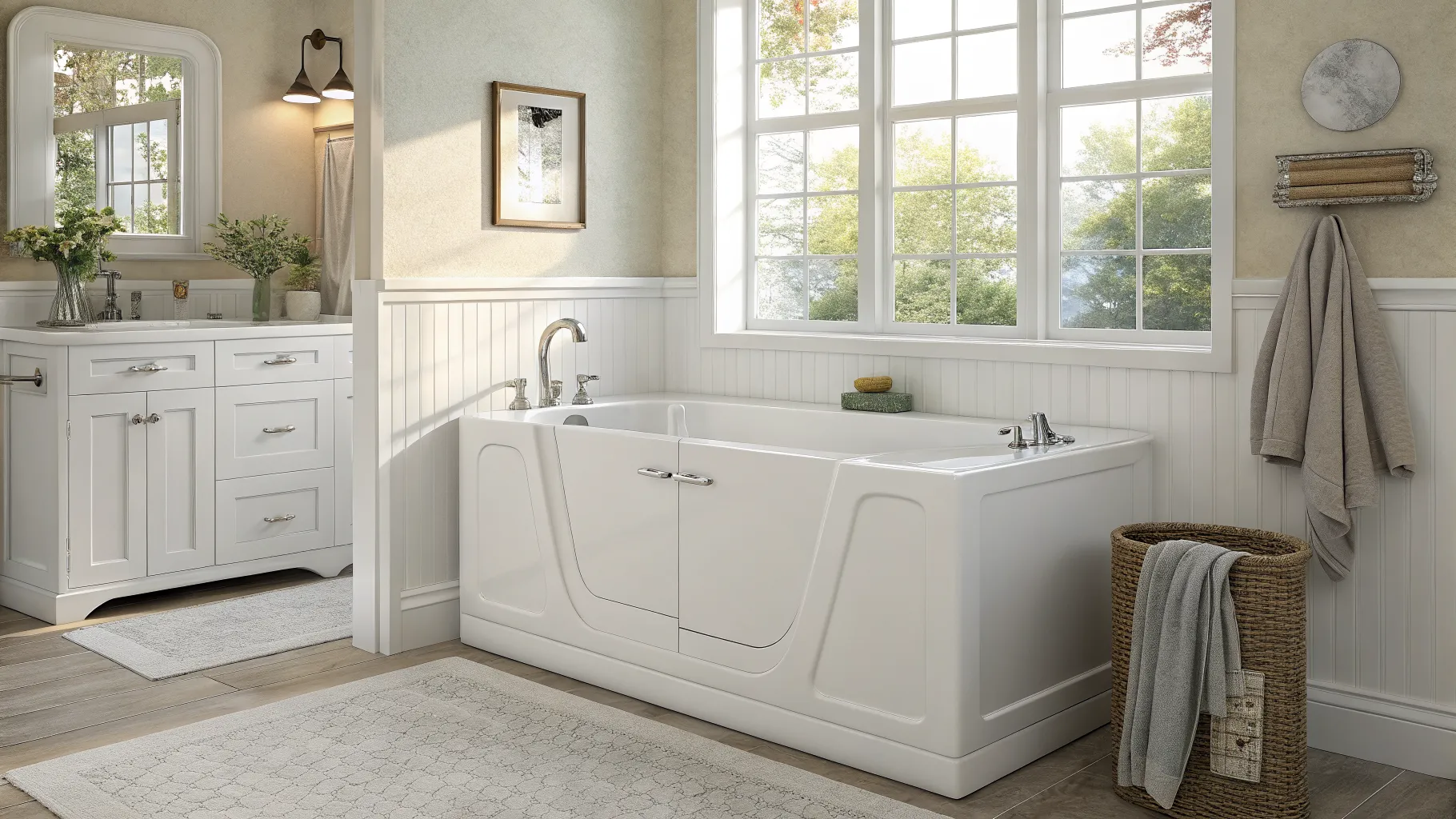
Understanding the Types of Walk-In Tubs
The type of walk-in tub you choose is the largest single factor in your total cost. Basic models offer the core function of safe entry and exit, while more advanced tubs come with a variety of therapeutic features. Knowing the different categories can help you determine what best fits your needs and budget.
Soaker tubs are the most basic and affordable option, providing a standard bathing experience without jets. For a more therapeutic experience, options include aerotherapy (air jets), hydrotherapy (water jets), and combination tubs that offer both. Other luxury features that increase the price include heated backrests, aromatherapy systems, and chromatherapy (colored lights).
The Base Cost of the Tub Unit
Separating the cost of the tub from the installation is crucial for budgeting. The price for the walk-in tub unit alone can vary dramatically, typically ranging from a few thousand dollars for a basic soaker to well over ten thousand for a high-end model with all the bells and whistles. The size, material, and brand will also significantly impact this price.
When comparing tubs, look at the features included. For example, some tubs come with fast-fill and fast-drain technology, which is a highly desirable convenience feature that can add to the cost. The material also plays a role; while most tubs are made of durable acrylic or fiberglass, the thickness and quality can differ between manufacturers.
Key Factors That Influence Installation Costs
The labor and materials required for installation can sometimes equal or even exceed the cost of the tub itself. Several variables determine how complex, and therefore expensive, the installation will be. A professional installer will assess these factors during an in-home consultation.
- Plumbing: Your existing plumbing may need to be reconfigured to fit the new tub's drain and faucet locations. In some cases, pipes may need to be upgraded to a larger size to accommodate faster draining.
- Electrical Work: Tubs with jets, heaters, or lights require a dedicated GFCI-protected electrical circuit. An electrician will need to run new wiring from your home's breaker panel.
- Demolition: The old bathtub or shower must be removed and disposed of, which is a labor-intensive process.
- Finishing Work: After the tub is in place, the surrounding walls and floor will likely need repair. This can involve installing new tile, waterproof backer board, and drywall.
- Labor Rates: The cost of skilled labor varies significantly based on your geographic location.
The Typical Installation Process
A standard walk-in tub installation follows a predictable sequence of events. It begins with a detailed in-home assessment where a professional measures the space, evaluates the existing plumbing and electrical systems, and discusses your specific needs. This step is essential for generating an accurate, all-inclusive quote.
On installation day, the team will first protect your home's floors and walls. They will then turn off the water, disconnect the old fixture, and demolish and remove it. Next, they prepare the space, making any necessary plumbing, electrical, or structural adjustments. Finally, they set the new walk-in tub, connect it, and perform the finishing work on the surrounding walls and floor before a final test and cleanup.
Potential for Additional and Unexpected Expenses
Even with careful planning, unexpected issues can arise during a bathroom renovation. It's wise to set aside a contingency fund, typically 10 to 15 percent of the total project cost, to cover unforeseen expenses that can impact your budget.
Some common additional costs include updating an undersized water heater to ensure you have enough hot water to fill the tub. If the installer discovers mold, mildew, or rot behind the old tub, this will require remediation before the new unit can be installed. In some municipalities, building permits are required for this type of plumbing and electrical work, which adds a small cost and requires an inspection.
How to Get an Accurate Installation Quote
The best way to understand your potential walk-in tub installation cost is to get multiple quotes from qualified professionals. Avoid any company that gives you a price over the phone without seeing the space. A reputable installer will provide a detailed, itemized quote that breaks down the cost of the tub, labor, materials, and any other anticipated charges.
When vetting installers, ask if they specialize in walk-in tubs, as these installations are more complex than standard tubs. Verify that they are licensed and insured in your state. Don't hesitate to ask for references from previous customers and to see a portfolio of their completed work. Choosing an experienced, trustworthy installer is the best way to ensure the job is done right.