A Comprehensive Guide to River Cruises in Europe
Exploring Europe from its historic waterways offers a unique perspective that is both relaxing and deeply immersive. Unlike ocean cruises that travel between coastal cities, river cruises navigate through the continent's interior, docking in the heart of charming towns and vibrant cultural centers. This allows for convenient exploration of iconic landmarks and hidden gems, all from the comfort of a floating hotel.
Understanding the European River Cruise Experience
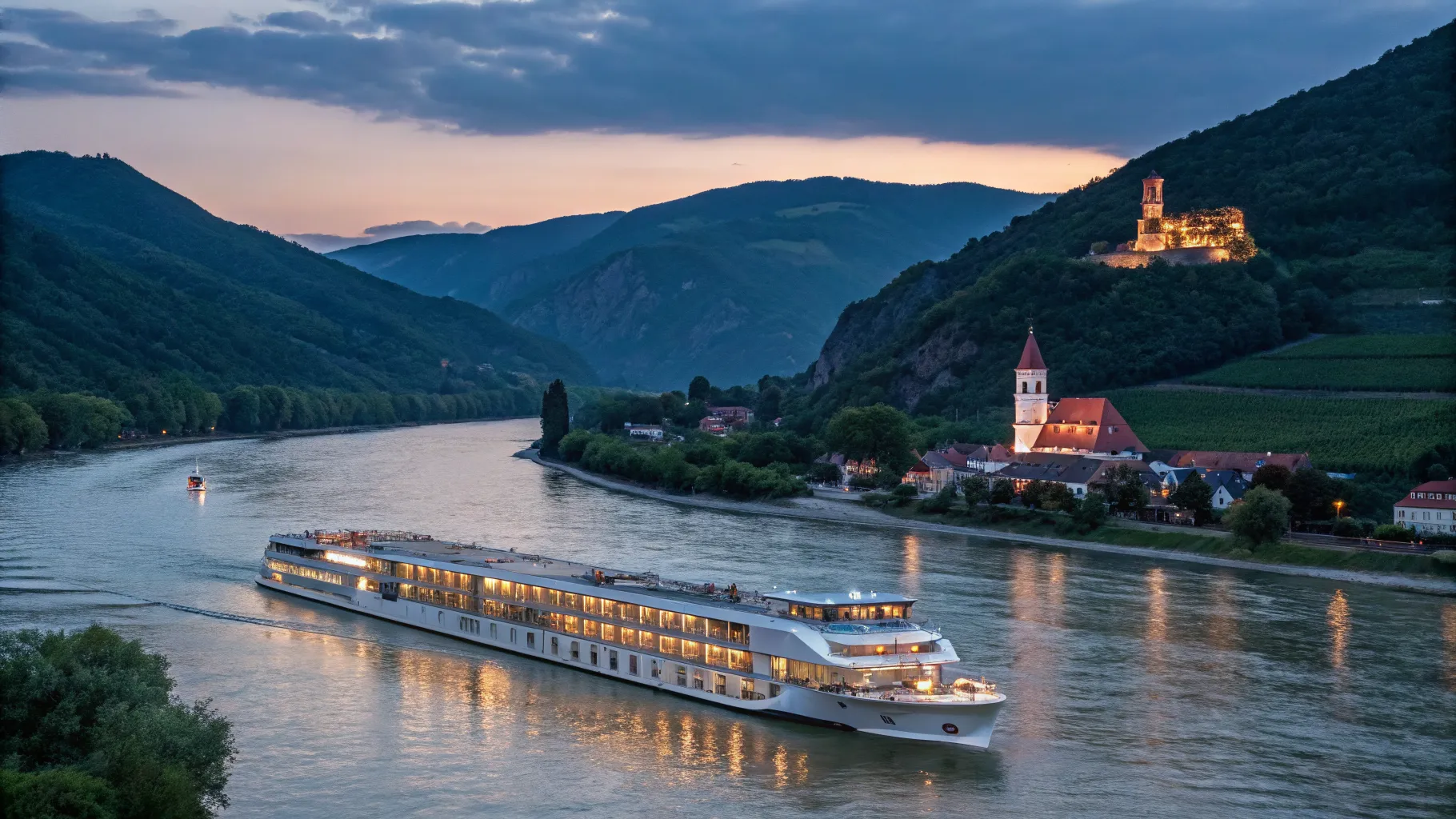
A river cruise provides a significantly different atmosphere compared to its ocean-going counterpart. The vessels are much smaller, typically accommodating between 100 and 200 passengers. This fosters a more intimate and social environment, making it easy to meet fellow travelers. The smaller size also means ships can dock in central locations, often just a short walk from the main attractions of a town or city.
Many river cruises are largely inclusive, with the fare covering accommodation, all onboard meals, and often beverages like wine and beer with lunch and dinner. Daily guided shore excursions are also frequently part of the package. This structure simplifies budgeting and planning, as many of the major costs are handled upfront. The focus is less on onboard entertainment and more on the destinations themselves.
Popular River Cruise Routes
Europe is crisscrossed by a network of navigable rivers, each offering a distinct cultural and scenic journey. Choosing a route often comes down to personal interest, whether it's history, art, food, or wine. Some of the most traveled and celebrated routes provide a fantastic introduction to the continent.
- The Danube River: Flowing through ten countries, the Danube is a classic choice. It connects major capitals like Vienna, Budapest, and Bratislava and passes through stunning landscapes such as Austria's Wachau Valley, a region known for its vineyards and monasteries.
- The Rhine River: Famous for its dramatic gorges, fairytale castles, and terraced vineyards, the Rhine flows from the Swiss Alps to the North Sea. Cruises often feature the scenic Rhine Gorge, a UNESCO World Heritage site, and stop in cities like Cologne, Strasbourg, and Amsterdam.
- The Douro River: For wine enthusiasts, Portugal's Douro River is an excellent option. Cruises navigate through the heart of the Port wine region, with its steep, terraced hillsides. The journey typically begins or ends in the historic city of Porto.
- The Seine River: Starting in Paris, a cruise on the Seine travels through the Normandy region. It is ideal for those interested in history and art, with stops including Monet's gardens at Giverny and the historic Normandy beaches.
Life Aboard a River Cruise Ship
Modern river cruise ships are designed for comfort and sightseeing. Most feature a panoramic lounge with floor to ceiling windows, a restaurant, and a spacious sun deck with seating for enjoying the passing scenery. Other common amenities include a small library, a fitness center, and sometimes a small pool or hot tub. The pace onboard is generally relaxed and unhurried.
Accommodations, or cabins, are efficiently designed. Most outside cabins feature a window, while higher categories may offer a French balcony (a sliding glass door that opens) or a full step out veranda. Dining is a key part of the experience, with chefs often preparing meals inspired by the regions the ship is sailing through, using fresh, local ingredients. Meals are usually served in a single main dining room at set times.
Shore Excursions and Onshore Activities
A major highlight of any river cruise is the daily program of shore excursions. These are typically included in the cruise fare and led by knowledgeable local guides. Excursions often consist of guided walking tours through historic city centers, visits to castles, cathedrals, museums, or local wineries. To cater to different interests and fitness levels, some cruise lines offer a choice of activities.
In addition to the organized tours, itineraries are planned to allow for free time. This gives you the opportunity to explore destinations independently, whether you want to browse local shops, relax at a cafe, or revisit a site of particular interest. Some cruise lines also provide bicycles for guests who wish to explore on their own along riverside paths.
Choosing the Best Time of Year to Go
The main season for European river cruising runs from spring through fall, typically from March to October. Summer months like June, July, and August offer the warmest weather and the longest days, but they are also the most popular and can be crowded. The shoulder seasons of spring and autumn are often considered ideal, with pleasant weather, fewer crowds, and beautiful scenery like blooming flowers or changing fall colors.
Traveling outside the peak season can also offer unique experiences. In late November and December, special Christmas market cruises are very popular on the Rhine and Danube. These itineraries are tailored to visit festive markets in cities like Vienna, Nuremberg, and Cologne, offering a magical holiday atmosphere. It is important to be aware of potential water level issues in late summer (too low) or early spring (too high), which can occasionally affect itineraries.
Tips for First-Time River Cruisers
Before booking your first river cruise, it is helpful to consider a few key factors. Think carefully about the itinerary and the pace. Some itineraries are very port-intensive, with a new stop each day, while others might offer more scenic cruising or longer stays in certain cities. Match the itinerary to your travel style and interests to ensure you get the most out of your trip.
It is also important to understand exactly what is included in the price. While many lines are largely all-inclusive, the level of inclusion varies. Check whether things like gratuities, airport transfers, Wi-Fi, and all beverages are covered. Reading reviews and comparing different cruise lines will help you find the one that best fits your expectations and budget for a memorable journey through Europe's waterways.