A Guide to Selecting Premium Dog Food
Choosing the right food for your dog is one of the most important decisions you'll make as a pet owner. The shelves are filled with options, all claiming to be the best. The term 'premium' is used frequently, but what does it actually mean for your dog's health? This guide will help you decode the labels and make an informed decision based on quality, nutrition, and your dog’s individual needs.
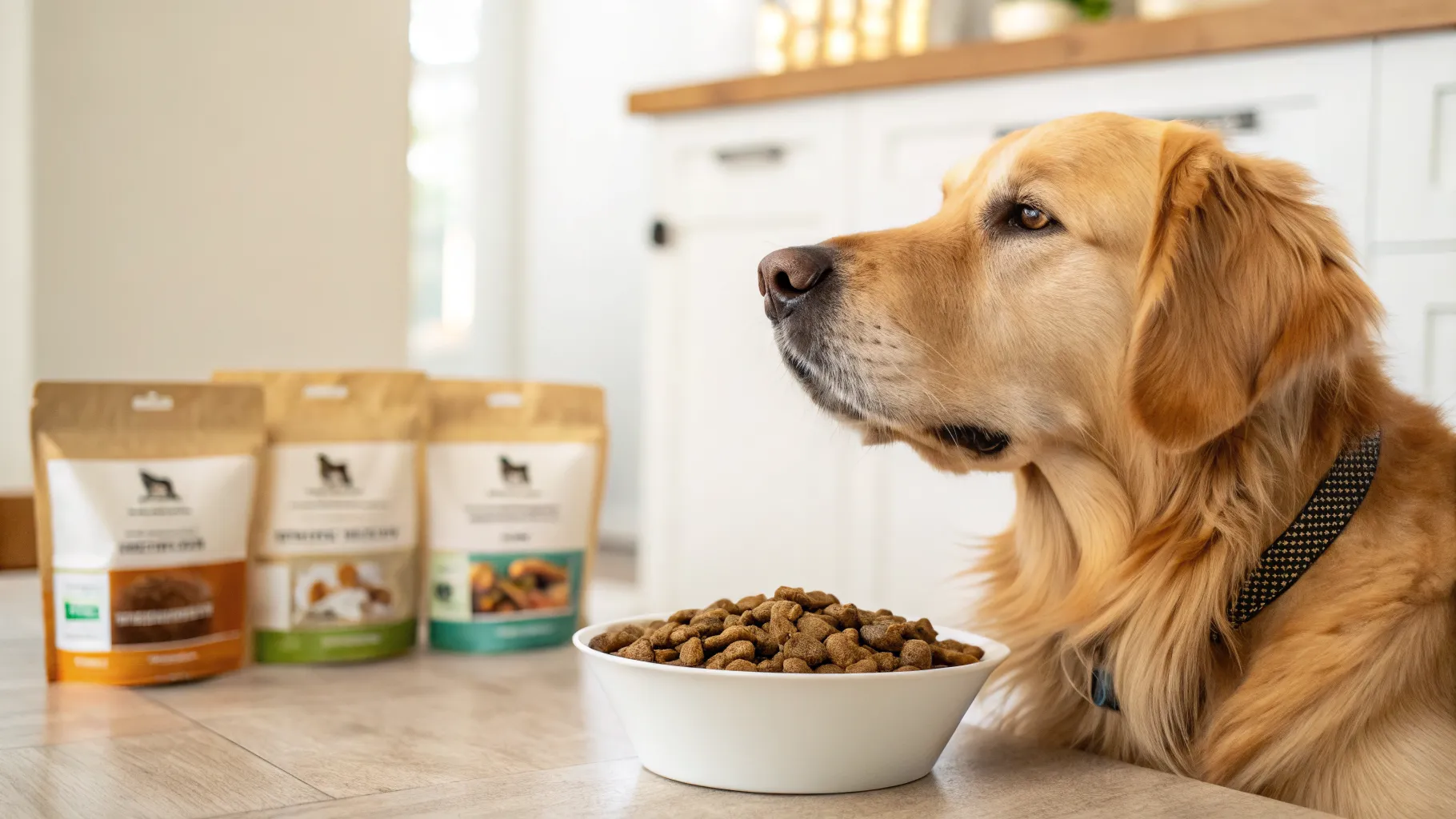
What Defines 'Premium' Dog Food?
The term 'premium' is not officially regulated by pet food authorities, so it’s largely a marketing classification. However, it generally signifies a product that uses higher quality ingredients, has more stringent quality control during manufacturing, and is formulated to offer more than just basic nutritional sustenance. These brands often invest heavily in nutritional research and may have veterinary nutritionists on staff to formulate their recipes.
Compared to standard or economy brands, premium foods typically avoid using inexpensive fillers, artificial colors, artificial flavors, and chemical preservatives like BHA or BHT. Instead, they focus on whole food ingredients, named meat sources, and specific formulations tailored to a dog's life stage (puppy, adult, senior), size, or even breed. They often adhere to nutritional guidelines set by organizations like the Association of American Feed Control Officials (AAFCO).
Deciphering the Ingredient List
The ingredient panel is your most powerful tool for assessing a dog food's quality. Ingredients are listed in descending order by pre-cooking weight, so the first few items make up the bulk of the food. A high-quality food will list a specific, named animal protein source as the first or second ingredient, such as 'deboned chicken,' 'lamb,' or 'salmon,' rather than a generic term like 'meat and bone meal.'
When you scan the label, look for these key indicators of a quality formula:
- Named Protein Source: A whole protein like chicken, beef, or fish should be at the top of the list.
- Whole Carbohydrates: Nutritious sources like sweet potatoes, brown rice, barley, and peas provide energy and fiber.
- Healthy Fats: Look for named fat sources, such as chicken fat or salmon oil, which provide essential omega fatty acids for skin and coat health.
- Natural Preservatives: Quality brands use natural preservatives like mixed tocopherols (a source of vitamin E).
The Great Grain Debate: Grain-Free vs. Grain-Inclusive
Grain-free dog foods have become very popular, marketed as being closer to a dog's ancestral diet and better for dogs with sensitivities. For dogs with diagnosed grain allergies, these formulas can be an excellent choice. They typically substitute grains with alternative carbohydrate sources like potatoes, lentils, peas, and chickpeas.
However, it's important to know that true grain allergies in dogs are uncommon. Most dogs digest grains perfectly well, and whole grains like brown rice and oats are a good source of vitamins, minerals, and fiber. In recent years, the FDA has investigated a potential link between certain grain-free diets, particularly those high in legumes, and a heart condition called dilated cardiomyopathy (DCM). It's always best to discuss your options with a veterinarian before switching to a grain-free diet.
Understanding Different Food Formulations
Premium dog food comes in several forms, each with its own benefits. The most common is dry kibble, which is convenient to store and serve, generally more affordable, and can help with dental hygiene due to its crunchy texture. Premium kibbles are often created using advanced cooking methods to help preserve the nutritional value of the ingredients.
Wet or canned food is another popular choice. It has a high moisture content, which is great for hydration, and is often more palatable for picky eaters or senior dogs. Raw and freeze-dried diets are also gaining traction. These aim to provide nutrition in its most natural state but require careful handling to prevent bacterial contamination and must be nutritionally complete and balanced.
Key Nutritional Components to Look For
Beyond the ingredient list, the 'Guaranteed Analysis' panel tells you the minimum and maximum percentages of key nutrients. Protein is crucial for building and repairing tissues and muscles. Look for foods with high-quality, animal-based protein. The ideal percentage can vary based on your dog's age and activity level, but generally, active adult dogs thrive on foods with higher protein content.
Fat is another essential component, serving as a concentrated source of energy and aiding in the absorption of certain vitamins. Look for rich sources of omega-3 and omega-6 fatty acids to support brain health and maintain a shiny coat. Fiber is also important for a healthy digestive system; sources like pumpkin, beet pulp, and chicory root are excellent additions to a premium formula.
Consulting with Your Veterinarian
Ultimately, the best person to help you choose a food is your veterinarian. They have a complete picture of your dog's health, including their age, breed, weight, activity level, and any existing medical conditions. A dog with skin allergies might need a limited ingredient diet, while a less active senior dog may require a formula with fewer calories and joint support.
Bring your questions and even a few potential food labels to your next appointment. Your vet can help you understand the nutritional information, debunk marketing hype, and recommend a diet that is not only 'premium' by name but is genuinely the best choice for your individual dog's long-term health and well-being.