A Comprehensive Guide to Planning a Laundry Room Makeover
A laundry room makeover can dramatically improve one of the most hardworking spaces in your home. By thoughtfully planning your renovation, you can create a room that is not only more functional and organized but also a more enjoyable place to be. This guide will walk you through the essential steps and ideas to consider as you embark on your project.
Assessing Your Space and Needs
Before you begin choosing finishes or appliances, the first step is to evaluate your current laundry room and identify what isn't working. Consider the overall workflow. Is there a logical progression from sorting dirty clothes to folding clean ones? Think about your daily routine and any pain points you experience, such as a lack of counter space for folding, inadequate storage for supplies, or poor lighting that makes spotting stains difficult.
Measure your space carefully, noting the locations of existing plumbing, vents, and electrical outlets. This will determine the layout and placement of your washer, dryer, and any potential utility sink. Create a list of 'must-haves' and 'nice-to-haves'. Your must-haves might include better storage and a folding area, while nice-to-haves could be a built-in ironing board or a designated spot for air-drying clothes.
Maximizing Storage Solutions
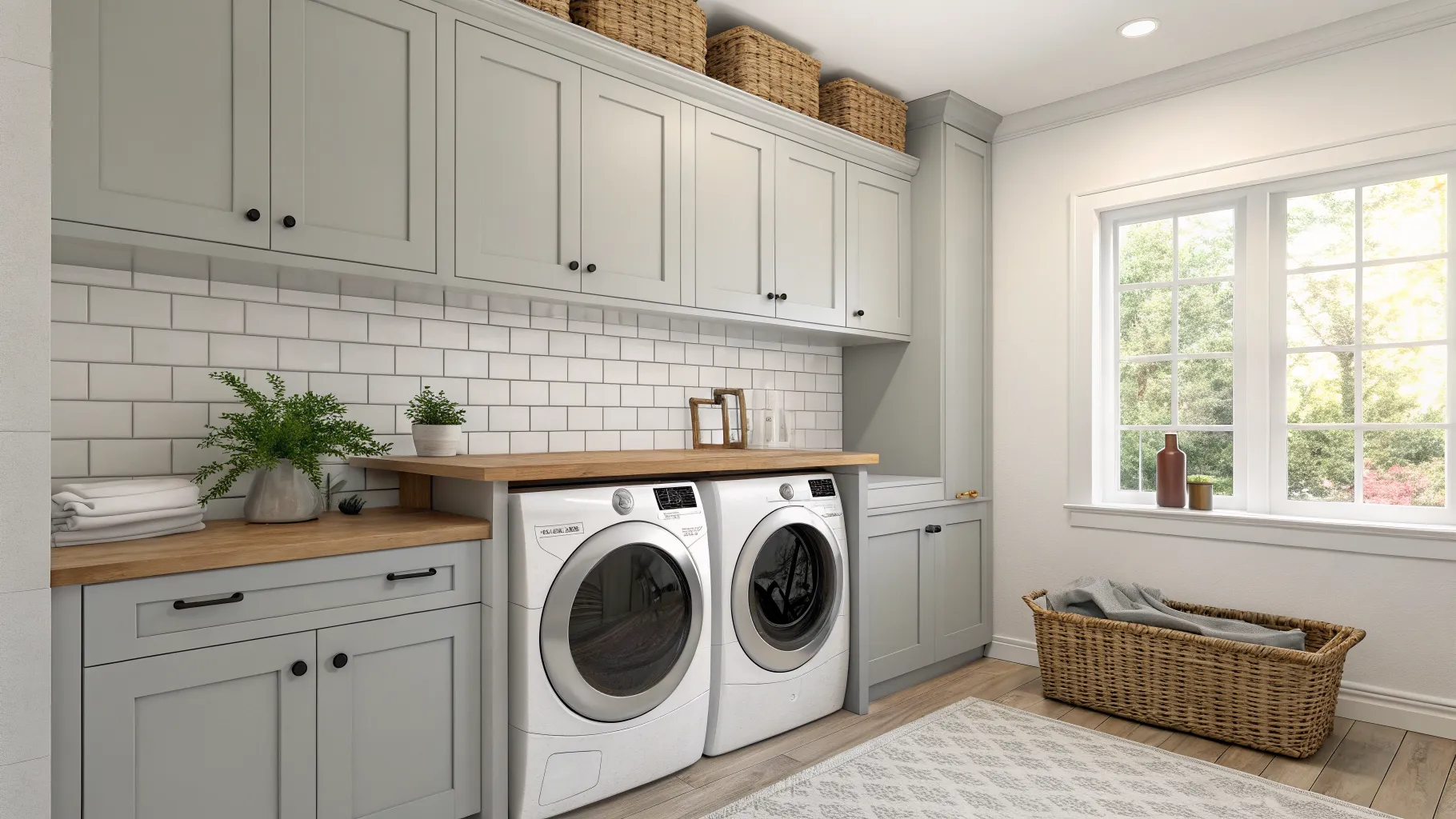
Effective storage is often the most transformative element of a laundry room makeover. Look for ways to utilize vertical space. Installing upper cabinets or open shelving above the washer and dryer can provide ample room for detergents, cleaning supplies, and other essentials. A tall pantry-style cabinet can be perfect for storing brooms, mops, and an ironing board, keeping them out of sight but easily accessible.
In addition to vertical storage, consider the area below. If you have front-loading machines, a countertop built over them creates a large, convenient surface for sorting and folding. Base cabinets can provide concealed storage for less frequently used items. To make the most of your space, look for clever organizational solutions:
- Tilt-out hampers integrated into cabinetry to hide dirty laundry.
- Pull-out shelves or drawers for easier access to items in the back of cabinets.
- Wall-mounted drying racks that fold away when not in use.
- Baskets and bins to group smaller items on open shelves.
Choosing Durable and Practical Surfaces
Laundry rooms are high-moisture environments, so it's crucial to select surfaces that are durable and water-resistant. For countertops, laminate is an affordable and practical option available in many styles. Quartz is another excellent choice as it's non-porous, stain-resistant, and extremely durable. For a warmer, more rustic look, a sealed butcher block counter can work well, but it requires more maintenance to protect it from water damage.
Flooring also needs to be able to withstand spills and heavy foot traffic. Luxury vinyl tile (LVT) and sheet vinyl are popular choices because they are waterproof, durable, and comfortable underfoot. Ceramic or porcelain tile is another classic option that is incredibly resilient and easy to clean. When selecting flooring, consider a material with a bit of texture to prevent slips when the floor is wet.
Upgrading Your Appliances and Utilities
A makeover is the perfect time to evaluate your washer and dryer. Modern appliances offer greater energy and water efficiency, which can lead to savings over time. Consider whether a top-loading or front-loading model better suits your needs and physical comfort. Stackable units are a fantastic space-saving solution for smaller laundry rooms, freeing up floor space for a utility sink or additional storage.
Beyond the main appliances, think about other utility features. A deep utility sink is incredibly useful for pre-soaking stained clothes, hand-washing delicates, or handling various cleaning tasks. Ensure your plumbing, electrical wiring, and dryer venting are all up to code and in good condition. If you are reconfiguring the layout, you may need to consult with a plumber or electrician to safely relocate these connections.
Illuminating Your Laundry Room
Good lighting is essential in a laundry room, both for safety and functionality. A dimly lit room can feel dreary and make tasks like treating stains or sorting colors difficult. A combination of lighting types often works best. Start with a bright overhead ambient light, such as a flush-mount or semi-flush-mount ceiling fixture, to illuminate the entire room.
Next, add task lighting focused on key work areas. Under-cabinet LED strips are an excellent way to brighten up your countertop folding space. If you have a utility sink, consider a small pendant light or a directional fixture above it. If your laundry room has a window, make the most of the natural light by keeping window treatments minimal. A well-lit space will feel cleaner, larger, and more inviting.
Adding Functional and Decorative Touches
Once the major components are in place, it's the finishing touches that will truly personalize your laundry room. A fresh coat of paint in a light, bright color can instantly make the space feel more open and airy. A stylish backsplash behind the counter or sink not only protects the wall from splashes but also adds a pop of color and texture.
Think about function in your decorative choices. Use attractive jars or canisters to store powdered detergent and clothespins, which keeps supplies neat while adding to the decor. A small, durable rug can add warmth and comfort underfoot. Even simple things like upgrading cabinet hardware or adding a piece of art to the wall can elevate the room from a purely utilitarian space to a polished part of your home.