A Comprehensive Guide to Piano Lessons for Seniors
It is never too late to learn a new skill, and playing the piano is a rewarding endeavor at any age. For seniors, embarking on a musical journey can offer a wealth of benefits, from boosting cognitive function to providing a new source of joy and social connection. This guide will walk you through everything you need to know about starting piano lessons later in life.
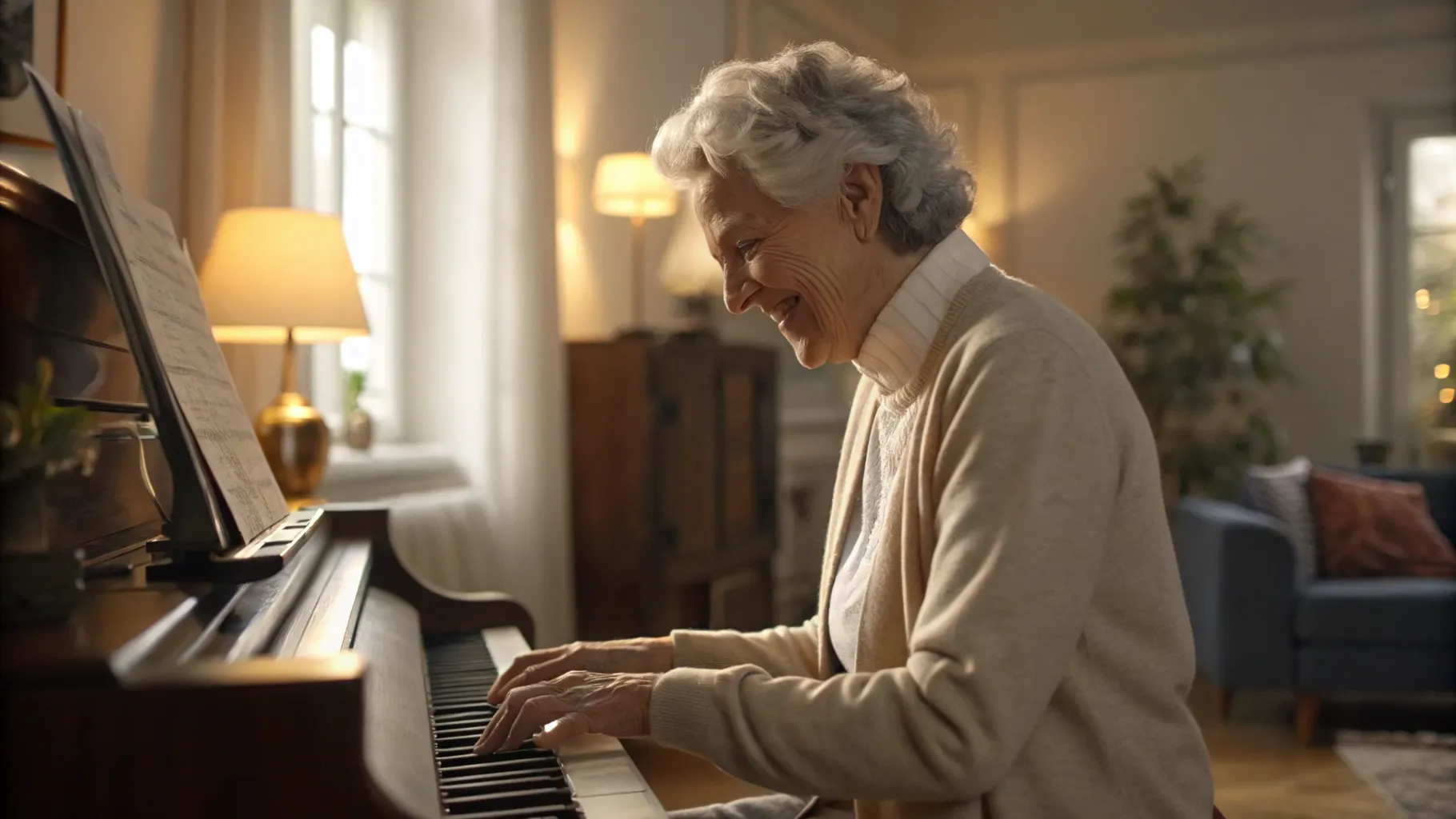
The Benefits of Learning Piano in Your Senior Years
Learning to play the piano as a senior is more than just a hobby; it is a powerful activity for the mind and body. Engaging with music stimulates various parts of the brain, which can help improve memory, concentration, and problem solving skills. The process of reading music, coordinating hand movements, and listening to the sounds produced creates a comprehensive mental workout that helps keep the mind sharp.
Beyond the cognitive advantages, playing the piano offers significant emotional and physical benefits. The act of creating music can be incredibly therapeutic, reducing stress and providing a creative outlet for self expression. Physically, it helps maintain hand eye coordination and finger dexterity. Furthermore, taking lessons or joining a music group can provide a wonderful social outlet, connecting you with fellow music lovers and combating feelings of isolation.
Types of Pianos for Beginners
Choosing the right instrument is a key first step. For senior beginners, the decision often comes down to an acoustic piano versus a digital piano. Acoustic pianos, such as uprights or grands, offer a rich, authentic sound and touch that many players love. However, they require regular tuning, take up significant space, and their volume cannot be adjusted.
Digital pianos and keyboards are often a more practical choice for beginners. They offer several advantages that are particularly appealing to seniors.
- Volume Control: You can adjust the volume or use headphones for silent practice, which is considerate for family members or neighbors.
- Portability and Size: Keyboards are much lighter and more compact than acoustic pianos, making them easier to place in any home.
- No Tuning Required: Digital instruments stay perfectly in tune, saving you the cost and hassle of regular maintenance.
- Extra Features: Many digital pianos come with built in metronomes, recording capabilities, and a variety of instrument sounds to experiment with.
Finding the Right Learning Format
There are several ways to learn piano, and the best format depends on your learning style, budget, and personal goals. One on one private lessons are a popular choice because they offer personalized instruction tailored to your pace and interests. An instructor can provide immediate feedback on your technique and adapt the curriculum to the music you want to play.
Group classes, often found at community centers or music schools, are another excellent option. They provide a structured learning environment and a social element that many seniors enjoy. Learning alongside peers can be motivating and fun. For those who prefer to learn from home, online lessons and apps have become widely available. These can be very flexible and affordable, offering everything from live video lessons with a teacher to self guided tutorials you can follow at your own pace.
What to Expect in Your First Lessons
Starting anything new can feel intimidating, but piano teachers who specialize in adult beginners know how to make the process welcoming and enjoyable. Your initial lessons will focus on the fundamentals. You will likely begin by learning about the instrument itself, including how to identify the keys and understand the layout of the keyboard.
From there, you will move on to the basics of playing. This includes learning proper posture and hand position to prevent strain, simple finger exercises to build dexterity, and the very basics of reading sheet music. You might learn a few simple scales or a very easy melody within your first few sessions. The key is to be patient with yourself; progress is a gradual journey, and the goal is to enjoy each step.
Choosing a Suitable Instructor or Program
The right teacher can make all the difference in your learning experience. When looking for an instructor, seek out someone who has experience teaching adult beginners, and specifically seniors if possible. A good teacher will be patient, encouraging, and able to adapt their methods to your individual needs and physical comfort.
You can find qualified instructors through local music stores, community colleges, or dedicated music schools. Online directories and music teacher associations are also valuable resources. Before committing, consider requesting a trial lesson or an initial meeting to ensure their teaching style is a good fit for your personality and goals. Ask about their approach to teaching adults and what kind of music they typically use with beginners.
Tips for Effective Practice and Staying Motivated
Consistent practice is the key to making progress, but it is important to approach it in a way that is enjoyable and sustainable. Creating a routine can be very helpful. Try to set aside a specific time for practice each day, even if it is just for 15 to 20 minutes. Short, regular sessions are often more effective than infrequent long ones.
To stay motivated, focus on small, achievable goals. Instead of aiming to master a complex piece overnight, celebrate learning a new scale or playing a short melody smoothly. Choose music that you genuinely love and want to play, as this will make practice feel less like a chore and more like a pleasure. Remember to be kind to yourself, embrace the learning process, and have fun with your new musical skill.