A Comprehensive Guide to Modular Homes
Modular homes represent a significant evolution in residential construction, offering a modern alternative to traditional site-built houses. Built indoors in a factory setting, these homes are constructed in separate sections, or modules, which are then transported to a building site for final assembly. This method provides numerous advantages in efficiency and quality control, making it an increasingly popular choice for new homeowners.
What Exactly Is a Modular Home?
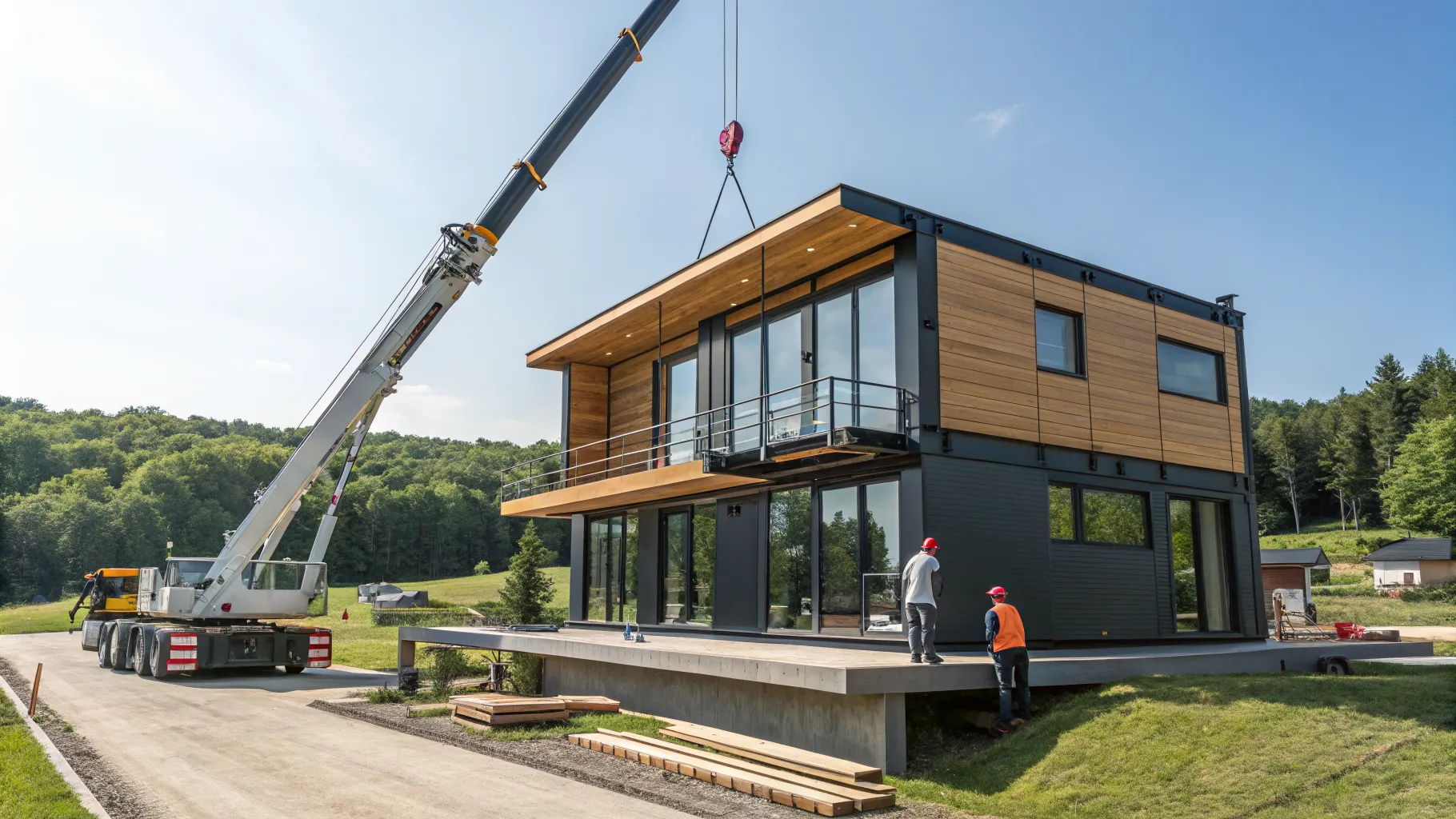
A modular home is a dwelling constructed off-site in a climate-controlled factory using a systematic, assembly-line process. These homes are built in box-like modules that, when combined, form a complete house. Once the modules are finished, complete with walls, flooring, plumbing, and electrical fixtures, they are transported to the permanent location. There, a builder assembles them on a permanent foundation using cranes.
It's important to distinguish modular homes from manufactured homes, sometimes called mobile homes. While both are built in a factory, manufactured homes are built on a non-removable steel chassis and are governed by a different, federal building code (the HUD code). Modular homes, in contrast, are built to the same local, state, and regional building codes as traditional site-built homes, and once assembled, they are virtually indistinguishable from their stick-built counterparts.
The Modular Construction Process Explained
The journey of a modular home from concept to completion follows a precise and efficient path. It begins with the design phase, where the homebuyer works with the manufacturer to select or create a floor plan and choose finishes. Once the design is finalized, construction begins in the factory while the permanent foundation is simultaneously prepared at the building site. This parallel process is a key reason for the faster build times associated with modular construction.
In the factory, each module is built independently. This controlled environment protects materials from weather damage and allows for rigorous quality control at every stage. After the modules are inspected and approved, they are wrapped for protection and transported to the site. A crane carefully lifts each module onto the foundation, where they are expertly joined together. The final stage, known as 'buttoning up,' involves connecting utilities, completing interior and exterior finishing work, and landscaping.
Key Advantages of Building Modular
Choosing a modular home comes with a variety of benefits that appeal to modern homebuyers. The streamlined, factory-based process often results in a faster construction timeline, allowing families to move into their new homes much sooner than with traditional construction methods. Building indoors also eliminates weather-related delays and damage that can plague site-built projects.
Beyond speed, modular construction is known for its quality and durability. Factory settings allow for precise construction techniques and consistent quality checks throughout the build. Other notable advantages include:
- Reduced Waste: Factories can more effectively manage and recycle materials, leading to less construction waste compared to a traditional building site.
- Energy Efficiency: Modular homes are often built to be very airtight, which can lead to better energy efficiency and lower utility bills over time.
- Cost Predictability: With materials and designs finalized upfront, the final cost of a modular home is often more predictable, with fewer chances for unexpected budget overruns.
Customization and Design Flexibility
A common misconception is that modular homes are limited in design and all look alike. In reality, modern modular homes offer extensive customization options, allowing homeowners to create a space that perfectly suits their tastes and needs. Manufacturers typically provide a wide portfolio of floor plans, from small ranches to large multi-story homes, which can be modified to fit specific requirements.
Homebuyers can personalize nearly every aspect of their home. This includes selecting exterior materials like siding and roofing, choosing interior finishes such as cabinetry, countertops, and flooring, and deciding on window and door styles. Many companies also use computer-aided design (CAD) technology, which allows for significant architectural creativity, including unique layouts, vaulted ceilings, and complex rooflines. The result is a home that is tailored to the individual, not a cookie-cutter box.
Understanding the Costs and Financing
The cost of a modular home can vary widely based on size, design complexity, and the level of finishes selected. While the base price from the factory is a major component, it's crucial to budget for all associated expenses. These additional costs typically include the price of the land, foundation work, utility hookups (sewer, water, electric), transportation of the modules, crane rental, and on-site finishing work.
Financing a modular home is very similar to financing a traditional site-built home. Most lenders treat them the same, meaning you can apply for a standard mortgage. Typically, you will first need a construction loan to cover the costs during the building process. Once the home is complete and has passed all inspections, the construction loan is converted into a conventional home mortgage.
Finding a Reputable Builder
Selecting the right modular home manufacturer and local builder is one of the most important steps in the process. Start by researching companies that serve your area. Look for manufacturers with a long history, positive customer reviews, and a strong portfolio of completed projects. It's wise to tour a factory or a model home if possible to see the quality of their work firsthand.
When vetting a company, ask about their warranties, the specific materials they use, and their quality assurance process. Ensure they are certified to build to your state and local codes. The local builder or dealer who will be responsible for setting the modules and finishing the home is equally important. Verify their license, insurance, and experience with modular construction specifically. A good partnership between the manufacturer and the local builder is key to a smooth and successful project.