A Comprehensive Guide to Arts and Crafts for Over 60s
Engaging in creative activities is a fantastic way to stay mentally sharp, socially connected, and emotionally fulfilled at any age. For those over 60, arts and crafts offer a unique opportunity to learn new skills, express individuality, and create beautiful objects. Whether you're a lifelong artist or a complete beginner, there's a craft out there waiting for you.
The Benefits of Creative Pursuits in Later Life
Picking up a paintbrush or a ball of yarn is more than just a way to pass the time; it's an investment in your overall well-being. Creative hobbies have been shown to improve cognitive function, helping to keep the mind agile and engaged. The focus required for detailed work can enhance concentration and problem-solving skills, while the simple act of creating something new can provide a powerful sense of accomplishment and purpose.
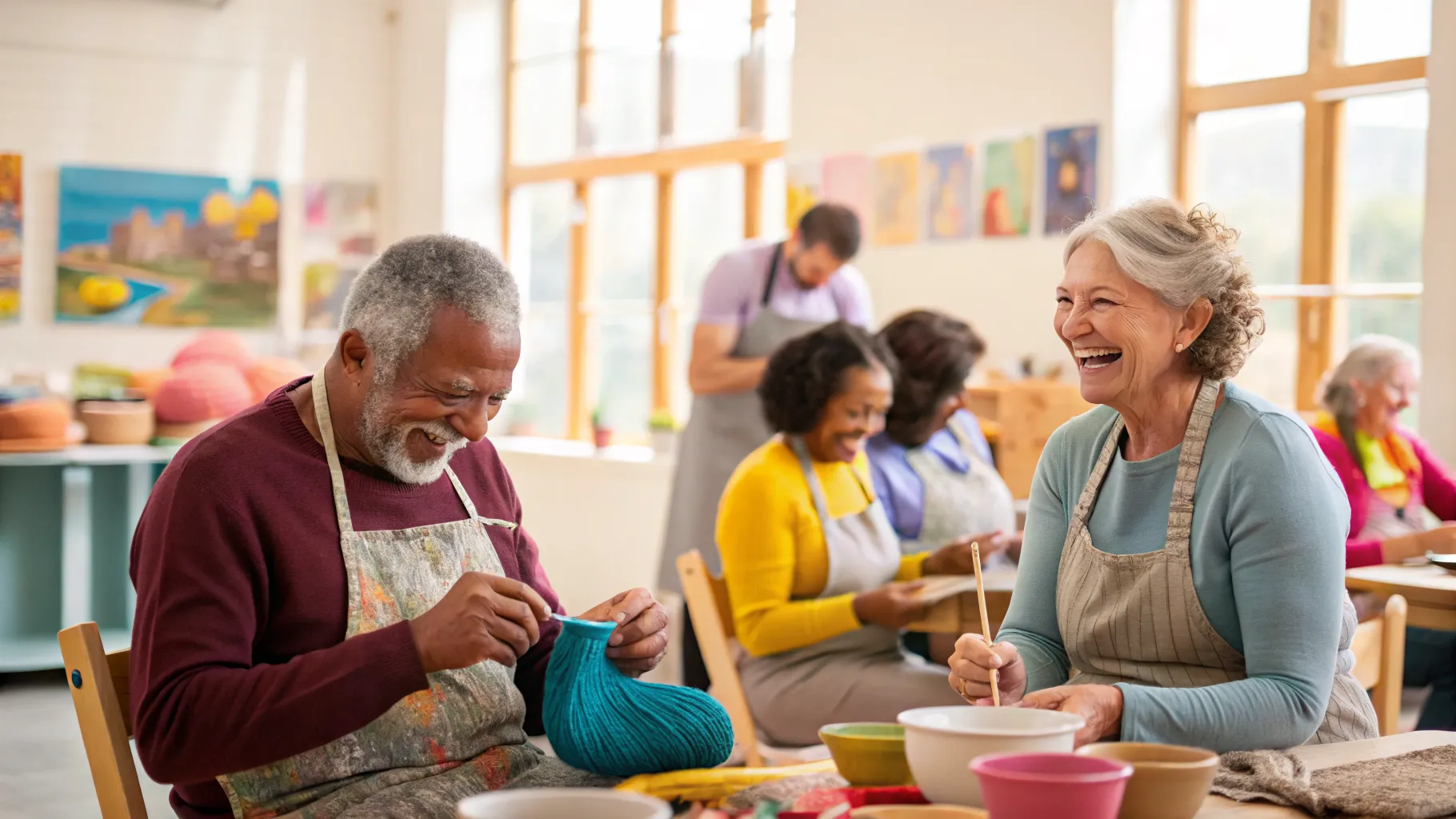
Beyond the mental benefits, arts and crafts can be a wonderful social outlet. Joining a local class or craft circle connects you with like-minded individuals, fostering new friendships and a sense of community. This can be especially important for combating feelings of loneliness or isolation. The therapeutic, often repetitive motions involved in crafts like knitting or pottery can also reduce stress and anxiety, promoting a state of calm and relaxation.
Getting Started with Painting and Drawing
Painting and drawing are classic artistic expressions that are accessible to nearly everyone, regardless of prior experience. They offer a direct way to translate thoughts and observations into visual form. Different mediums provide unique experiences; watercolors are known for their transparent, flowing quality, while acrylics are vibrant, fast-drying, and versatile. Pencils, charcoal, and pastels are excellent choices for those who prefer drawing.
To begin, you don't need a full-blown studio. A simple starter kit is often enough to see if a particular medium is right for you. Consider looking for the following basic supplies:
- A set of beginner-level paints (watercolor, acrylic) or drawing tools (graphite pencils, charcoal sticks).
- A pad of appropriate paper or a few small canvases.
- A small selection of brushes in various sizes.
- A palette for mixing colors and a cup for water.
Exploring Fiber Arts: Knitting, Crocheting, and More
Fiber arts, such as knitting, crocheting, quilting, and embroidery, are beloved for their practical and beautiful results. These crafts involve working with yarn, thread, or fabric to create everything from warm sweaters and blankets to intricate wall hangings. The rhythmic, repetitive motions can be incredibly meditative, making these activities perfect for unwinding and de-stressing.
One of the great appeals of fiber arts is their portability. A knitting or crochet project can easily be carried with you, allowing you to work on it while socializing, traveling, or simply relaxing at home. Starting is relatively inexpensive, requiring only a pair of needles or a hook and some yarn. Many patterns and tutorials are available in books, magazines, and online to guide you through your first scarf, dishcloth, or granny square.
The World of Pottery and Clay Sculpture
For those who enjoy working with their hands, pottery and sculpting with clay offer a uniquely tactile and grounding experience. The process of shaping a lump of earth into a functional pot or an expressive sculpture is deeply satisfying. It connects you with an ancient craft and allows for three-dimensional creativity that other mediums don't offer.
You don't need a potter's wheel and kiln to get started. Air-dry clay is a fantastic, accessible option that hardens on its own without firing, making it perfect for home projects like small dishes, ornaments, or figurines. For those interested in more durable, food-safe creations, look for local community centers or art studios that offer beginner pottery classes. These facilities provide access to all the necessary equipment and expert guidance.
Low-Impact Crafts for Varying Mobility
Many arts and crafts can be adapted to suit different levels of physical ability and dexterity. The key is to find an activity that is enjoyable and comfortable, not strenuous. Crafts that can be done while seated and don't require immense fine motor control are excellent options for many older adults.
If you're looking for a low-impact creative outlet, consider exploring some of these ideas:
- Collage and Mosaics: Creating images by arranging and gluing down pieces of paper, fabric, or tiles.
- Scrapbooking: Organizing photos and mementos into decorative albums to preserve memories.
- Jewelry Making: Stringing large, easy-to-handle beads to create custom necklaces and bracelets.
- Pressed Flower Art: Arranging and preserving dried flowers and leaves to make beautiful, nature-inspired compositions.
Finding Community and Resources
One of the best parts of engaging in arts and crafts is sharing the experience with others. Many communities have resources specifically for older adults looking to explore their creative side. Senior centers, local libraries, and community colleges often host workshops and classes at affordable prices. These are excellent places to learn a new skill in a supportive and social environment.
Local art supply stores can also be a valuable resource. Staff members are often knowledgeable and can recommend beginner-friendly materials. Additionally, the internet is home to a vast number of free tutorials, patterns, and online communities where you can find inspiration and connect with fellow crafters from around the world. A simple search for a craft you're interested in will likely yield a wealth of information to help you begin your creative journey.