A Practical Guide to Effective Weed Removal Methods
Controlling weeds is a fundamental part of maintaining a healthy and attractive lawn or garden. These unwelcome plants compete with your desired flowers, vegetables, and grass for essential resources like water, sunlight, and nutrients. Understanding the different methods available for weed removal can help you tackle the problem efficiently and effectively, ensuring your plants can thrive without unwanted competition.
Manual and Mechanical Removal
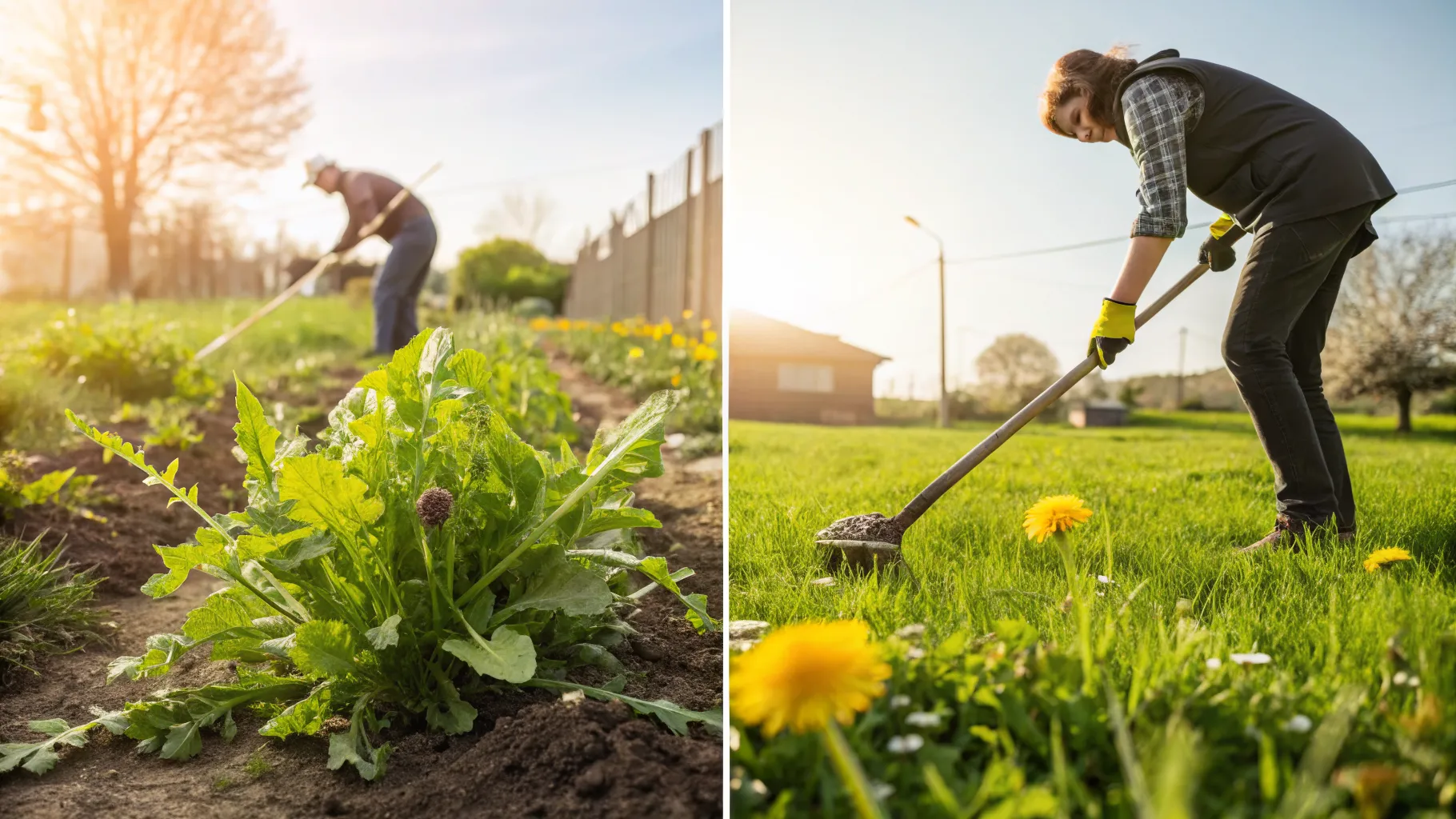
The most traditional and direct approach to weed control is manual removal. This involves physically pulling weeds out of the ground by hand or using simple tools. For shallow-rooted weeds, hand-pulling can be very effective, especially when the soil is moist after a rain. It's precise, costs nothing, and avoids the use of any chemicals, making it an excellent choice for organic gardens and small, manageable areas.
For larger areas or more stubborn weeds, mechanical tools are a great help. A garden hoe can be used to slice weeds off at the soil line, which is effective for annual weeds. For perennial weeds with deep taproots, a specialized tool like a dandelion weeder or a digging fork is necessary to remove the entire root system. Failure to remove the root can result in the weed growing back. While labor-intensive, these methods are highly effective and environmentally friendly.
Cultural Weed Control Strategies
Cultural weed control focuses on creating an environment where desirable plants flourish and weeds struggle to establish themselves. This is a proactive rather than reactive approach. One of the most effective cultural methods is applying a thick layer of mulch, such as wood chips, straw, or compost, around your plants. Mulch blocks sunlight from reaching weed seeds, preventing them from germinating. It also helps retain soil moisture and improve soil health.
Other cultural strategies include proper lawn maintenance and planting choices. Mowing your lawn at a higher setting helps the grass blades shade the soil, which inhibits weed seed germination. Watering deeply but infrequently encourages your lawn to develop deep roots, making it more competitive against weeds. In garden beds, planting densely or using ground cover plants can also crowd out potential weeds, leaving them no space to grow.
Thermal Weed Control Techniques
Thermal weeding uses heat to kill unwanted plants. The most common method is flame weeding, which involves using a propane-fueled torch to quickly heat the leaves of a weed. The intense heat causes the plant's cells to burst, leading to its death. This method is particularly effective on young, annual weeds and is often used for clearing weeds from non-flammable surfaces like gravel driveways, patios, and sidewalk cracks.
Other thermal options include using boiling water or steam. Simply pouring boiling water directly onto a weed can be enough to kill it, roots and all. This is a simple, chemical-free option for spot treatments. Steam weeders work on a similar principle, using superheated water to destroy the plant's structure. It's important to exercise caution with any thermal method to avoid damaging nearby desirable plants and to prevent any fire hazards.
Understanding Chemical Herbicides
When other methods are impractical, chemical herbicides offer a powerful solution. Herbicides are generally categorized based on how they work. Non-selective herbicides will kill any plant they come into contact with, making them suitable for clearing large areas of all vegetation. In contrast, selective herbicides are designed to target specific types of plants, such as broadleaf weeds in a lawn, without harming the surrounding grass.
Herbicides are also classified as pre-emergent or post-emergent. Pre-emergent herbicides are applied to the soil to prevent weed seeds from germinating, acting as a barrier. Post-emergent herbicides are applied directly to existing weeds that are actively growing. When using any chemical product, it is crucial to read and follow the manufacturer's instructions carefully for safety, proper application rates, and timing to ensure effectiveness and minimize environmental impact.
Natural and Organic Solutions
For those who prefer to avoid synthetic chemicals, several natural and organic options are available. Household vinegar, particularly horticultural vinegar with a higher acetic acid concentration, can be used as a contact herbicide. It works by burning the foliage of the plant it touches. It is most effective on young, small weeds and may require multiple applications for more established plants.
Another popular organic method is using corn gluten meal as a natural pre-emergent. When applied to lawns and gardens in the spring, it can inhibit the germination of weed seeds like crabgrass and dandelions. It's important to note that it also prevents other seeds from growing, so it should not be used in areas where you plan to sow new grass or plant seeds. Boiling water, as mentioned in thermal methods, is another simple and effective organic spot treatment.
Choosing the Best Method for Your Needs
The best weed removal method depends on several factors, including the type of weed, the size of the infested area, and your personal philosophy on gardening. For a small vegetable patch, hand-pulling and mulching might be the perfect combination. For a large lawn struggling with crabgrass, a carefully applied pre-emergent herbicide could be the most practical solution.
Often, an integrated approach that combines multiple strategies yields the best long-term results. For example, you might use a selective herbicide to get an initial infestation under control, then follow up with cultural practices like proper mowing and mulching to prevent the weeds from returning. By understanding the pros and cons of each method, you can develop a customized weed control plan that keeps your outdoor spaces healthy and looking their best.