A Complete Guide to Candle Making Workshops
Candle making is a creative and rewarding hobby that combines science with artistry. For those curious about the craft but unsure where to start, a workshop can be the perfect introduction. These classes provide expert guidance, all the necessary materials, and a structured environment to learn the fundamentals of creating your own beautiful, scented candles from scratch.
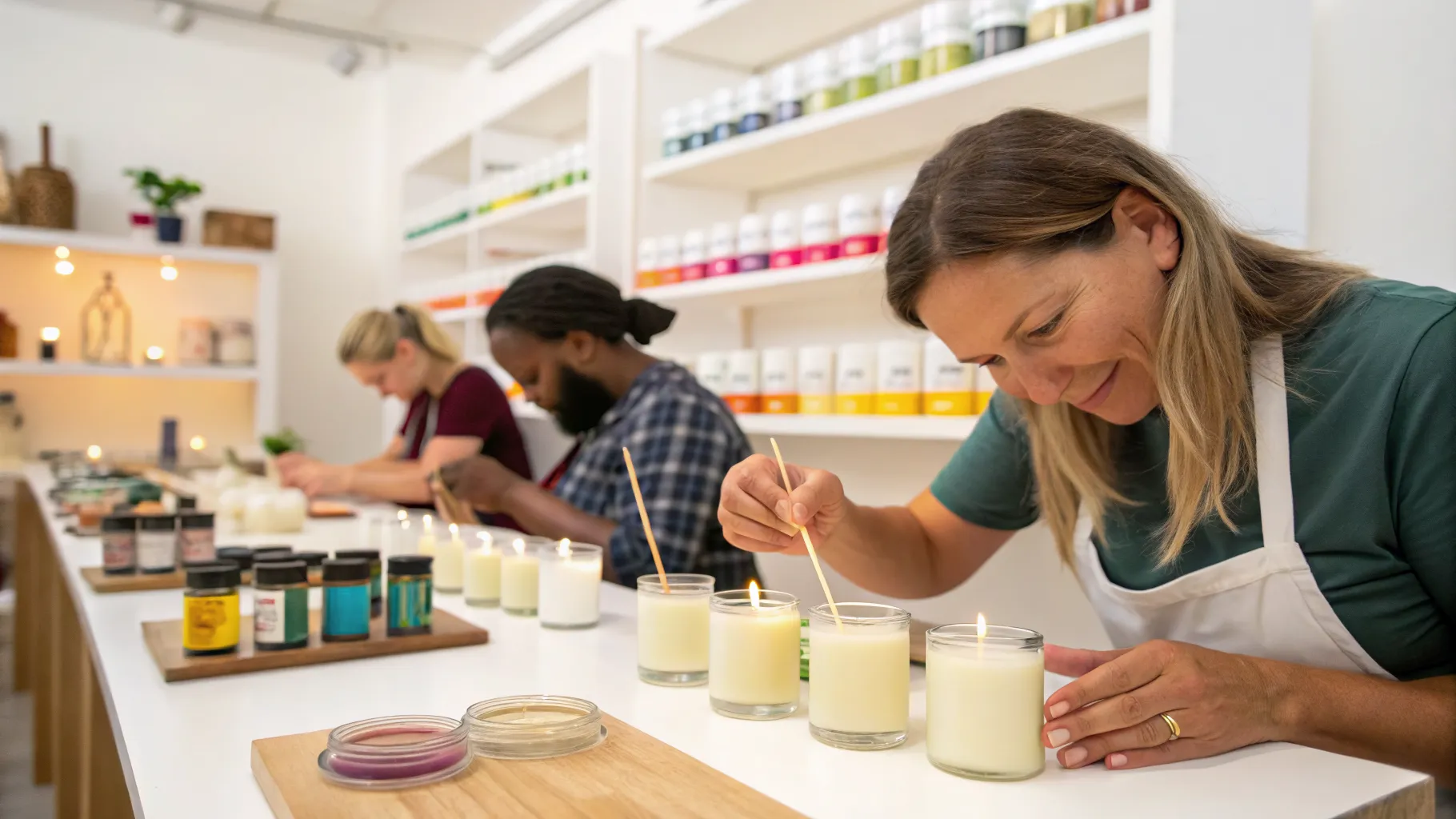
What Happens at a Typical Candle Making Workshop?
Most candle making workshops follow a similar structure designed to guide you from novice to creator in a single session. Upon arrival, you'll likely be greeted by an instructor who will begin with an overview of the process. This includes a crucial safety briefing, an introduction to the different tools and materials you'll be using, and a demonstration of the core techniques.
After the introduction, the hands-on fun begins. You will typically get to choose your own vessel or container, select a wick appropriate for its size, and blend your own unique scent from a library of fragrance or essential oils. The instructor will then guide you through the process of melting the wax to the correct temperature, mixing in your fragrance, and pouring it carefully into your container. While your candle cools and sets, the instructor may share tips on candle care and troubleshooting common issues.
Exploring Waxes and Fragrances
A key part of any workshop is learning about the primary ingredients. You will likely encounter several types of candle wax, each with its own characteristics. Soy wax is a popular choice for beginners as it's a natural, renewable resource that burns cleanly. Other common options include paraffin wax, known for its strong scent throw, and beeswax, which has a naturally sweet aroma and a long burn time. Some workshops may also feature coconut wax or other blends.
The fragrance is what gives a candle its personality, and you'll learn the difference between fragrance oils and essential oils. Fragrance oils are synthetically created and offer a wide range of strong, complex scents. Essential oils are derived from plants and provide a more natural, subtle aroma often used in aromatherapy. The workshop will teach you how much fragrance to add to your wax for a balanced and pleasant scent that is not overwhelming.
How to Choose the Right Workshop for You
With many options available, finding the right workshop depends on your personal goals. Consider what you want to get out of the experience. Are you looking for a fun, social activity with friends, or are you hoping to build a foundational skill for a new hobby? The length of the class, the size of the group, and the specific curriculum can all influence your decision. Some classes are short and sweet, while others offer a more comprehensive, multi-hour deep dive.
To help narrow down your search, think about the following factors:
- Beginner Focus: Look for classes that explicitly state they are for beginners and cover all the basics from start to finish.
- Advanced Topics: If you have some experience, you might seek out workshops on specific techniques like making pillar candles, creating wax melts, or advanced scent blending.
- Group Size: Decide if you prefer a large, energetic class or a smaller, more intimate setting that allows for more one-on-one attention from the instructor.
- Instructor's Style: A quick look at a studio's website or social media can often give you a feel for their aesthetic and teaching style.
In-Person vs. Online Learning Experiences
Candle making workshops are available in both in-person and online formats, each offering distinct advantages. In-person classes provide a hands-on, immersive experience where you can receive immediate feedback from an instructor. All tools and materials are provided, so you don't have to invest in any equipment yourself. This format is also very social, making it a great option for a group outing or a chance to meet new people with similar interests.
Online workshops, on the other hand, offer incredible flexibility and convenience. You can learn from the comfort of your own home and often at your own pace. Many online providers will ship a complete kit with all the necessary materials directly to your door. Other virtual classes might provide a detailed shopping list so you can source your own supplies. This can be a great way to learn if there are no local studios near you or if your schedule requires more flexibility.
Core Skills You Will Develop
Beyond simply following a recipe, a candle making workshop equips you with practical skills. One of the most important is proper wicking. You will learn how to choose the right size and type of wick for your container to ensure a safe and even burn. An incorrectly sized wick can lead to problems like tunneling, where the wax only melts in the center, or excessive smoking.
You will also gain an understanding of temperature control, which is critical for achieving a smooth finish and excellent scent throw. Instructors will teach you the optimal temperatures for melting wax, adding fragrance, and pouring. Additionally, you will learn basic fragrance blending principles and the math required to calculate the correct wax-to-oil ratio. These foundational skills are essential for anyone wanting to continue making candles at home.
Understanding Workshop Costs and Inclusions
The price for a candle making workshop can vary based on several factors, including the location of the studio, the duration of the class, and the quality of the materials used. Before booking, it's a good idea to clarify exactly what is included in the fee to ensure it meets your expectations and budget. A higher price point often reflects premium ingredients, a more experienced instructor, or a longer, more detailed class.
In most cases, the workshop fee is all-inclusive. This means it covers all the supplies you'll need to create one or more candles to take home with you. This typically includes the wax, a container, a wick, and access to a full range of fragrances and color dyes. The use of all necessary equipment, such as melting pots, thermometers, and scales, is also part of the package. Some studios may offer optional upgrades, like premium vessels or a wider selection of scents, for an additional cost.