A Buyer's Guide to Unsold Pickup Trucks
If you've ever searched for a new vehicle, you might have come across the term 'unsold' or 'leftover' models. This is particularly common in the world of pickup trucks, where inventory levels can fluctuate significantly. Understanding what these terms mean can open up opportunities for acquiring a brand-new vehicle at a considerable discount. This guide provides a detailed look into the world of unsold pickup trucks, helping you navigate the process with confidence.
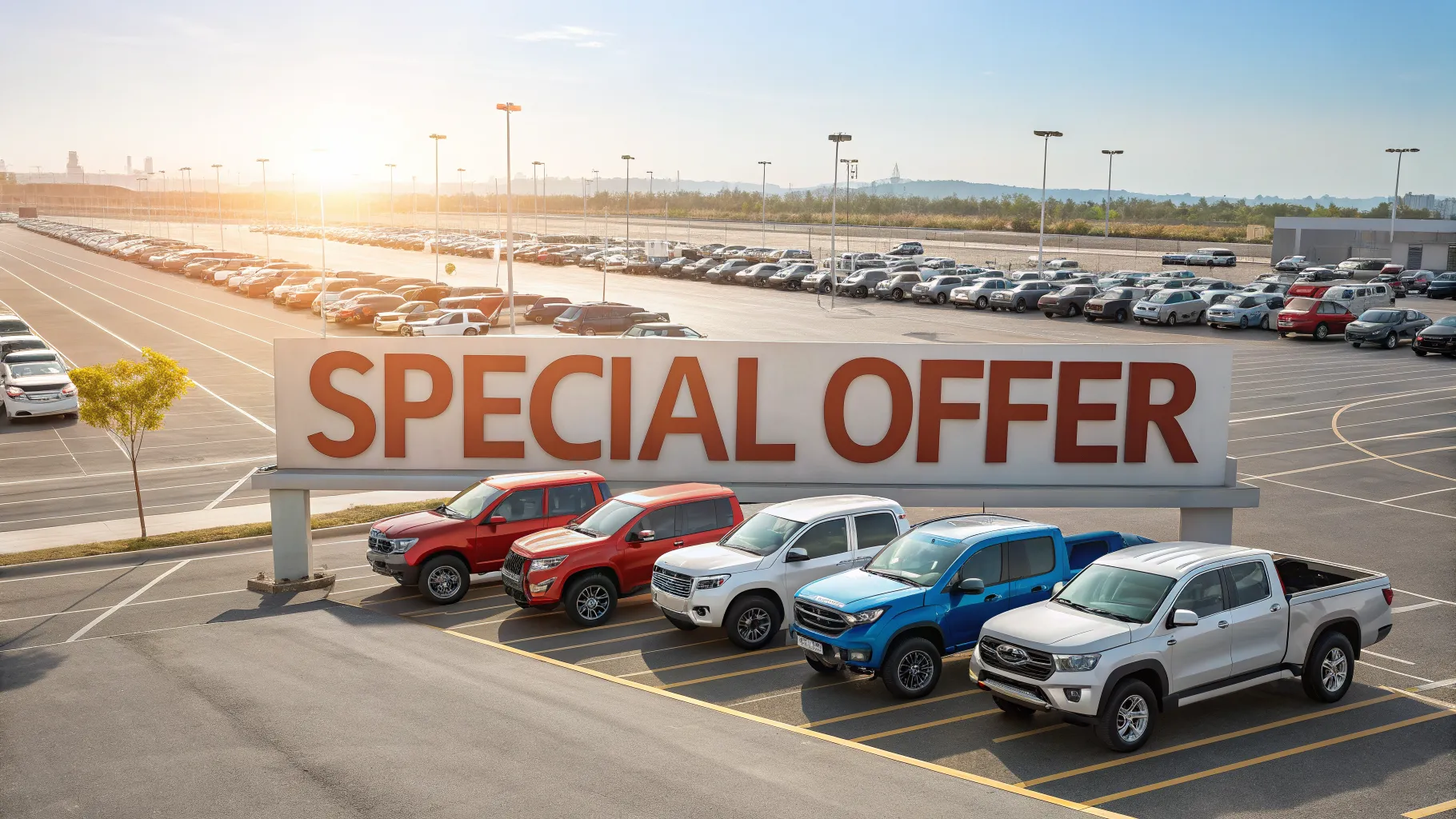
What Exactly Are Unsold Pickup Trucks?
An unsold pickup truck is a new vehicle from a previous model year that has not yet been sold by a dealership. For example, when 2024 models arrive on the lot, any remaining 2023 models are considered unsold or leftover inventory. These are not used vehicles. They have never been registered to an owner, typically have only a few miles on the odometer from being moved around the lot, and come with the full manufacturer's warranty that starts on the day you purchase it.
The main reason these trucks remain unsold is timing and logistics. Dealerships order inventory based on sales projections, but sometimes demand doesn't meet supply for specific configurations. As the new model year approaches, manufacturers offer incentives to clear out the old stock, creating a buyer's market for these brand-new, yet technically dated, vehicles. They are identical to the same models that were sold at full price just months earlier.
Why Do Dealerships Have Unsold Inventory?
The automotive industry operates on a strict annual cycle. Each year, manufacturers release new models with updated features, redesigned styling, or new technology. To make space physically and financially for this incoming inventory, dealerships must sell the previous year's models. This pressure to clear the lot is the primary driver behind the existence of unsold trucks.
Several other factors contribute to leftover stock. A truck might have an unusual color combination, a specific set of options that doesn't appeal to the general public, or a higher-end trim level that is less in demand than more basic work-truck models. Economic downturns or regional shifts in consumer preference can also lead to slower sales, resulting in a larger-than-expected number of unsold vehicles at the end of a model year.
Where Can You Find These Unsold Trucks?
Finding unsold pickup trucks is more straightforward than you might think. They are located at official new car dealerships for brands like Ford, Chevrolet, Ram, Toyota, and others. You will not find them segregated in a special 'leftover' section; they are usually mixed in with the current model-year inventory on the main sales lot. The key is to know what you are looking for.
The most efficient way to locate them is by using online search tools. Visit the official websites of local dealerships and use their inventory search function. You can filter your search for 'new' vehicles and then sort by year or look specifically for the previous model year. Major third-party automotive marketplaces also allow you to filter searches in a similar way, giving you a broad view of the available inventory in your area.
Common Features and Packages to Look For
The inventory of unsold trucks can be a mixed bag, which can work to a buyer's advantage. You may find models with very specific or high-end feature packages that were harder to sell initially. This can be an excellent opportunity to get more features for your money than you might on a current-year model.
Some common packages you might find on unsold trucks include:
- Towing Packages: Many trucks are equipped with advanced towing features like integrated trailer brake controllers, heavy-duty cooling systems, and specialized rear-axle ratios.
- Off-Road Packages: Look for packages that include all-terrain tires, upgraded suspension, skid plates, and electronic locking differentials, which are popular but can sometimes lead to a truck being overlooked.
- Luxury and Tech Trims: It's not uncommon to find high-end trims with features like leather upholstery, panoramic sunroofs, large infotainment screens, and premium sound systems among the unsold inventory.
- Specific Engine Options: You may find trucks with powerful V8 engines or efficient diesel options that were less popular in your local market, offering a chance to get the powertrain you really want.
The Pros and Cons of Buying an Unsold Truck
The most significant advantage of purchasing an unsold pickup is the potential for substantial cost savings. Dealerships are highly motivated to move these vehicles and often offer deep discounts, generous manufacturer rebates, and attractive financing deals to finalize a sale. You are essentially getting a factory-fresh truck, complete with a warranty, for a price that is often much closer to that of a slightly used vehicle.
However, there are downsides to consider. Your choices will be limited to what is currently on the lot. You cannot custom order an unsold truck, so you may have to be flexible on color, trim level, and specific options. Additionally, the truck's technology and features will be from the previous year. If the new model year introduced a major redesign or a must-have piece of tech, the unsold model might feel dated in comparison.
What to Check Before Making a Purchase
Before you commit to buying an unsold truck, it's wise to do some homework. Research the differences between the leftover model year and the current one. If the changes are minimal, the leftover is likely a fantastic deal. If there was a major update to the engine, safety features, or infotainment system, weigh the cost savings against the features you would be missing.
Even though the truck is new, it has been sitting on a dealership lot for an extended period, potentially for over a year. It is important to perform a thorough inspection. Check the battery, look for any flat spots on the tires, and examine the paint and trim for any weather-related wear. Always take it for a comprehensive test drive. Finally, confirm the warranty details and make sure it begins on the date of your purchase, not the date the vehicle arrived at the dealership.