A Beginner's Guide to Taking a Flower Arranging Class
Tapping into your creative side through the art of flower arranging is a rewarding experience that anyone can learn. While it may seem intimidating, floral design classes are created to demystify the process, providing you with the skills and confidence to create stunning bouquets and centerpieces. These workshops offer a wonderful opportunity to learn a new skill, work with beautiful natural materials, and enjoy a relaxing, hands-on activity.
What Is a Flower Arranging Class?
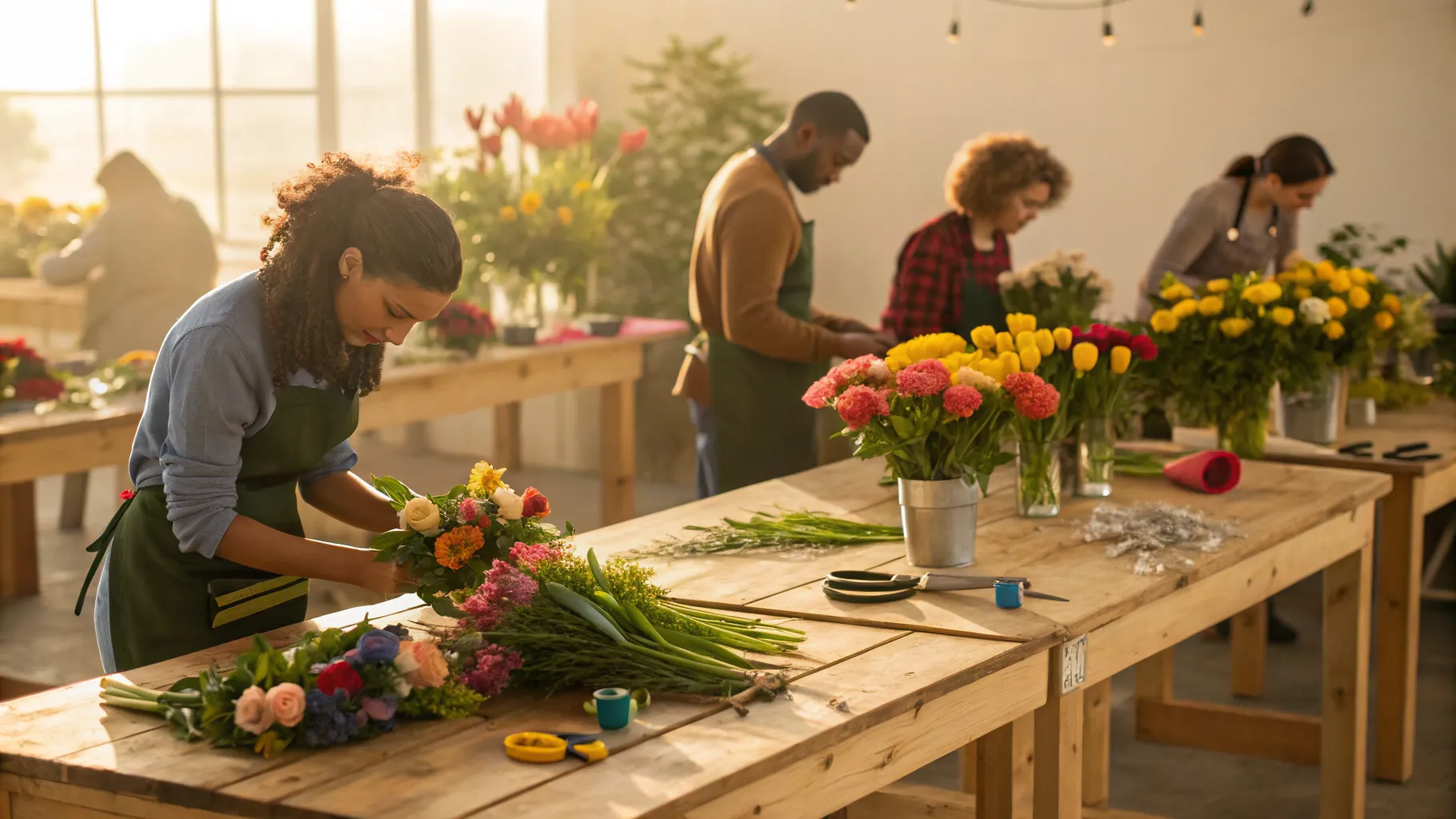
A flower arranging class, also known as a floral design workshop, is an instructional session where participants learn the principles and techniques of creating beautiful arrangements with flowers, foliage, and other natural materials. These classes go far beyond simply placing stems in a vase, delving into the artistic elements that make a bouquet or centerpiece truly stand out. They are designed for all skill levels, from complete beginners with no prior experience to hobbyists looking to refine their techniques.
Instructors, often professional florists, guide students through the fundamentals of design. This includes understanding color theory to create harmonious palettes, balancing different shapes and textures for visual interest, and learning how to build a structurally sound arrangement. The goal is to provide you with the foundational knowledge to confidently create your own stunning floral compositions at home.
Exploring Different Types of Floral Workshops
The world of floral design education is diverse, with a variety of class formats to suit different interests, schedules, and learning styles. Before enrolling, it is helpful to understand the options available to find one that aligns with your goals. Whether you want a fun one-time experience or a more comprehensive education, there is likely a workshop designed for you.
- Single-Day Workshops: These are perfect for beginners or those looking for a fun, creative outing. They typically focus on creating one specific type of arrangement, such as a seasonal centerpiece or a hand-tied bouquet.
- Multi-Session Courses: For those seeking a deeper dive, these courses span several weeks and cover a broader curriculum. You might progress from basic principles to more advanced techniques like wedding floristry.
- Specialized Classes: Many studios offer classes focused on a niche style or technique. Examples include Japanese Ikebana, arrangements with dried or foraged materials, or crafting floral crowns and wreaths.
- Online vs. In-Person: While in-person classes offer hands-on guidance, online courses provide flexibility. Virtual classes may ship a kit of materials to you or provide a list of flowers to purchase beforehand.
Core Skills You Will Learn
A well-structured flower arranging class equips you with both artistic principles and practical, hands-on skills. You will learn the language of floral design, which includes concepts like balance, proportion, rhythm, and harmony. Understanding these elements helps you create arrangements that are visually pleasing and feel complete, rather than just a random collection of flowers.
On the practical side, you will be taught the essential mechanics of floristry. This includes how to properly select fresh, healthy blooms and how to condition them by cutting stems and removing excess foliage to maximize their vase life. You will also learn how to work with different tools and materials, such as floral foam, pin frogs, and wire, to create stable and long-lasting designs.
The Personal Benefits of Floral Design
Beyond the beautiful arrangement you get to take home, participating in a flower workshop offers numerous personal benefits. The process of working with your hands and focusing on a creative task can be incredibly therapeutic and meditative. It provides a welcome escape from daily stressors and allows you to engage your senses through the colors, scents, and textures of the natural materials.
Learning a new skill like floral design can also be a significant confidence booster. It gives you the ability to beautify your own living space, create thoughtful, handmade gifts for friends and family, and appreciate the natural world in a new way. Furthermore, these classes are often social events, offering a great opportunity to meet new people who share a common interest in a relaxed and friendly environment.
How to Find the Right Class for You
Finding a flower arranging class is often easier than you might think. A great place to start is with local florists and flower shops, as many host their own workshops. Botanical gardens, community colleges, and local art centers are also common venues for these types of creative classes. Online searches for 'floral workshops near me' or checking social media platforms can reveal independent designers and studios offering sessions in your area.
When comparing your options, there are a few key factors to consider to ensure you have a positive experience. Look into the instructor's background and style to see if it resonates with you. Consider the class size, as smaller groups often allow for more one-on-one attention. It is also important to clarify what the cost includes, for instance, if all flowers, materials, and the vase are provided. Reading reviews from past students can also provide valuable insight into the quality of the instruction and the overall atmosphere of the class.
What to Expect During Your First Workshop
Attending your first flower arranging class should be an exciting and enjoyable experience, free of pressure. Most workshops are designed for absolute beginners, so there is no need to have any prior knowledge or skill. You can expect a warm welcome from the instructor, who will likely begin with an introduction to the flowers and tools you will be using for the day's project.
The instructor will typically provide a step-by-step demonstration of the arrangement you will be creating. As you work, they will circulate around the room to offer personalized tips, answer questions, and provide assistance as needed. The environment is almost always collaborative and supportive, not competitive. At the end of the session, you will have a beautiful, finished arrangement to take home and enjoy, along with the skills to recreate it in the future.