A Beginner's Guide to Gardening Classes
Gardening can be a rewarding hobby, offering fresh produce, beautiful flowers, and a connection to nature. For newcomers, however, the world of soil types, planting zones, and pest control can seem overwhelming. This is where a beginner's gardening class can provide the foundational knowledge and confidence needed to cultivate a thriving garden.
Why Take a Gardening Class?
Stepping into a structured learning environment offers numerous advantages over trying to piece together information from various online sources. One of the primary benefits is receiving expert guidance from experienced instructors who can answer specific questions and troubleshoot problems in real time. This direct access to knowledge helps beginners avoid common pitfalls that can lead to discouragement, such as overwatering, choosing the wrong plants for their climate, or failing to prepare the soil properly.
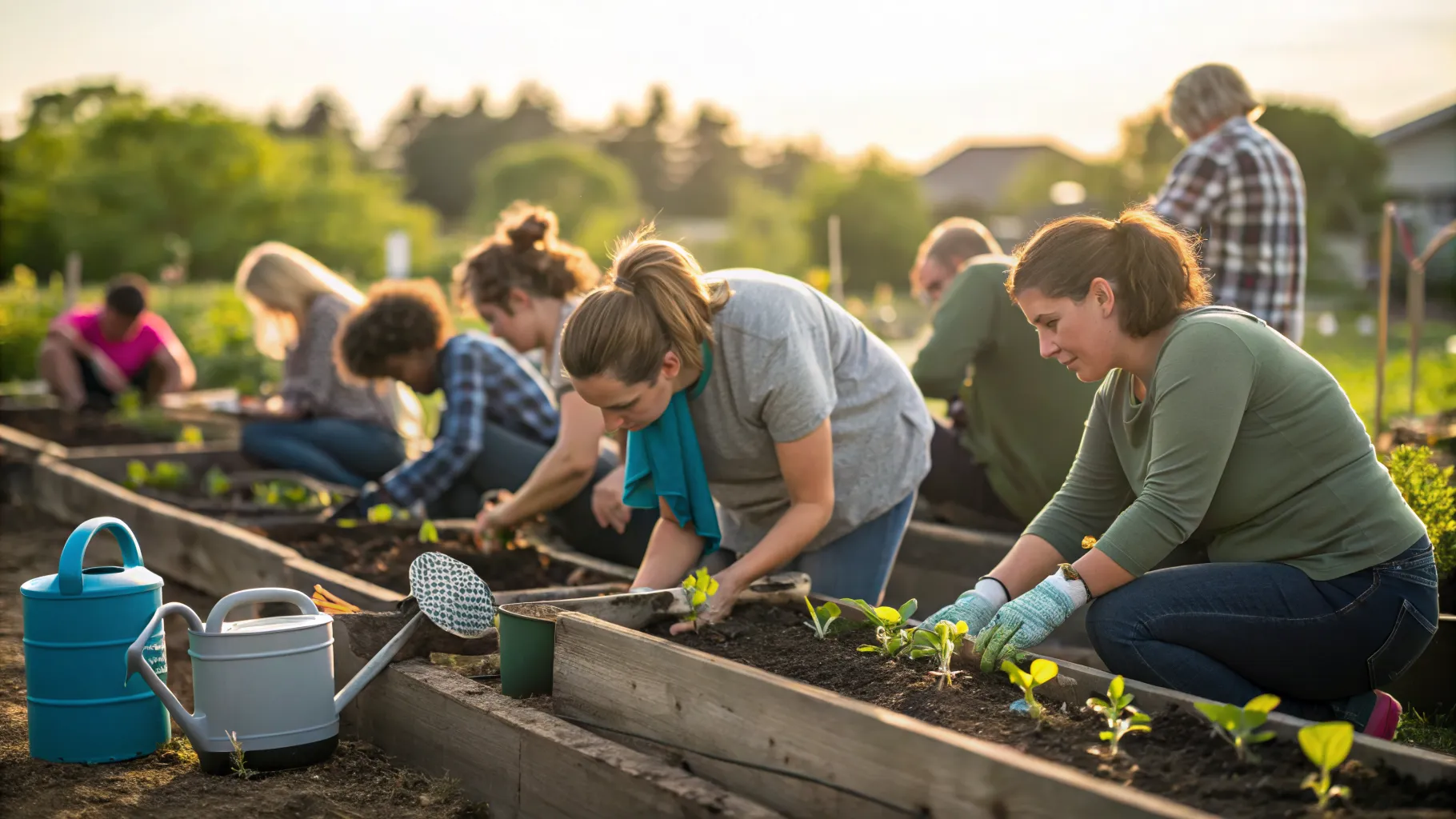
Beyond the technical skills, gardening classes provide valuable hands-on experience. Many courses include practical sessions where you get to work with soil, seeds, and plants under supervision. This tactile learning reinforces theoretical concepts and builds confidence. Furthermore, classes offer a social component, connecting you with fellow gardening enthusiasts who can share tips, encouragement, and even plants, fostering a sense of community around a shared interest.
Types of Gardening Classes Available
Gardening education comes in many formats, catering to different learning styles, schedules, and budgets. It's helpful to understand the main types of classes you are likely to encounter so you can choose the one that best fits your lifestyle and learning preferences.
- In-Person Workshops: Often held at local nurseries, community gardens, or botanical centers, these are typically single-session classes focused on a specific skill, such as container gardening or seed starting.
- Online Courses: These offer maximum flexibility, allowing you to learn at your own pace from anywhere. They can range from comprehensive, multi-module programs to shorter, topic-specific tutorials.
- Community Garden Programs: Some community gardens offer seasonal memberships that include educational components, providing a long-term, hands-on learning experience as you manage your own plot.
- University Extension Programs: Many universities have agricultural or horticultural extension services that offer low-cost, research-based classes and workshops to the public.
What to Expect in a Beginner's Course
A well-rounded beginner's gardening course will cover the fundamental principles needed to start a garden from scratch. The curriculum typically begins with the absolute basics, ensuring you have a solid foundation before moving on to more complex topics. You can expect to learn about soil health, including how to test your soil, amend it with compost, and understand its importance for plant growth.
Other core topics usually include understanding your local climate and planting zone, how to select plants that will thrive in your specific conditions, and the differences between annuals and perennials. Lessons on proper watering techniques, the importance of sunlight, seed starting, transplanting seedlings, and basic pest and disease identification are also standard components of most introductory courses. The goal is to equip you with the essential knowledge to keep your plants healthy throughout the growing season.
Where to Find Local and Online Classes
Finding a gardening class is often easier than you might think, as many organizations offer educational opportunities. For in-person learning, your local community is an excellent place to start. Check with botanical gardens, arboretums, and horticultural societies, as they frequently host workshops and lecture series for the public.
Many local nurseries and garden centers also provide classes to help their customers succeed. Don't forget to look into programs offered by community colleges, local park districts, and university extension offices. For online options, major educational platforms often feature courses from reputable instructors and institutions. You can also find valuable lessons through gardening blogs, YouTube channels, and the websites of national gardening associations.
Choosing the Right Class for You
With so many options, selecting the right class requires a bit of self-reflection on your goals and learning style. Consider what you hope to achieve. Are you interested in growing your own food, creating a beautiful flowerbed, or focusing on native plants to support local wildlife? Finding a class that aligns with your specific interests will make the experience more engaging and useful.
Think about your schedule and budget as well. Online courses offer flexibility, while in-person workshops provide valuable hands-on practice. Read the course descriptions carefully to see what topics are covered and what the teaching format is like. Looking for reviews from past students can also provide insight into the quality of the instruction and whether the course delivers on its promises.
Preparing for Your First Gardening Class
Once you have enrolled in a class, a little preparation can help you get the most out of the experience. Before your first session, spend some time observing your own potential garden space. Take note of how much sun different areas receive throughout the day. If possible, find out what type of soil you have. Having this context will make the lessons more relevant to your situation.
It's also a good idea to come prepared with a list of questions. Think about any past gardening challenges you have faced or specific things you are curious about. Check with the course provider to see if you need to bring any supplies, such as gardening gloves, a trowel, or a notebook. Being prepared allows you to focus on absorbing the new information and enjoying the process of learning to grow.