A Beginner's Guide to Furniture Cabinet Wood Restoration Classes
Breathing new life into a worn-out wooden cabinet or a family heirloom can be an immensely rewarding experience. While it may seem daunting, furniture restoration is a skill that can be learned through dedicated classes and workshops. These courses provide a structured environment to learn the proper techniques, from simple repairs to complete refinishing, under the guidance of experienced instructors.
Understanding Furniture Restoration Classes
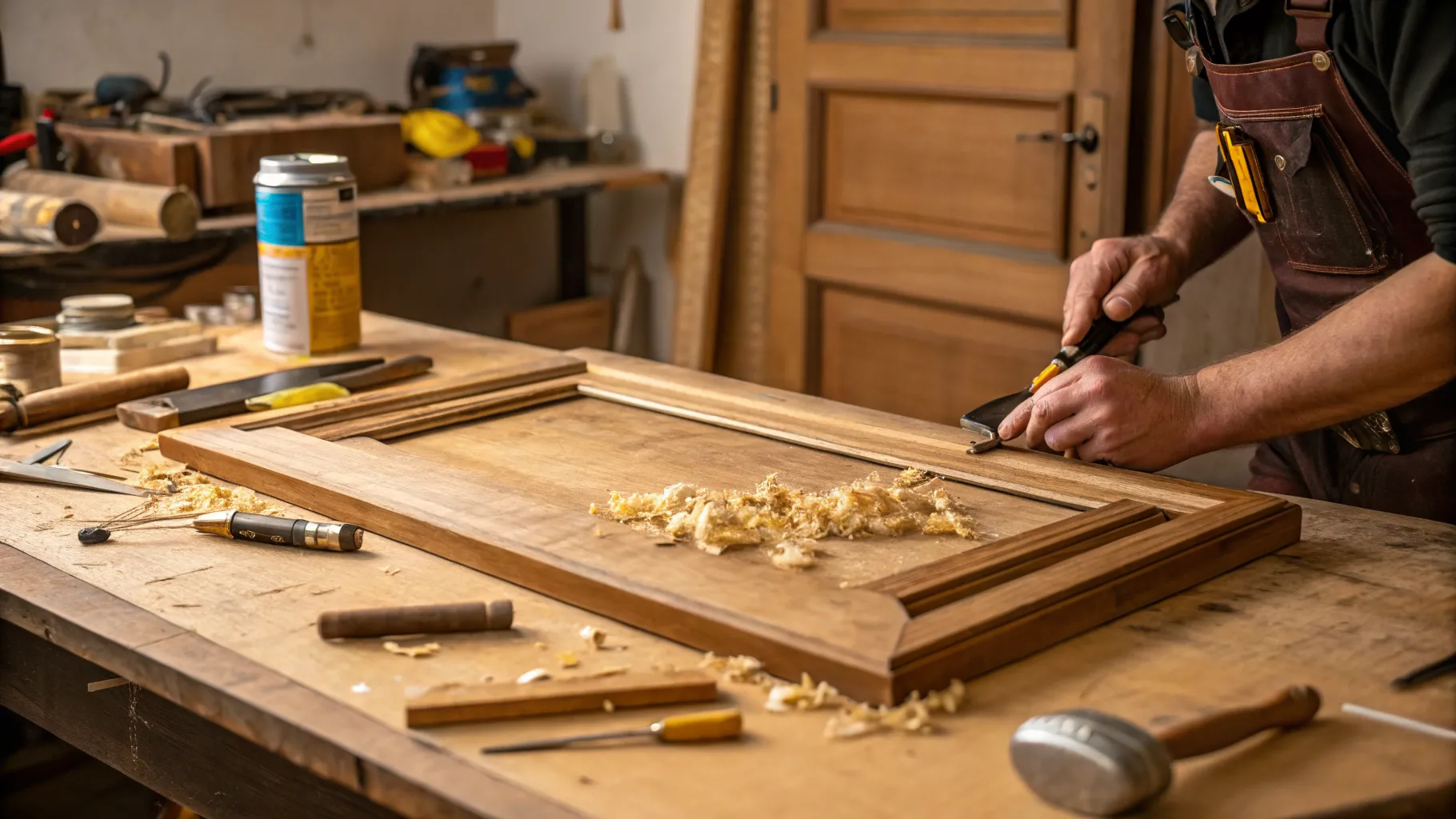
Furniture restoration classes are educational programs designed to teach individuals the art and science of repairing, refinishing, and conserving wooden furniture. These courses break down complex processes into manageable steps, making the craft accessible to everyone, regardless of their initial skill level. The curriculum often covers everything from assessing a piece's condition to applying the final protective coat.
These classes cater to a wide audience. They are perfect for hobbyists looking for a new creative outlet, DIY enthusiasts who want to tackle home projects with confidence, and homeowners interested in preserving valuable antique or heirloom pieces. Some individuals even use these courses as a stepping stone to starting their own small business in furniture repair and refinishing.
Types of Wood Restoration Workshops
The format of furniture restoration workshops can vary significantly, offering flexibility to suit different schedules and learning preferences. You might find intensive weekend workshops that cover the entire restoration process on a small piece from start to finish. Alternatively, many institutions offer multi-week courses that meet once or twice a week, allowing for a more gradual and in-depth learning experience. Online courses also exist, which can be great for theory but may lack the hands-on component of in-person instruction.
Beyond the format, classes often have specializations. Some may focus on a particular style or era, such as mid-century modern or antique Victorian furniture, each of which requires different techniques. Others might concentrate on specific skills like veneer repair, French polishing, or wood carving. It is beneficial to consider what type of furniture you are most interested in working on when choosing a specialized workshop.
Core Skills You Will Learn
A comprehensive furniture restoration class will equip you with a strong foundation of practical skills. The goal is to teach you how to approach any project with a clear plan and the right techniques to achieve a professional-looking result. You will learn not just the 'how' but also the 'why' behind each step.
- Proper wood identification and how to assess damage or existing finishes.
- Safe and effective methods for stripping old paint, varnish, and lacquer.
- Sanding techniques for preparing surfaces without causing damage to the wood grain.
- Stain application, color theory, and how to match existing colors.
- Applying different types of finishes, such as oil, wax, shellac, and polyurethane.
- Basic structural repairs, including how to fix wobbly legs, loose joints, and minor cracks.
Finding the Right Class for Your Needs
Locating a suitable class often begins with looking at local resources. Many community colleges, vocational schools, and adult education centers offer woodworking and restoration programs at reasonable prices. You can also find high-quality instruction at dedicated woodworking schools, private studios run by experienced artisans, and even some maker spaces. Online searches for 'furniture refinishing workshops near me' can yield many local options.
When choosing a class, consider your personal goals. Are you looking to restore a specific family piece or just learn a new hobby? Check the instructor’s experience and read reviews from previous students if possible. Inquire about the class size, as smaller groups often allow for more one-on-one attention. Finally, review the course syllabus to ensure it covers the topics and skills you are most interested in learning.
What to Expect in a Workshop Environment
Most wood restoration workshops are hands-on, practical learning environments. Expect to be in a space equipped with sturdy workbenches, proper ventilation, and a variety of hand and power tools. Safety is always a primary focus, and your instructor will provide thorough guidance on how to use all equipment and materials, including personal protective equipment like gloves, masks, and safety glasses.
The policy on materials and projects varies. Some courses will provide all necessary supplies and small wooden items to practice on. Other classes, particularly project-based ones, may require you to bring your own small piece of furniture, such as a side table or a chair. Always clarify this with the provider beforehand so you can arrive fully prepared to start learning and working.
The Benefits of Learning Wood Restoration
Acquiring wood restoration skills offers numerous advantages that go beyond simply fixing an old cabinet. From a practical standpoint, it empowers you to save money by revitalizing existing furniture instead of buying new items. This practice is also environmentally sustainable, as it keeps old pieces out of landfills and reduces the demand for new manufacturing. It gives you a deeper appreciation for the craftsmanship of older furniture.
On a personal level, the process of restoring wood can be a highly satisfying and almost meditative hobby. It fosters patience, attention to detail, and problem-solving skills. There is an immense sense of pride and accomplishment in transforming a neglected item into a beautiful and functional piece. The finished product serves as a tangible reminder of your skill and dedication.