A Beginner's Guide to Finding the Right ChatGPT Class
As artificial intelligence tools like ChatGPT become more integrated into our daily and professional lives, many people are looking for structured ways to learn how to use them effectively. While anyone can start a conversation with the AI, a dedicated class can unlock its full potential, teaching you the nuances of communication, its capabilities, and its limitations. This guide will help you navigate the options for beginner ChatGPT classes.
What Exactly Is a ChatGPT Class?
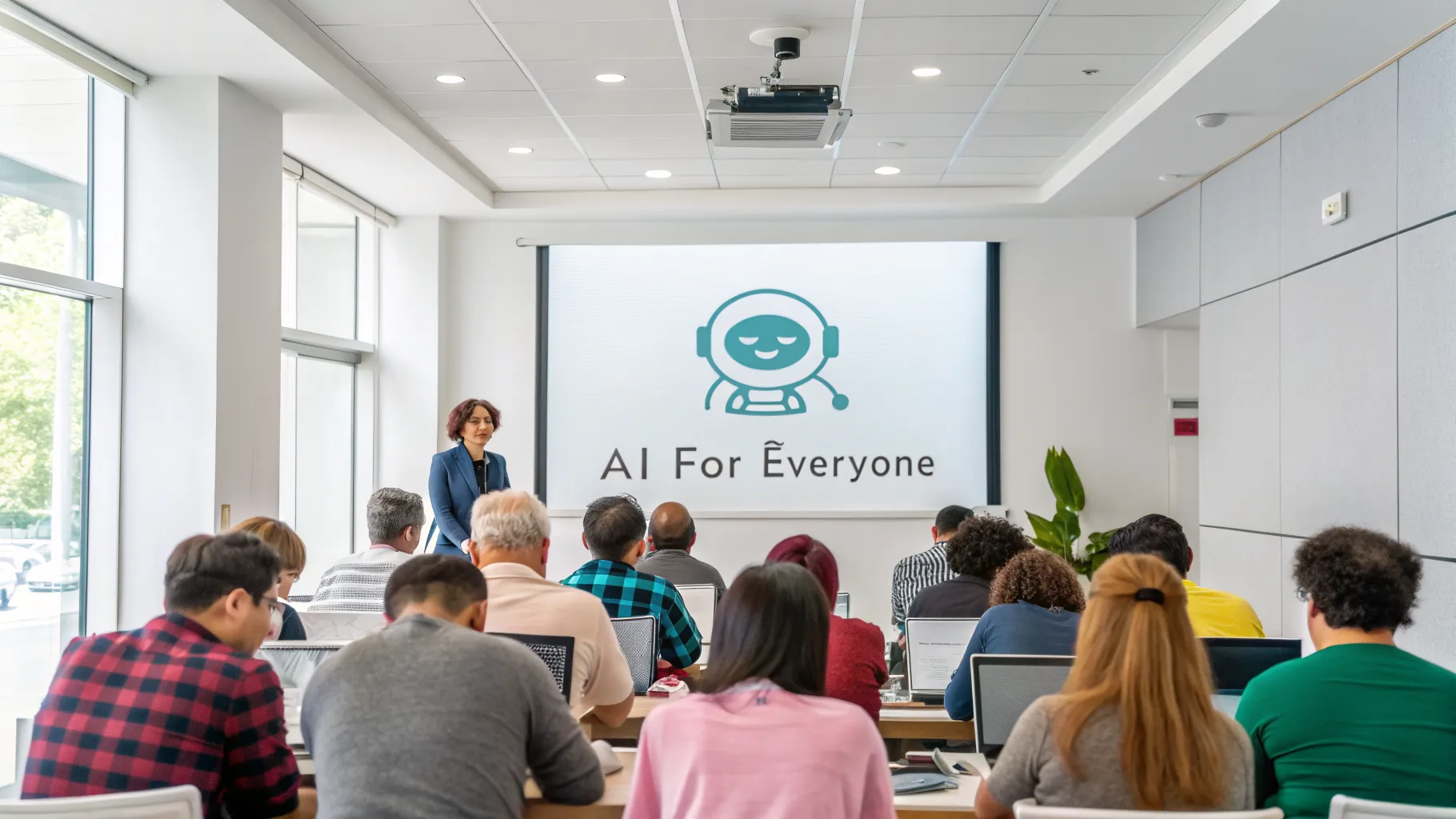
A ChatGPT class is a structured educational program designed to teach individuals how to use the language model efficiently and effectively. Unlike simply experimenting with the tool on your own, these courses provide a guided learning path. They typically move beyond basic interaction to cover more advanced techniques, strategic applications, and the underlying principles of how the technology works in an accessible way.
These classes are designed for a broad audience, from professionals aiming to increase their productivity to students seeking help with research and writing, to curious individuals who simply want to understand a transformative technology. The goal is to provide learners with the confidence and skills to apply ChatGPT to real-world tasks, whether that's drafting professional emails, generating creative content, summarizing complex documents, or even assisting with coding.
Types of ChatGPT Classes Available
When you start looking for a ChatGPT class, you'll find they come in several different formats. The best one for you will depend on your learning style, schedule, and budget. Many courses are available online, offering a great deal of flexibility for learners around the world.
- Self-Paced Online Courses: These are pre-recorded video lessons, readings, and assignments that you can complete on your own schedule. They are great for people who need flexibility.
- Live Virtual Workshops: These are scheduled online classes with a live instructor, allowing for real-time questions and interaction with other students. They offer a more traditional classroom experience from the comfort of your home.
- University or College Programs: Some higher education institutions offer short courses or certificate programs in AI tools as part of their continuing education departments.
- Free Tutorials and Webinars: Many creators and organizations offer free introductory content on platforms like YouTube or through one-off webinars. These can be a great way to learn the basics before committing to a paid course.
Where to Find Beginner ChatGPT Courses
Finding the right course is a matter of knowing where to look. The most common place to start is on major online learning platforms that host thousands of courses on technology and business subjects. A simple search on these sites will yield numerous options for beginners, often with introductory videos and detailed syllabi to review.
Beyond these large platforms, consider looking at professional development organizations related to your industry. Many marketing, writing, and tech associations are now offering workshops on AI tools. Additionally, community colleges and university extension programs are increasingly adding these types of practical tech courses to their catalogs. Don't overlook free resources, as established tech educators often share high-quality introductory videos on public video-sharing websites.
Key Topics Covered in a Beginner's Course
A comprehensive beginner's course should do more than just show you the chat interface. It should equip you with a solid foundation for using the tool thoughtfully. Key among these skills is 'prompt engineering,' which is the art and science of crafting questions and commands that generate the most accurate, relevant, and useful responses from the AI.
You should also expect to learn about common use cases for your personal or professional life. This could include brainstorming ideas, writing and editing text, learning new subjects, and creating summaries. A good course will also cover the ethical considerations and limitations of the technology, teaching you to be a responsible user who can critically evaluate the AI's output for accuracy and bias.
What to Look for in a Quality Course
With so many options, it's important to identify courses that offer real value. Start by examining the instructor's background. Look for someone with demonstrable expertise in technology, education, or a relevant professional field. A clear, well-structured curriculum is also essential; you should be able to see a logical progression from basic concepts to more advanced applications.
Student reviews and ratings are another invaluable resource. Look for recent feedback that speaks to the quality of the content and the instructor's teaching style. Finally, the best courses include hands-on projects or practical exercises that allow you to apply what you've learned. The ability to practice with guidance is crucial for developing true proficiency and confidence in using the tool.
Common Pitfalls to Avoid
As you search for a course, be cautious of a few red flags. Be wary of any program that makes unrealistic promises, such as guaranteed income or job placement just from completing the course. Using an AI tool is a skill, not a guaranteed career path on its own. The field of AI is also evolving at a rapid pace, so check to see when the course material was last updated. Content that is more than six months old may already be partially out of date.
Also, scrutinize the course content to ensure it offers more than a basic demonstration that you could find for free. A quality paid course should provide structured insights, unique examples, and expert guidance. Avoid courses that are simply screen recordings of someone using the tool without in-depth explanation or context. A little research upfront can help you find a valuable learning experience and avoid disappointment.