A Beginner's Guide to DIY Home Improvement Workshops
Taking on a home improvement project can feel daunting, but you don't have to learn through trial and error. DIY home improvement workshops are designed to empower homeowners with the skills and confidence needed to tackle projects big and small. These classes provide a structured, safe environment to learn from experts and gain hands-on experience.
What Are DIY Home Improvement Workshops?
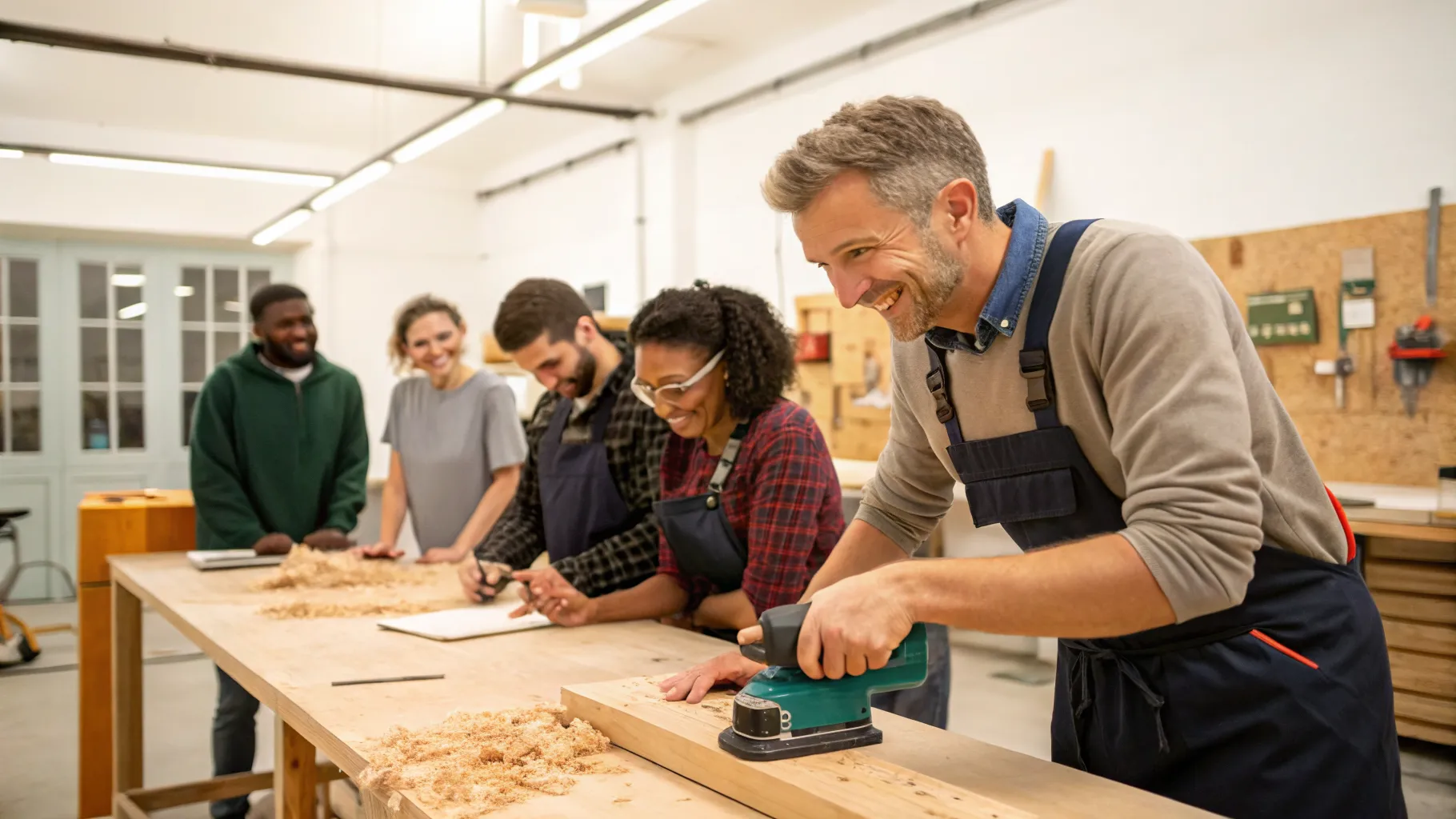
A DIY home improvement workshop is an educational session or class focused on teaching practical skills for home repair, maintenance, and renovation. Led by experienced tradespeople or instructors, these workshops combine theoretical knowledge with hands-on practice. The goal is to demystify common home projects and equip attendees with the ability to perform tasks safely and effectively themselves.
These classes can range from a single-hour demonstration to a multi-day course, depending on the complexity of the subject. Participants typically work with the same tools and materials they would use for a real project at home, but in a controlled environment where mistakes are part of the learning process. Whether you want to learn how to fix a leaky faucet or build a bookshelf, there is likely a workshop designed to teach you how.
The Benefits of Attending a Workshop
The most immediate benefit of attending a workshop is skill acquisition. You learn the proper techniques from a professional, which can save you significant money on labor costs for future projects. Instead of hiring someone for a simple repair, you gain the ability to handle it yourself. This not only helps your budget but also provides a deep sense of accomplishment and self-reliance.
Beyond the practical skills, these workshops build confidence. Many people avoid DIY projects for fear of making costly mistakes. A guided learning experience removes that fear and shows you what you're capable of. It's also an excellent way to learn about safety protocols, proper tool usage, and project planning, reducing the risk of injury or damage to your home. Additionally, they offer a chance to connect with a community of like-minded individuals who share your interests.
Types of Workshops Commonly Available
The variety of workshops available is vast, catering to nearly every aspect of homeownership. While some focus on broad introductory skills, others are highly specialized for specific projects. This allows you to pick and choose based on your immediate needs or long-term home improvement goals.
- Basic Carpentry: Learn how to measure, cut, and join wood to build simple furniture, shelves, or frames.
- Introductory Plumbing: Covers common issues like fixing leaky faucets, clearing drains, and replacing small fixtures.
- Tiling Essentials: Teaches you how to prepare surfaces, lay tile, and apply grout for backsplashes or floors.
- Drywall Repair: Focuses on patching holes and cracks in walls for a seamless, professional finish.
- Basic Electrical: Safely learn how to replace light fixtures, switches, and outlets.
- Painting Techniques: Goes beyond basic rolling to include proper prep work, cutting in, and creating decorative finishes.
Where to Find Local and Online Workshops
Finding a workshop is easier than ever, with options available both in-person and online. Many large home improvement retail chains offer free or low-cost introductory workshops on weekends. These are great for getting a taste of a specific skill. Local community colleges and vocational schools often have more in-depth courses as part of their adult education programs.
For more specialized skills, look for local makerspaces or woodworking guilds. These organizations are hubs for creativity and learning. In the digital realm, numerous platforms host online DIY workshops. These can be pre-recorded video courses you take at your own pace or live, interactive classes via video conference. While online options offer great flexibility, in-person workshops provide the benefit of immediate feedback and hands-on guidance from an instructor.
What to Expect During Your First Workshop
If you're new to DIY workshops, it's normal to feel a bit nervous, but they are designed to be welcoming to beginners. A typical session begins with a safety briefing and an introduction to the tools and materials you'll be using. The instructor will explain the theory behind the task and then provide a step-by-step demonstration.
After the demonstration, it's your turn for hands-on practice. The instructor will move around the room, offering individual guidance, answering questions, and helping you correct your technique. All necessary tools and materials are usually provided, so you don't need to bring your own. The atmosphere is typically relaxed and collaborative, with a focus on learning rather than perfection.
Choosing the Right Workshop for You
With so many options, it's important to select a workshop that aligns with your goals and skill level. Start by identifying a specific project you want to accomplish at home. If you want to build a garden bed, a basic carpentry class is a perfect fit. Be honest about your current abilities and look for classes labeled as 'beginner' or 'introductory' if you're just starting out.
Consider the practical details as well. Look at the duration, cost, and class size. Smaller classes often mean more one-on-one attention from the instructor. Read reviews or testimonials if they are available to get a sense of the teaching style and the experience of past participants. A little research upfront can help ensure you sign up for a class that will be both enjoyable and valuable for your DIY journey.