7 Gut Friendly Foods to Stop Flare Ups: A Comprehensive Guide
Facts:
- Gut health directly impacts your immune system and mood.
- Identifying trigger foods is key for a successful flare up diet gut health strategy.
Calming Your System: The Core Principles of an Anti-Flare Up Diet
Experiencing a digestive flare-up can be debilitating, turning simple daily activities into significant challenges. The key to regaining control often lies within your diet. By focusing on specific nutrients and easily digestible options, you can actively soothe inflammation and support your digestive tract's healing process. This guide is dedicated to outlining the essential gut friendly foods flare ups can be managed with, providing a clear roadmap to better digestive wellness. Understanding which gut flare up foods to choose is the first step in building a resilient gut and preventing future discomfort, forming the foundation of your long-term health strategy.
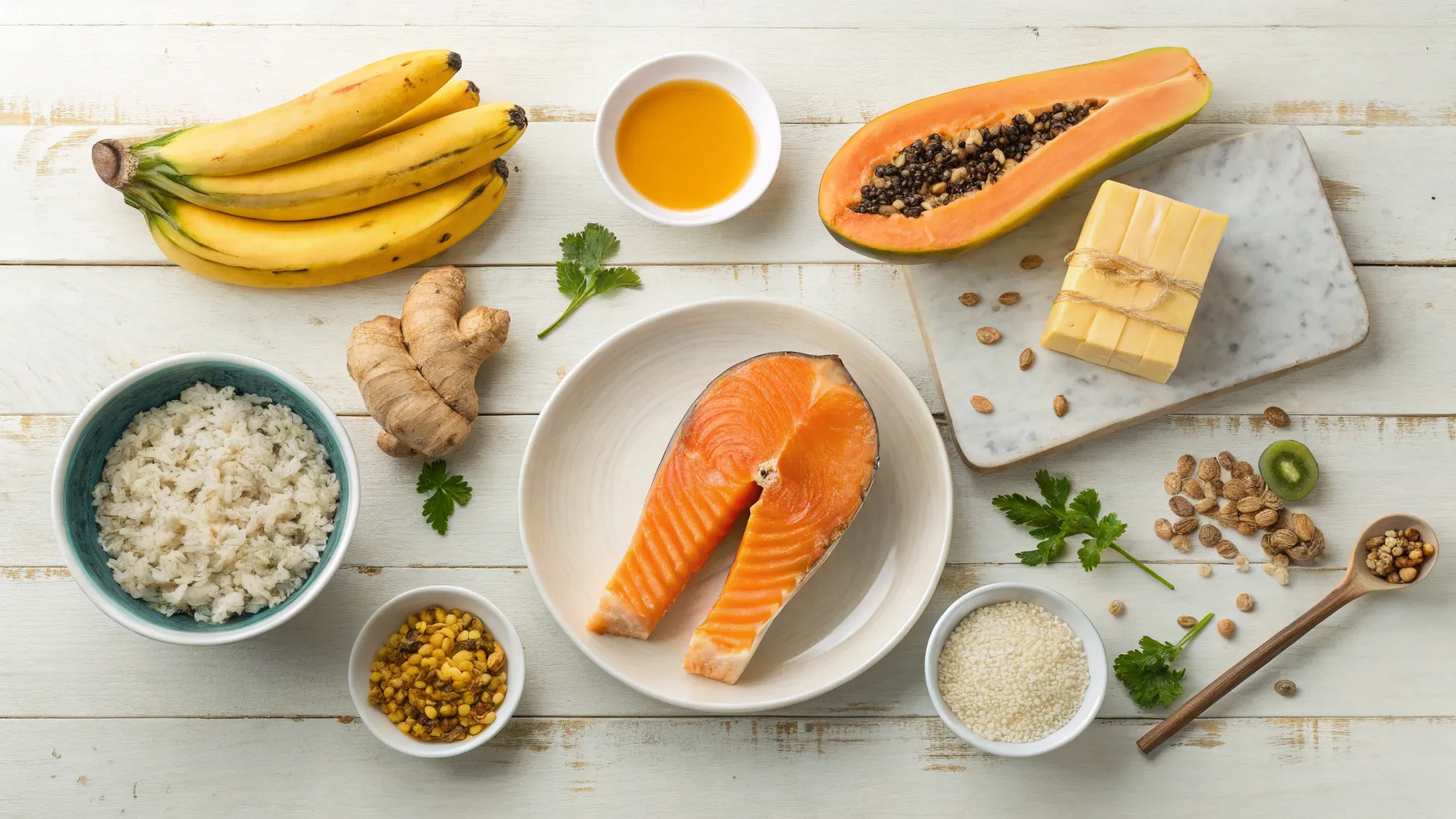
The Top 7 Foods to Stop Gut Flare Ups
When your gut is sensitive, what you eat matters more than ever. The goal is to nourish your body without causing additional irritation. The following list details some of the most effective gut flare up foods to incorporate into your diet for relief. These options were selected for their soothing properties, easy digestibility, and nutrient profiles that support gut repair. Integrating these into your meals can make a substantial difference in managing symptoms and promoting a healthier digestive environment.
1. Ginger
Ginger is a powerhouse root renowned for its potent anti-inflammatory and anti-nausea properties. It contains compounds called gingerols, which help relax the intestinal tract and calm an irritated stomach. For those dealing with a flare-up, ginger can reduce bloating, gas, and cramping. You can easily add it to your diet by steeping fresh slices in hot water for a soothing tea, grating it into smoothies, or adding it to soups. It is a cornerstone of any list of 7 foods to stop gut flare ups due to its immediate calming effect.
2. Bananas
Bananas are an excellent choice during a digestive episode because they are bland and easy to digest. They are a great source of pectin, a soluble fiber that helps normalize bowel function, and are rich in potassium, an electrolyte often depleted during bouts of diarrhea. Unripe, greener bananas also contain prebiotic fiber, which feeds beneficial gut bacteria. Their soft texture makes them one of the go-to digestive flare up foods for gentle nourishment.
3. Bone Broth
Sipping on warm bone broth can be incredibly restorative for an inflamed gut. It's rich in collagen, gelatin, and amino acids like glycine and proline, which are essential for repairing the intestinal lining and reducing inflammation. Bone broth is very easy to digest, allowing your system to absorb its nutrients without working hard. This makes it a crucial component of a flare up diet gut health plan, providing hydration and vital nutrients simultaneously.
4. Cooked Vegetables (Low-FODMAP)
While raw vegetables can be difficult to digest during a flare-up, well-cooked, low-FODMAP vegetables are much gentler. Options like carrots, zucchini, spinach, and green beans become easier for the gut to break down once cooked. Steaming or boiling is preferable to frying. These vegetables provide essential vitamins and minerals without the high fiber content that can sometimes exacerbate symptoms. They are an essential part of managing gut friendly foods flare ups with a balanced intake of nutrients.
5. Salmon
Rich in omega-3 fatty acids, salmon is a fantastic anti-inflammatory protein source. These healthy fats can help reduce systemic inflammation, including in the gut. Opt for baked or steamed salmon over fried preparations to keep it easy on your digestive system. Including lean, healthy proteins like salmon ensures your body has the building blocks it needs for tissue repair without overburdening your gut, making it a star among gut flare up foods.
6. Plain Yogurt or Kefir
Probiotic-rich foods like plain, unsweetened yogurt or kefir can help restore the balance of good bacteria in your gut. These beneficial microbes are crucial for healthy digestion and a strong immune system. When choosing a yogurt, ensure it contains live and active cultures and is free from added sugars or artificial sweeteners, which can worsen symptoms. Reintroducing these probiotics is a key strategy for long-term flare up diet gut health.
7. Papaya
Papaya contains a natural digestive enzyme called papain, which aids in the breakdown of proteins, making them easier to digest. This can alleviate symptoms like bloating and indigestion. Papaya is also rich in vitamins A and C and has anti-inflammatory properties. It's a soft, gentle fruit that can be a sweet and soothing addition to your diet. For anyone seeking a comprehensive list of 7 foods to stop gut flare ups, papaya offers unique enzymatic support.
Building a Resilient Flare-Up Diet Plan
Consistency is key when it comes to managing gut health. Beyond just incorporating these foods, it's important to pay attention to your body's unique triggers. Consider keeping a food diary to track your meals and symptoms. This can help you identify specific foods that cause you trouble. Your personalized flare up diet gut health plan should also include proper hydration, stress management techniques, and mindful eating habits, such as chewing your food thoroughly. By taking a holistic approach, you can create a sustainable lifestyle that supports a calm and happy gut, minimizing the frequency and severity of flare-ups.
Frequently Asked Questions
What are the worst foods for a gut flare-up?
During a flare-up, it's generally best to avoid spicy foods, fried or greasy items, caffeine, alcohol, artificial sweeteners, and high-FODMAP foods like onions, garlic, and beans. These are common irritants that can worsen inflammation and discomfort. Pay close attention to your personal triggers, as sensitivities can vary greatly.
How quickly can these gut friendly foods flare ups be helped?
While some people may feel relief within a day or two of adopting a soothing diet, for others it may take longer. The speed of recovery depends on the severity of the flare-up and your individual digestive system. Consistency is the most important factor for seeing positive results with digestive flare up foods.
Is fiber good or bad during a flare-up?
It's complicated. Soluble fiber, found in foods like bananas and oatmeal, can be beneficial as it helps firm up stool and can be soothing. Insoluble fiber, found in raw vegetables and whole grains, can be irritating during a flare-up. It's often best to focus on soluble fiber and well-cooked, low-fiber vegetables until symptoms subside.
References
- Journal of Clinical Gastroenterology: The Role of Diet in Managing Digestive Disorders
- Nutrients MDPI: Omega-3 Fatty Acids and their Anti-inflammatory Effects
- International Journal of Molecular Sciences: Ginger on Human Health: A Comprehensive Systematic Review
- The Gut Health Institute: Probiotics and Their Impact on Intestinal Inflammation