5 Smart Strategies for Budget Renovation: Unlock Home Improvement Savings
Facts:
- Many homeowners seek value in home transformations.
- The demand for sustainable and affordable solutions in budget renovation is rising for homeowners.
Unlocking Value: Mastering Budget Renovation for Your Home
Embarking on a home transformation doesn't have to drain your finances. With strategic planning and smart choices, a stunning budget renovation is well within reach. This guide explores five intelligent approaches to achieving your dream home without overspending, focusing on maximizing value through careful planning and clever execution. Discover how to implement cost-effective upgrades that deliver significant impact, ensuring your investment yields both aesthetic appeal and tangible home improvement savings.
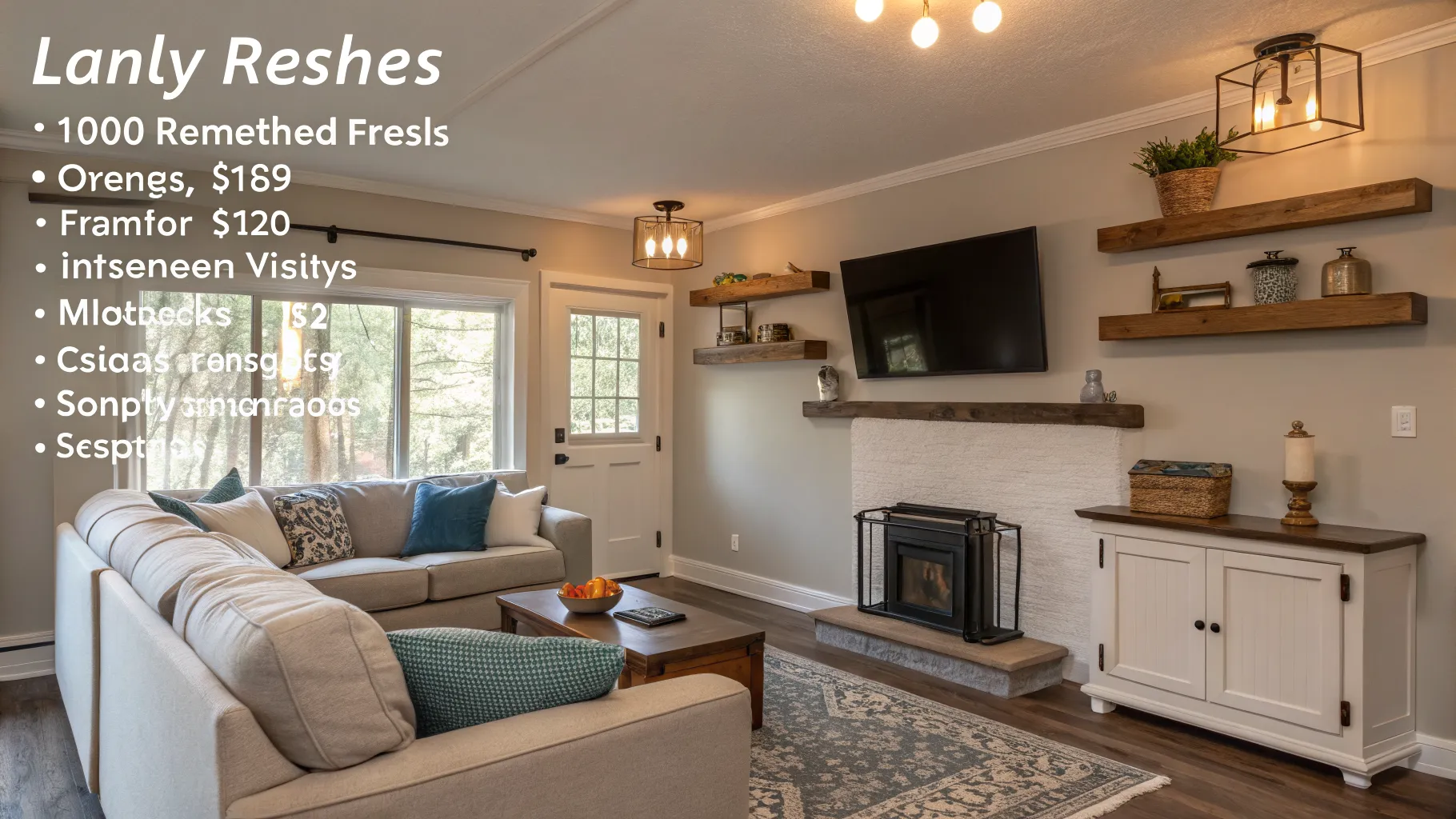
Implementing Your Five Smart Strategies for a Frugal Transformation
Navigating the complexities of home refurbishment while adhering to a strict financial plan requires foresight and informed decision-making. These five strategies are designed to guide you through the process, ensuring that every dollar spent contributes effectively to your desired outcome. From meticulous planning to embracing resourceful solutions, each approach is a cornerstone for successful renovation on a budget, proving that style and functionality don't necessitate exorbitant costs. Let's delve into how you can make your dream home a reality through intelligent execution and significant home improvement savings.
1. Prioritize and Plan Meticulously
The first and arguably most crucial step in any successful budget renovation is detailed prioritization and meticulous planning. Before lifting a single tool, clearly define your goals. What areas need the most attention? Which elements will provide the biggest impact for your investment? Distinguish between "needs" and "wants." Focus on structural improvements, essential repairs, and high-impact aesthetic changes that offer the best return on investment. For instance, updating a dated kitchen or bathroom often adds more value than simply redecorating a spare room. Create a comprehensive project list, research material costs thoroughly, and obtain multiple quotes for labor if you're not tackling DIY projects entirely. An exhaustive plan acts as your roadmap, preventing costly detours and unexpected expenses that can derail your entire renovation on a budget. Consider unexpected contingencies; a well-managed contingency fund is vital for maintaining your financial control during the renovation process and achieving desired home improvement savings.
2. Embrace Smart DIY Projects
Empowering yourself with the ability to undertake certain aspects of your renovation can lead to substantial home improvement savings. Many tasks, such as painting, installing new light fixtures, replacing cabinet hardware, or even simple landscaping, are perfectly suited for DIY projects. Before diving in, honestly assess your skills and comfort level. Attempting complex tasks without proper knowledge or tools can lead to mistakes that are more expensive to fix than hiring a professional. However, for manageable projects, thorough research through online tutorials, workshops, and guides can equip you with the necessary expertise. The satisfaction of contributing sweat equity to your budget renovation is immense, and the financial benefits are undeniable. By strategically choosing which tasks to DIY, you can significantly reduce labor costs and allocate more of your budget to areas where professional help is truly indispensable, making your cost-effective upgrades truly achievable.
3. Source Materials Wisely and Creatively
One of the biggest expenditures in any renovation is materials. To execute a successful budget renovation, smart material sourcing is paramount. Explore alternatives to brand-new, high-end products. Look for sales, discounts, and clearance items at local hardware stores or online retailers. Consider reclaimed materials, architectural salvage yards, or even online marketplaces for gently used items like doors, windows, or fixtures. These not only offer significant cost-effective upgrades but can also add unique character to your home. For elements like countertops or flooring, investigate durable and attractive budget-friendly options such as laminate, vinyl plank, or tile instead of premium marble or hardwood. Don't underestimate the power of paint; a fresh coat can dramatically transform a space for a relatively low cost. Strategic material selection is key to achieving a high-end look without the high-end price tag, proving that a thoughtful renovation on a budget doesn't mean sacrificing style.
4. Refresh Existing Elements Instead of Replacing
Often, items that appear beyond repair only need a clever refresh. This strategy is central to achieving significant home improvement savings. Instead of replacing entire kitchen cabinets, consider repainting or refacing them, or simply updating the hardware. Old floorboards might benefit from sanding and refinishing rather than complete replacement. Dated bathroom tiles can often be painted with specialized tile paint for a fraction of the cost of re-tiling. Even furniture can be repurposed or refurbished to fit a new aesthetic. This approach not only saves money but is also more environmentally friendly. By identifying elements that can be revitalized rather than discarded, you preserve the inherent character of your home while staying firmly within your budget renovation goals. Embracing these creative solutions is a hallmark of truly smart and cost-effective upgrades.
5. Phased Renovation and Professional Consultation
Breaking down a large-scale renovation on a budget into smaller, manageable phases can alleviate financial strain and provide greater control over spending. Tackle the most critical areas first, and then move onto less urgent projects as funds become available. This allows you to spread out costs over time and make adjustments if your budget or priorities shift. Furthermore, even for DIY projects, consulting with professionals for specific aspects can save money in the long run. A brief consultation with an electrician or plumber before you start work can prevent costly mistakes. Similarly, an interior designer can offer valuable advice on layout, color schemes, and material choices that align with your budget renovation without requiring their full-time involvement. Strategic professional input can ensure your cost-effective upgrades are executed correctly and safely, enhancing both the value and longevity of your home.
Maximizing Impact Through Thoughtful Material Choices and Design
When embarking on a budget renovation, the interplay between material selection and design choices is crucial for achieving a high-impact outcome without overspending. Consider how different materials can be combined to create an illusion of luxury. For instance, pairing a less expensive countertop with high-quality hardware and a designer-look backsplash can elevate the entire kitchen's aesthetic. Similarly, choosing versatile, neutral paint colors allows you to introduce pops of color and personality through easily changeable accessories, which is a fantastic strategy for renovation on a budget. Focus on creating continuity and flow between spaces to make your home feel larger and more cohesive. Small details, such as updated light fixtures or new window treatments, can dramatically alter a room's ambiance and are prime examples of cost-effective upgrades. Remember that a well-designed space doesn't necessarily mean expensive materials; it means thoughtful consideration of how elements interact to create a desired atmosphere. By prioritizing smart design principles, you can achieve sophisticated results and significant home improvement savings.
Practical Steps for Achieving Your Dream Renovation on a Budget
- Create a Detailed Budget: Allocate funds for every single item and labor cost. Add a 10-15% contingency for unforeseen expenses. This rigorous approach is fundamental for any successful budget renovation.
- Get Multiple Quotes: For any work you outsource, obtain at least three different quotes to ensure competitive pricing and compare service offerings. Don't just look at the price; consider reputation and experience for reliable cost-effective upgrades.
- Declutter Before You Start: Clear out the space to get a true sense of what you have and what you need. This can reveal hidden potential and prevent unnecessary purchases, contributing to greater home improvement savings.
- Utilize Free Online Resources: Leverage platforms like YouTube for DIY tutorials, Pinterest for inspiration, and online forums for advice. These resources are invaluable for supporting your DIY projects and learning new skills.
- Consider Borrowing or Renting Tools: For tasks that require specialized equipment you won't use frequently, renting or borrowing tools from friends or local rental centers can be far more economical than buying them outright, further aiding your renovation on a budget.
Frequently Asked Questions
What are the most effective ways to save money during a budget renovation?
The most effective ways involve meticulous planning, prioritizing needs over wants, undertaking strategic DIY projects, sourcing materials creatively (e.g., reclaimed or clearance items), and refreshing existing elements instead of outright replacing them. Focusing on these areas can yield significant home improvement savings.
Can I really achieve a high-end look with cost-effective upgrades?
Absolutely. Achieving a high-end look on a budget is largely about smart choices. This includes using paint to transform spaces, updating hardware, choosing attractive yet affordable materials like laminate or vinyl, and focusing on good lighting and decluttering. Strategic design choices combined with resourceful material sourcing are key to a successful renovation on a budget.
What kind of DIY projects are safest and most impactful for beginners?
Beginners can safely and effectively tackle projects like painting walls, updating cabinet hardware, installing new light fixtures (if comfortable with basic electrical safety), regrouting tiles, and simple landscaping. Always research thoroughly and understand your limitations to avoid costly errors during your budget renovation.
References
- Smith, J. (2023). The Frugal Homeowner's Guide to Renovations.
- Doe, A. (2022). Maximizing Value: A Handbook for Smart Home Upgrades.
- Consumer Reports. (2024). Annual Report on Home Improvement Costs and ROI.