Flowers that Bloom All Summer and Come Back Every Year: A Guide
Facts:
- Perennial plants live for more than two years.
- Low-maintenance gardening is a major trend for home gardeners.
Creating a Garden That Endures: Your Guide to Summer-Long Color
Designing a garden that provides a continuous explosion of color from spring until fall can seem daunting, but the secret lies in choosing the right plants. The key is to focus on flowers that bloom all summer and come back every year. These workhorse plants, known as perennials, establish strong root systems and return with vigor each season, saving you time, money, and effort. Unlike annuals that complete their life cycle in a single year, these resilient beauties offer a sustainable and ever-evolving landscape. By selecting a variety of long blooming perennials, you can ensure your garden remains a vibrant oasis throughout the warmest months, becoming a reliable source of beauty year after year.
Top Picks for Long Blooming Perennials
When selecting plants for your garden, a few stand out for their exceptional bloom time and reliability. These perennial flowers that bloom all summer are celebrated by gardeners for their ability to produce flowers for months on end, often with minimal care. Here are some of the best choices for a garden that keeps on giving.
Coneflower (Echinacea)
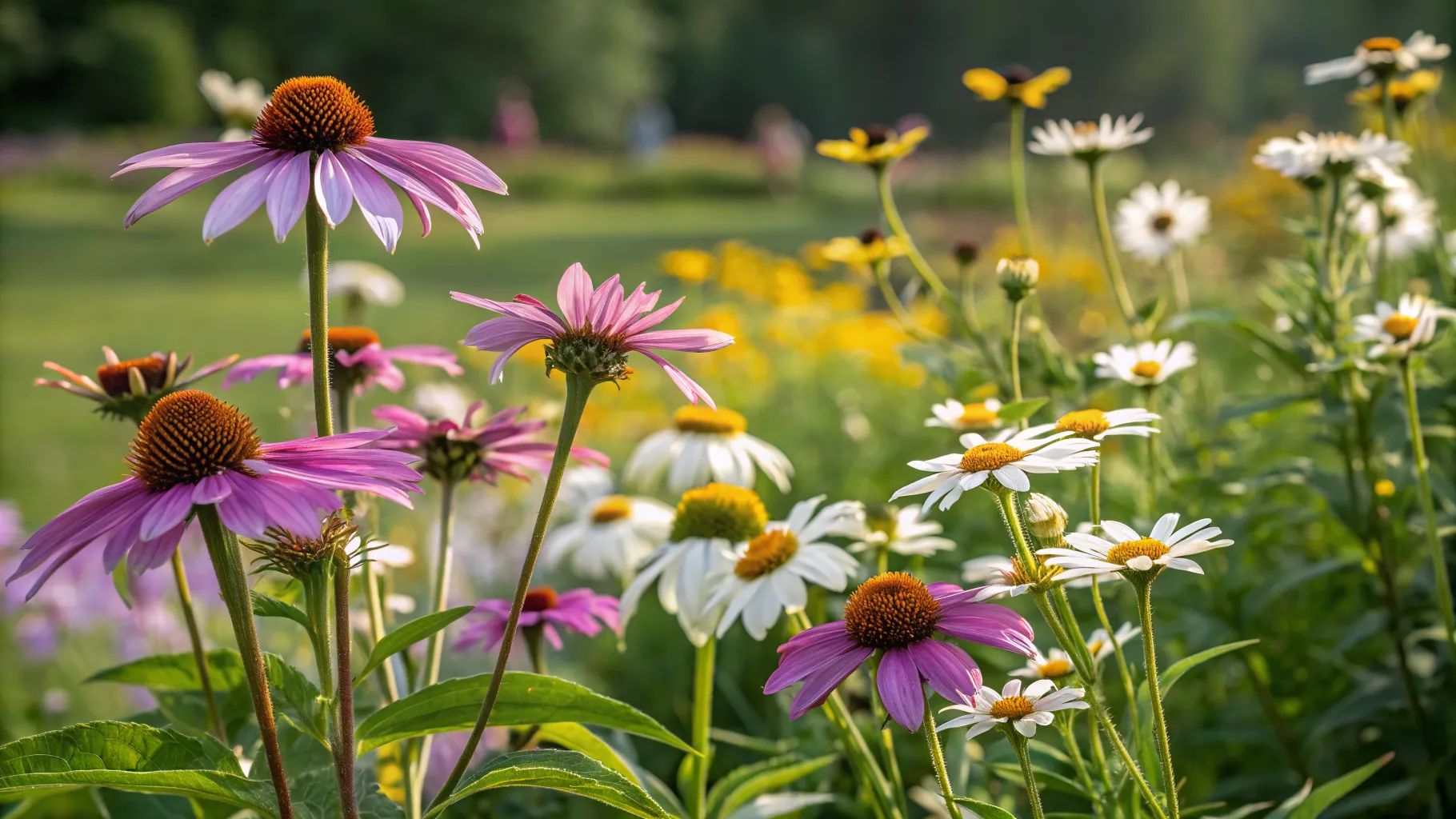
Coneflowers are a quintessential choice for any sun-loving garden. Known for their daisy-like petals that surround a prominent central cone, they are not only beautiful but also incredibly tough. They are drought-tolerant once established and attract a wide range of pollinators, including bees and butterflies. Varieties come in shades of purple, pink, white, yellow, and orange, blooming from early summer right through to the first frost. They are excellent examples of returning garden flowers that provide structure and color.
Black-Eyed Susan (Rudbeckia)
With their cheerful golden-yellow petals and dark brown centers, Black-Eyed Susans are a beacon of summer. These prolific bloomers require very little maintenance and thrive in full sun. They are fantastic perennial garden plants for creating a meadow-like feel and are perfect for mass plantings. Their long-lasting flowers are also excellent for cutting and bringing indoors. Most varieties will bloom from mid-summer until fall, providing a reliable source of bright color.
Daylily (Hemerocallis)
While an individual daylily flower lasts only for a day, a mature plant produces a succession of blooms for several weeks or even months. Modern reblooming varieties are specifically bred to be long blooming perennials, offering waves of color throughout the summer. They come in nearly every color imaginable and are adaptable to various soil conditions, making them one of the easiest perennial garden plants to grow.
Shasta Daisy (Leucanthemum × superbum)
For a classic, clean look, the Shasta Daisy is unmatched. Its crisp white petals and sunny yellow center brighten up any garden space. These plants produce a profusion of flowers from early summer to early fall, especially if deadheaded regularly. They are reliable returning garden flowers that look stunning in borders and cottage-style gardens.
Salvia (Salvia nemorosa)
The spiky, vibrant flowers of perennial Salvia are a magnet for hummingbirds and bees. Typically found in shades of deep purple, blue, and pink, these plants are known for their incredibly long bloom period. After the first flush of flowers in late spring, a quick shearing will encourage a second, and sometimes even a third, wave of blooms that continues into the fall. This makes them one of the most dependable perennial flowers that bloom all summer.
Designing for Continuous Color with Perennial Garden Plants
Creating a garden with non-stop blooms involves more than just picking the right plants; it requires a bit of strategy. The goal is to layer different types of long blooming perennials so that as one variety begins to fade, another is just starting its show. Consider bloom times, plant height, and color combinations. Place taller plants at the back of the border and shorter ones in the front to create depth. Mix textures and shapes—the spiky flowers of Salvia contrast beautifully with the rounded forms of Coneflowers. By planning your layout, you ensure your collection of flowers that bloom all summer and come back every year works together to create a cohesive and dynamic display from June to September.
Essential Care for Thriving Returning Garden Flowers
To ensure your perennials perform their best year after year, some basic care is essential. Following these tips will help your returning garden flowers establish strong roots and produce abundant blooms.
- Proper Watering: While many perennials are drought-tolerant once established, they need consistent water during their first year. Water deeply but infrequently to encourage deep root growth.
- Sunlight and Soil: Most perennial flowers that bloom all summer require at least six hours of direct sunlight per day. Ensure your soil is well-draining; amending with compost can improve soil structure and fertility.
- Deadheading: Regularly removing spent flowers (a process called deadheading) redirects the plant's energy from seed production to creating more blooms, extending the flowering season significantly.
- Fertilizing: A light application of a balanced, slow-release fertilizer in the spring is usually sufficient. Avoid over-fertilizing, which can promote leafy growth at the expense of flowers.
- Division: Every few years, dividing overgrown clumps of perennial garden plants like Daylilies or Hostas can reinvigorate them and control their spread, giving you more plants for other areas of your garden.
Comparing Perennials vs. Annuals for Summer-Long Blooms
When planning a garden, a common question is whether to choose perennials or annuals. Annuals, like petunias and marigolds, provide instant, explosive color for one season but must be replanted each year. Perennials, on the other hand, represent a long-term investment. While they may take a season or two to fully establish, they reward the patient gardener with a reliable return. The primary advantage of focusing on flowers that bloom all summer and come back every year is sustainability and reduced maintenance. Over time, a well-planned perennial garden becomes more lush and beautiful, with the plants growing larger and producing more blooms each season. For gardeners seeking a lasting landscape with minimal annual effort, long blooming perennials are the superior choice.
Frequently Asked Questions
What are the easiest perennial flowers that bloom all summer to grow for beginners?
For beginners, some of the most foolproof choices include Black-Eyed Susans (Rudbeckia), Daylilies (Hemerocallis), and Coneflowers (Echinacea). These returning garden flowers are very forgiving, tolerate a range of conditions, and reliably produce blooms all summer with minimal intervention.
How do I make my long blooming perennials flower more?
To maximize blooms, ensure your plants get adequate sunlight (usually 6+ hours). Regular deadheading is crucial, as it stops the plant from setting seed and encourages it to produce more flowers. Proper watering and a single application of a balanced fertilizer in the spring will also support a healthy bloom cycle for your perennial garden plants.
Can I grow these returning garden flowers in containers?
Yes, many long blooming perennials can be grown successfully in containers. Choose compact varieties of plants like Salvia or Shasta Daisies. Ensure the pot is large enough to accommodate the root system and has excellent drainage. Container plants will require more frequent watering and fertilizing than those in the ground.
References
- The Old Farmer's Almanac Garden Guide
- Royal Horticultural Society Perennial Encyclopedia
- University Extension Office Gardening Publications
- Guide to Landscape Plants for the North Central States