Stunning Front House Full Sun Perennial Garden Designs for Maximum Curb Appeal
Facts:
- Perennials are plants that live for more than two years.
- Drought-tolerant plants are a major trend for front yard perennial landscaping.
Crafting a Sun-Drenched Welcome: Your Perennial Garden Blueprint
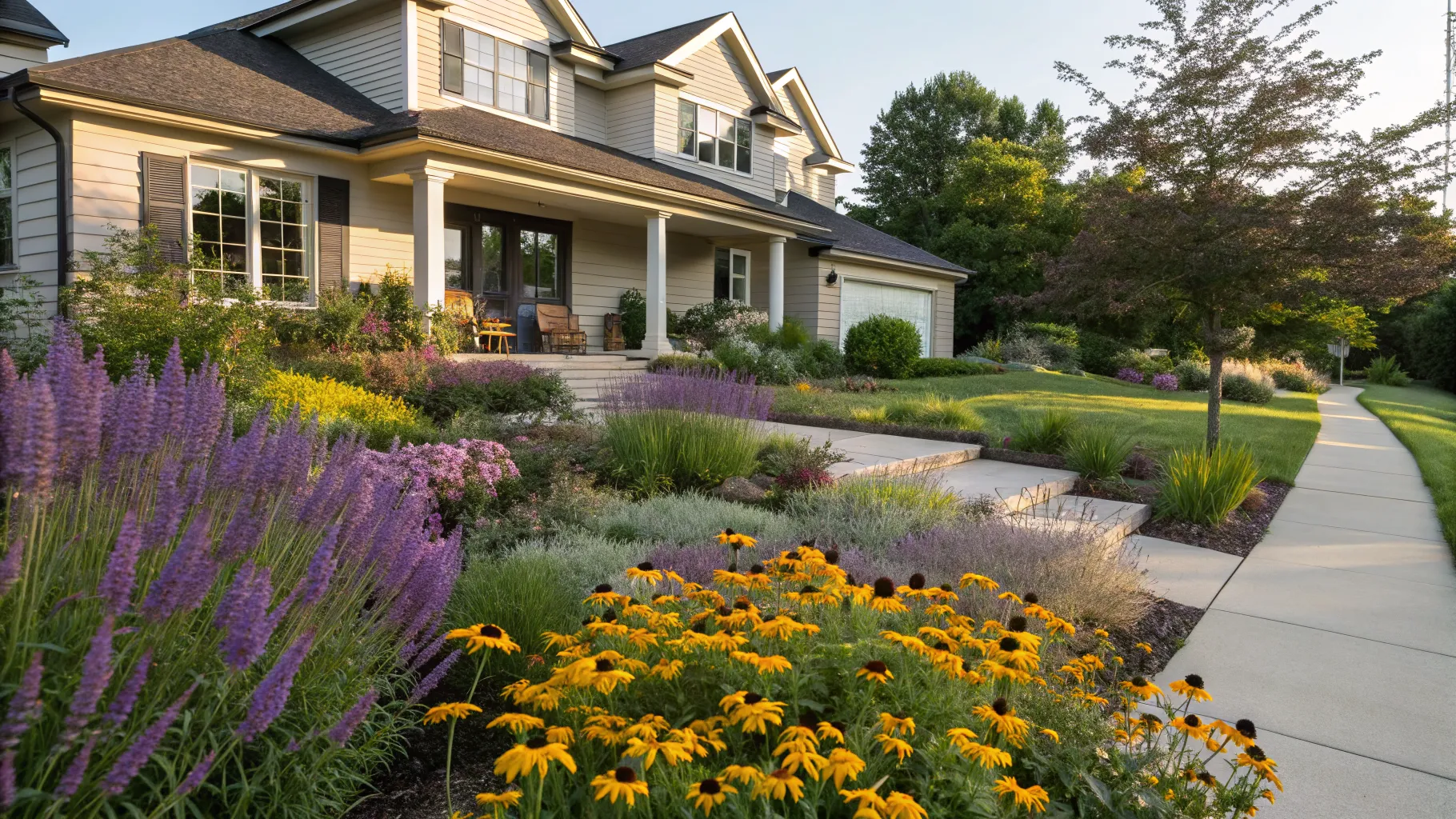
Creating a beautiful garden in a spot that receives six or more hours of direct sunlight daily can be a challenge, but it's also a fantastic opportunity. The key lies in selecting the right plants and using smart design techniques. This guide offers comprehensive front house full sun perennial garden designs to help you transform your sun-scorched patch into a vibrant, blooming showcase that boosts curb appeal year after year. We will explore various full sun perennial garden ideas, from plant selection to layout, ensuring your front yard becomes a source of pride and beauty. By focusing on smart front yard perennial landscaping, you can achieve a low-maintenance garden that thrives in the heat and provides continuous color.
Choosing the Right Perennials for Maximum Sun Exposure
The foundation of any successful full sun garden is the plant selection. Not all perennials can withstand the intense heat and light of a south-facing yard. It's crucial to choose species that are naturally adapted to these conditions. Look for plants labeled 'full sun' at your local nursery, and consider drought-tolerant varieties to minimize watering needs. Key considerations include bloom time, height, spread, and color. For stunning front garden design inspiration, aim for a mix of plants that offer sequential blooms from spring through fall. Some top performers for full sun include Coneflower (Echinacea), which offers bold color and attracts pollinators; Black-Eyed Susan (Rudbeckia) for its cheerful yellow flowers; Russian Sage (Perovskia atriplicifolia) for its airy silver foliage and lavender-blue spires; and Daylilies (Hemerocallis), which are incredibly hardy and come in a vast array of colors. Integrating these choices provides endless full sun perennial garden ideas that are both beautiful and resilient.
Essential Perennial Garden Layouts for Front Yards
A well-planned layout is just as important as the plants themselves. Effective perennial garden layouts guide the eye, create a sense of harmony, and make the space feel intentional. For front yards, the goal is to enhance the home's architecture and create a welcoming entrance. Consider the scale of your house and yard when designing your beds. A common mistake is creating beds that are too small or narrow, which can look out of proportion. Be bold with your shapes, whether you prefer formal geometric lines or informal, curving beds. Many successful front house full sun perennial garden designs utilize one of several classic approaches to structure the space. A well-thought-out design ensures your front yard perennial landscaping looks polished and professional.
The Layered Border
This classic technique is perfect for lining walkways, driveways, or the foundation of your house. The principle is simple: place the tallest plants, like ornamental grasses or tall phlox, at the back of the bed. In the middle layer, use medium-height perennials such as Shasta daisies or salvias. The front edge should feature low-growing or mounding plants like creeping phlox, sedum, or coreopsis. This layering creates a lush, full look and ensures all plants are visible.
The Island Bed
If you have a larger front lawn, an island bed can create a stunning focal point. This freestanding garden bed is designed to be viewed from all sides. The tallest plants should be placed in the center of the bed, with heights gradually decreasing toward the edges. This creates a mounded effect that is visually appealing from every angle and provides excellent front garden design inspiration.
The Cottage Garden Style
For a more informal, romantic look, the cottage garden style is an excellent choice. This design embraces a dense planting of a wide variety of perennials, often intermingled with annuals and herbs. The look is charmingly chaotic yet cohesive. Use a mix of textures, colors, and forms, and allow plants to self-seed and spill over pathways. This style is one of the most beloved full sun perennial garden ideas for its relaxed and abundant aesthetic.
Actionable Steps to Install Your Sun-Loving Garden
Putting your plan into action requires proper preparation and technique. Following these steps will help ensure your perennials establish quickly and thrive for years to come, turning your vision for front house full sun perennial garden designs into a reality.
- Soil Preparation: Most sun-loving perennials prefer well-draining soil. Before planting, amend your existing soil with compost or other organic matter. This improves soil structure, drainage, and nutrient content, giving your plants the best possible start.
- Strategic Planting: Arrange your plants on the ground while still in their pots to finalize your perennial garden layouts. Pay close attention to the mature size of each plant, providing enough space for them to grow without overcrowding. Dig a hole twice as wide as the root ball and just as deep. Gently tease the roots before placing the plant in the hole and backfilling with soil.
- Watering Wisely: Newly planted perennials need consistent water to establish their root systems. Water deeply once or twice a week, rather than shallowly every day. Once established, many full-sun perennials are quite drought-tolerant, but they will still benefit from a deep soaking during prolonged dry spells.
- Mulching for Success: Apply a 2-3 inch layer of organic mulch, such as shredded bark or pine straw, around your plants. Mulch helps retain soil moisture, suppress weeds, and regulate soil temperature. Keep the mulch a few inches away from the base of the plants to prevent rot.
Maintaining Your Perennial Garden for Year-Round Beauty
One of the greatest benefits of perennials is their longevity, but they do require some maintenance to look their best. A little seasonal care will keep your front yard perennial landscaping healthy and vibrant. Deadheading, or removing spent flowers, encourages many perennials to produce more blooms. In late fall or early spring, cut back any dead foliage to make way for new growth. Every three to five years, you may need to divide overgrown clumps of perennials like daylilies or hostas. This not only controls their size but also rejuvenates the plant and gives you more plants to expand your garden or share with friends.
Frequently Asked Questions
What are the best low-maintenance options for front house full sun perennial garden designs?
For a low-maintenance garden, choose drought-tolerant and disease-resistant perennials. Some excellent choices include Yarrow (Achillea), Coneflower (Echinacea), Sedum 'Autumn Joy', Russian Sage (Perovskia), and Catmint (Nepeta). These plants require minimal watering once established and are generally pest-free.
How can I ensure my perennial garden has color all season long?
The key to continuous color is planning for sequential blooming. Research the bloom times for different perennials and choose a mix of spring, summer, and fall bloomers. For example, you could plant Creeping Phlox for spring, Salvia and Daylilies for summer, and Asters and Sedum for fall. This is a core principle behind successful perennial garden layouts.
What are some good full sun perennial garden ideas for small front yards?
In a small space, think vertically and choose compact or dwarf varieties of your favorite plants. Create a narrow border garden along a walkway or foundation. Use containers to add height and interest. Good plant choices for small spaces include 'Little Goldstar' Black-Eyed Susan, dwarf varieties of Coneflower, and low-growing Catmint.
References
- The Complete Gardener's Guide to Perennials
- Landscaping for Curb Appeal: Design and Plant Selection
- Drought-Tolerant Gardening in Sunny Climates
- American Horticultural Society Plant Propagation