Planning a 14-Day Trip to Japan for Seniors
Traveling to Japan offers a remarkable blend of ancient traditions and modern conveniences. For older adults, a two-week journey allows for a comfortable pace to experience the country without feeling rushed. Careful planning ensures a smooth and memorable experience tailored to senior travel needs, from navigating public transit to selecting accessible lodgings.
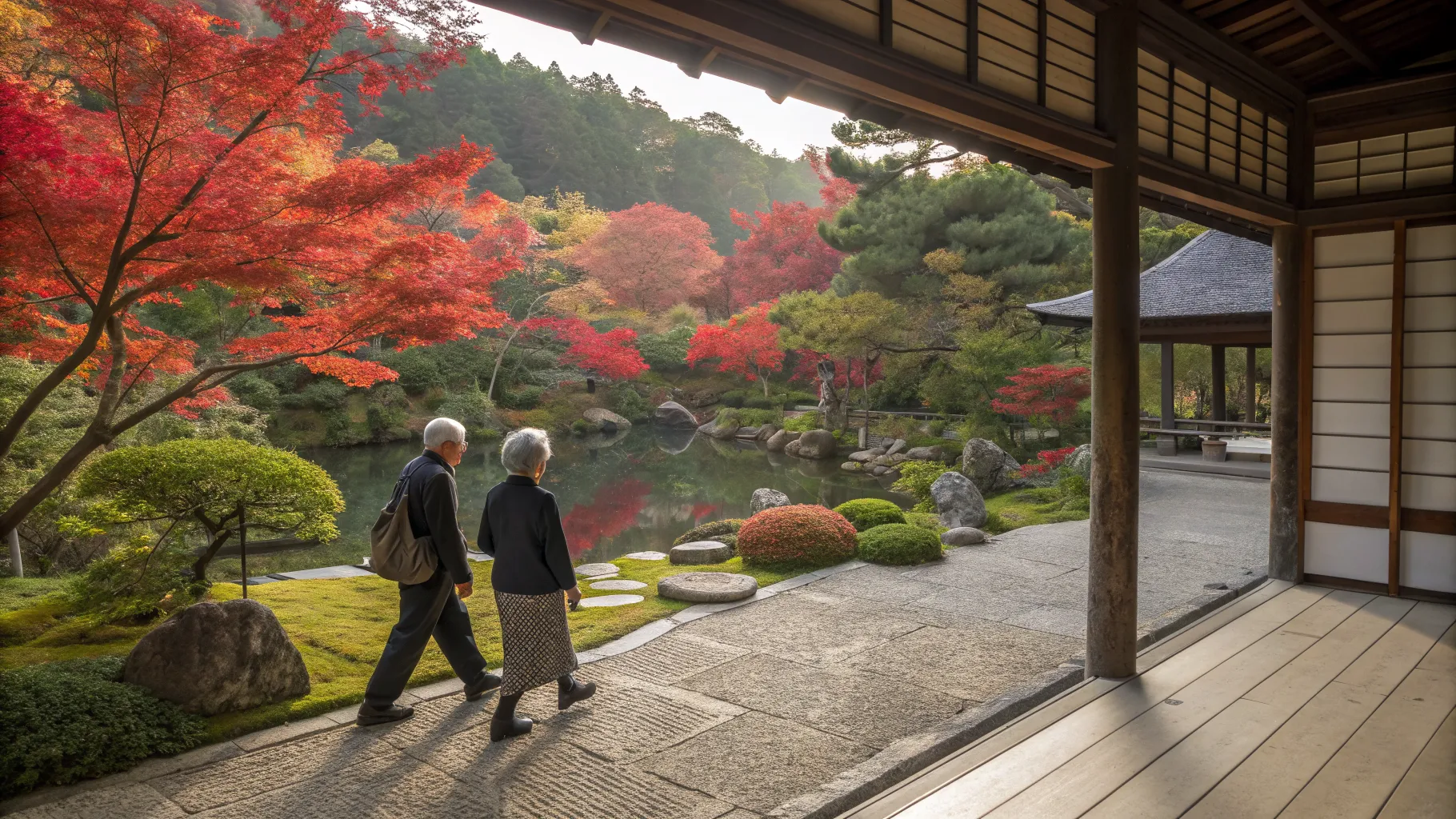
Benefits of a Two-Week Itinerary
A 14-day trip provides the perfect balance of exploration and rest. Instead of packing multiple cities into a few hurried days, seniors can spend three to four nights in key locations. This slower pace reduces travel fatigue and allows for deeper immersion in the local culture.
Furthermore, an extended timeframe gives travelers flexibility. If the weather is uncooperative or if someone needs a quiet afternoon to recharge, having extra days means missing out on less. It is a forgiving schedule that prioritizes comfort over checking off a massive list of sights.
Choosing the Right Time to Visit
The seasons play a significant role in planning a Japanese getaway. Spring and autumn are widely considered the best times for older adults to visit. The weather during these periods is generally mild, which makes walking and sightseeing much more pleasant than during the sweltering summer months.
Spring brings the iconic cherry blossoms, while autumn offers vibrant red and gold foliage. Both seasons draw large crowds, so booking accommodations well in advance is highly recommended. Winter can be quite cold, but it offers serene snowscapes and fewer tourists for those who do not mind the chill.
Transportation Considerations for Older Adults
Navigating Japan is exceptionally efficient thanks to its world-renowned public transit system. The Shinkansen, or bullet train, is the ideal way to travel between major cities like Tokyo and Kyoto. These trains are spacious, impeccably clean, and equipped with comfortable seating that is easy on the back and joints.
Within cities, subways and buses are prevalent, though they can involve significant walking and stair climbing. To mitigate this, seniors should look for stations equipped with elevators and escalators. Additionally, taxis are widely available and offer a convenient, albeit more expensive, alternative for reaching specific destinations directly.
Accessible Accommodations
Finding the right place to stay is crucial for a comfortable 14-day journey. Western-style hotels are plentiful in major cities and typically offer standard amenities like raised beds and accessible bathrooms. These establishments cater well to international visitors and often have staff who speak multiple languages.
For a traditional experience, staying in a ryokan (Japanese inn) is a highlight, but it requires some research. Many traditional rooms feature tatami mats and futons laid on the floor, which can be difficult for some seniors to navigate. Fortunately, many modern ryokans now offer rooms with elevated beds and private en-suite facilities designed for guests with mobility concerns.
Designing a Senior-Friendly Itinerary
A sensible 14-day route often focuses on the classic route while adding a few relaxed detours. Starting in Tokyo allows visitors to acclimate to the time zone and experience the vibrant city life. From there, traveling to the Fuji Five Lakes region provides stunning views of Mount Fuji in a tranquil setting.
- Tokyo: Explore accessible museums, indoor cultural exhibits, and beautiful flat gardens.
- Hakone: Enjoy a relaxing soak in a private hot spring with views of the surrounding mountains.
- Kyoto: Visit flat, easily walkable sites like the Arashiyama Bamboo Grove or the pathways of the Philosopher's Walk.
- Hiroshima: Pay respects at the Peace Memorial Park, which features wide, flat paths suitable for slow walkers and wheelchairs.
Dining and Dietary Preferences
Japanese cuisine is diverse, healthy, and generally very accommodating to different palates. Traditional meals often consist of rice, miso soup, grilled fish, and pickled vegetables, providing balanced nutrition. For those who prefer familiar foods, western options are readily available in almost every city and hotel.
Travelers with specific dietary restrictions should prepare in advance. While vegetarianism and gluten-free diets are becoming more understood in Japan, they are not universally catered to in smaller restaurants. Carrying a translated dietary card can help communicate needs clearly to waitstaff and chefs, ensuring safe and enjoyable dining experiences.
Packing Essentials and Luggage Forwarding
Packing light is a golden rule for travel, but Japan offers a unique service that makes luggage management effortless. The luggage forwarding service, known locally as Takuhaibin, allows travelers to ship their heavy suitcases from one hotel to the next. This means seniors can navigate train stations with only a small overnight bag, drastically reducing physical strain.
When it comes to clothing, layers are essential for adapting to changing temperatures throughout the day. Comfortable, well-broken-in walking shoes are an absolute necessity, as even a relaxed itinerary will involve a fair amount of walking. Slip-on shoes are particularly useful, as many temples and traditional restaurants require guests to remove their footwear upon entry.