10 Signs You May Have Kidney Disease: Key Kidney Health Symptoms to Watch For
Facts:
- Kidney disease affects over 850 million people worldwide.
- Early detection can significantly slow disease progression.
Understanding the Subtle Warnings: Early Kidney Condition Indicators
Your kidneys are vital organs that work tirelessly to filter waste from your blood, but they often don't show signs of trouble until significant damage has occurred. Recognizing the early kidney health symptoms is crucial for seeking timely medical intervention. Many people dismiss these signs as symptoms of other, less serious conditions, which is why this renal health education is so important. Paying close attention to what your body is telling you can make all the difference in managing your kidney health. This guide provides essential renal function information to help you identify potential warning signs before they become severe.
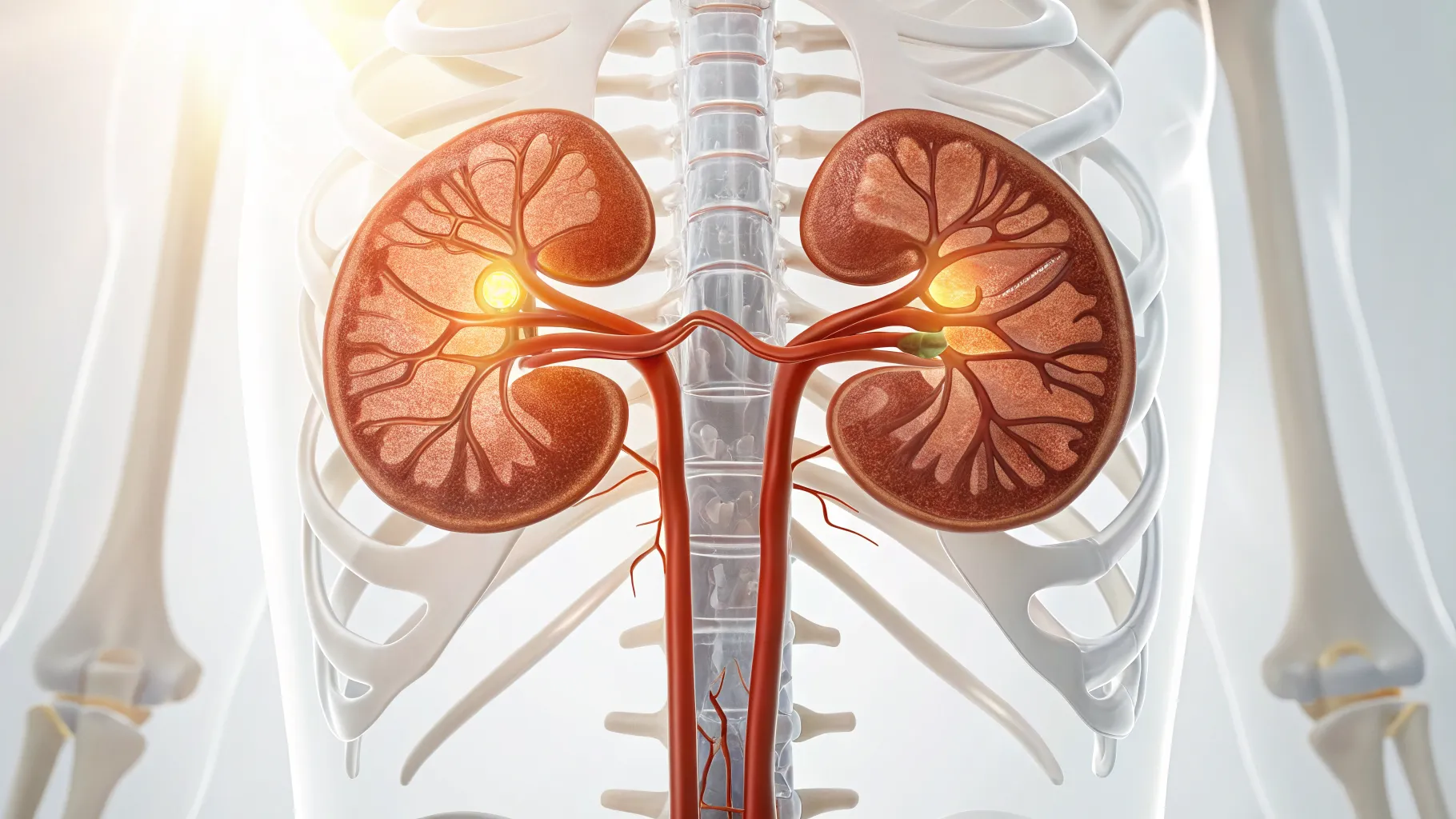
The Top 10 Signs You May Have Kidney Disease
Being aware of the following 10 kidney disease signs can empower you to take control of your health. If you experience one or more of these symptoms persistently, it's a strong signal to consult with a healthcare provider for a proper evaluation.
1. Persistent Fatigue and Low Energy
A severe decrease in kidney function can lead to a buildup of toxins and impurities in the blood. This can cause people to feel tired, weak, and have trouble concentrating. Another complication of kidney disease is anemia, which can also cause weakness and fatigue. These are significant kidney health symptoms that should not be ignored.
2. Trouble Sleeping (Insomnia)
When the kidneys aren't filtering properly, toxins remain in the blood rather than leaving the body through the urine. This can make it difficult to sleep. There is also a link between sleep apnea and chronic kidney disease, making it a critical kidney condition indicator to discuss with your doctor.
3. Dry and Itchy Skin
Healthy kidneys do many important jobs. They remove wastes and extra fluid from your body, help make red blood cells, and help keep bones strong and work to maintain the right amount of minerals in your blood. Dry and itchy skin can be a sign of the mineral and bone disease that often accompanies advanced kidney disease, when the kidneys are no longer able to keep the right balance of minerals and nutrients in your blood. This is valuable renal function information for overall health.
4. Increased Need to Urinate, Especially at Night
If you feel the need to urinate more often, especially at night, this can be a sign of kidney disease. When the kidneys' filters are damaged, it can cause an increase in the urge to urinate. Sometimes this can also be a sign of a urinary infection or enlarged prostate in men. Monitoring your urination patterns is a key part of renal health education.
5. Blood in Your Urine (Hematuria)
Healthy kidneys typically keep the blood cells in the body when filtering wastes from the blood to create urine, but when the kidneys' filters have been damaged, these blood cells can start to 'leak' out into the urine. In addition to signaling kidney disease, blood in the urine can be indicative of tumors, kidney stones, or an infection. These are serious kidney condition indicators.
6. Foamy or Bubbly Urine
Excessive bubbles in the urine – especially those that require you to flush several times before they go away – indicate protein in the urine. This foaminess looks like the foam you see when scrambling eggs, as the common protein found in urine, albumin, is the same protein that is found in eggs. This is one of the more specific 10 kidney disease signs.
7. Puffiness Around Your Eyes (Periorbital Edema)
Protein leaking out of the kidneys into the urine is an early sign that the kidneys' filters are damaged. This puffiness around your eyes can be due to the fact that your kidneys are leaking a large amount of protein in the urine, rather than keeping it in the body. This is a tell-tale kidney health symptom.
8. Swollen Ankles and Feet (Edema)
Decreased kidney function can lead to sodium retention, causing swelling in your feet and ankles. Swelling in the lower extremities can also be a sign of heart disease, liver disease, and chronic leg vein problems. Understanding this is an important piece of renal health education.
9. Poor Appetite or a Metallic Taste in Your Mouth
A buildup of toxins (called uremia) in the blood can make food taste different and cause bad breath. You may also find that you stop liking to eat meat, or that you are losing weight because you just don't feel like eating. This provides critical renal function information about how waste buildup affects the body.
10. Muscle Cramps
Electrolyte imbalances can result from impaired kidney function. For example, low calcium levels and poorly controlled phosphorus may contribute to muscle cramping. This is another important one of the 10 kidney disease signs to monitor.
When to Consult a Healthcare Professional About Kidney Condition Indicators
While one or two of these symptoms could be related to other conditions, experiencing several of them simultaneously warrants a medical consultation. It's crucial not to self-diagnose. A healthcare provider can run simple urine and blood tests to assess your kidney function. Early diagnosis and management are vital for slowing the progression of kidney disease. Providing your doctor with a clear list of the kidney health symptoms you're experiencing will help them make an accurate diagnosis and provide the best care plan. Don't delay seeking medical advice if you recognize these warning signs.
Protecting Your Kidneys: Proactive Steps for Better Renal Health
Beyond recognizing symptoms, you can take proactive steps to protect your kidneys. This renal health education is designed to empower you with actionable advice to maintain optimal kidney function throughout your life.
- Manage Blood Pressure: High blood pressure is a leading cause of kidney damage. Regular monitoring and keeping it within a healthy range is essential.
- Control Blood Sugar Levels: For individuals with diabetes, managing blood glucose is critical to prevent damage to the kidneys' filtering units.
- Reduce Salt Intake: A diet high in sodium can increase blood pressure and strain your kidneys. Aim for less processed foods and more whole foods.
- Stay Hydrated: Drinking enough water helps your kidneys clear sodium and toxins from your body. The amount needed can vary based on individual health.
- Avoid Overuse of NSAIDs: Regular use of non-steroidal anti-inflammatory drugs like ibuprofen can harm your kidneys. Consult your doctor for pain management alternatives if you need them long-term.
Frequently Asked Questions
What are the earliest kidney health symptoms?
The earliest kidney health symptoms are often subtle and non-specific, which is why they are frequently missed. They can include persistent fatigue, slight swelling in the ankles or feet, and changes in urination frequency, particularly at night. Because these signs can be attributed to many other conditions, it's important to consider them in the context of your overall health and risk factors, such as diabetes or high blood pressure.
Can kidney disease be reversed?
Acute kidney injury is often reversible with prompt treatment of the underlying cause. However, Chronic Kidney Disease (CKD) is typically not reversible. The goal of treatment for CKD is to slow down the progression of the disease and manage symptoms. This is why public renal health education and early detection of kidney condition indicators are so critical to preserving long-term kidney function.
References
- National Kidney Foundation Guidelines
- American Journal of Kidney Diseases Studies
- Centers for Disease Control and Prevention (CDC) - Chronic Kidney Disease Initiative
- World Health Organization (WHO) Reports on Renal Health