10 Signs of Kidney Disease: Recognizing the Early Warnings
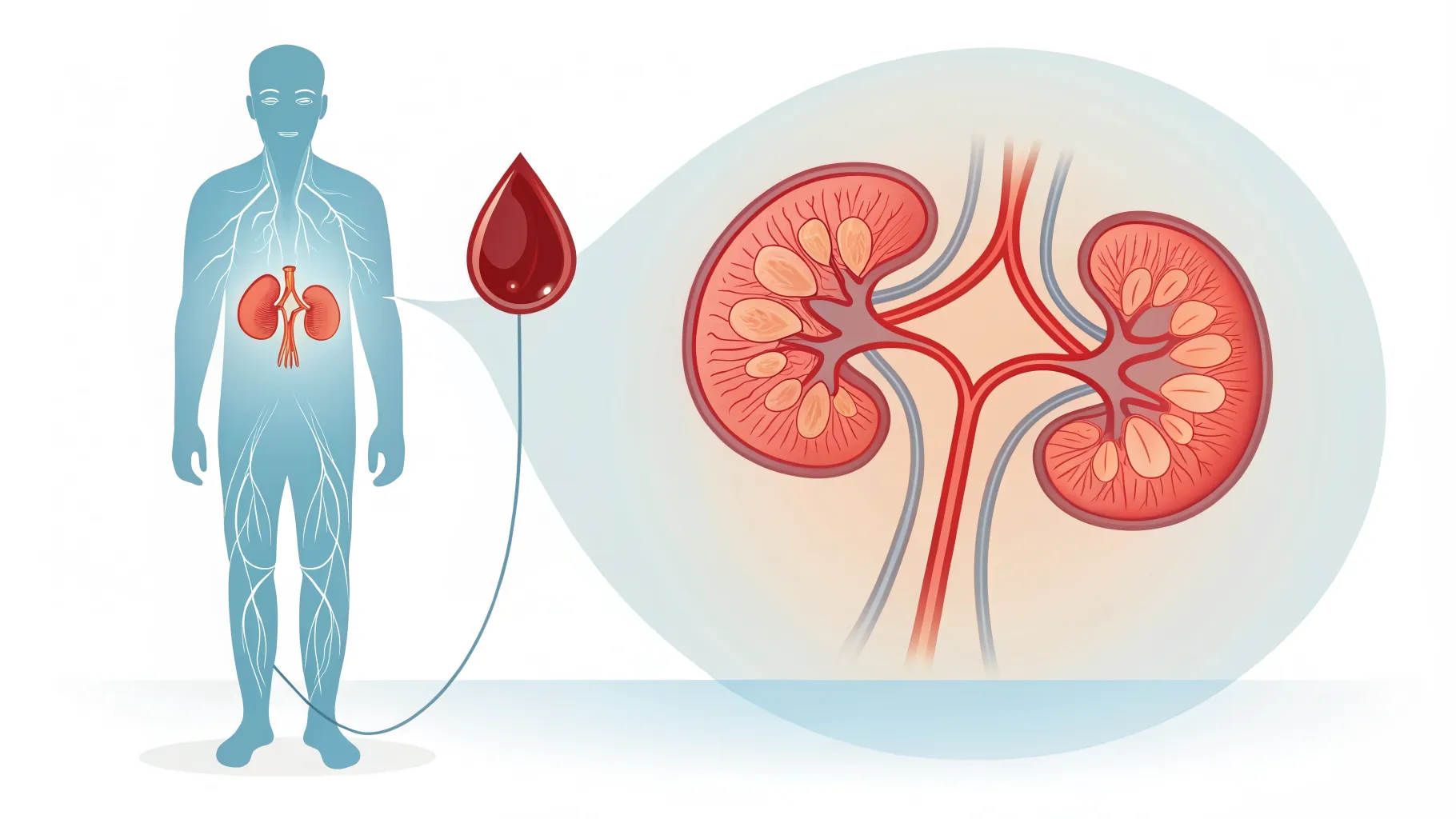
The kidneys perform vital functions, including filtering waste from the blood, balancing body fluids, and producing hormones that regulate blood pressure. When kidney function declines, the body begins to show subtle warning signs. Recognizing these indicators early can be crucial for managing kidney health and preventing further complications. Here are ten signs that might indicate compromised kidney function.
1. Noticeable Changes in Urination Patterns
One of the earliest indicators of kidney distress involves changes in how often and how much a person urinates. Individuals might find themselves waking up several times during the night to use the bathroom, a condition known as nocturia. This happens because the kidney filters are damaged, causing an increase in the urge to urinate.
Beyond frequency, the appearance of the urine can also provide important clues. Foamy or bubbly urine that requires multiple flushes often indicates the presence of protein, specifically albumin. Additionally, seeing blood in the urine is a clear signal that the kidneys are failing to keep blood cells in the body while filtering waste.
2. Persistent Fatigue and Decreased Energy Levels
Healthy kidneys produce a hormone called erythropoietin, which tells the body to make oxygen-carrying red blood cells. As kidneys fail, they make less of this hormone. With fewer red blood cells to carry oxygen, the muscles and brain tire very quickly, leading to an overwhelming sense of exhaustion.
This type of fatigue goes beyond normal tiredness after a long day. People experiencing this symptom often feel drained even after a full night of rest, and they may struggle to complete simple daily tasks that previously required minimal effort.
3. Swelling in the Extremities
When kidneys are not functioning properly, they lose their ability to efficiently remove excess sodium and fluid from the body. This fluid accumulation, known as edema, commonly settles in the lowest parts of the body due to gravity, resulting in swollen ankles, feet, and legs.
In some cases, the swelling can also affect the hands and face. A common way this manifests is noticing that shoes feel unusually tight or that socks leave deep indentations on the calves at the end of the day.
4. Unexplained Shortness of Breath
Experiencing difficulty catching your breath can be linked to kidney function in two distinct ways. First, the extra fluid in the body that the kidneys fail to remove can build up in the lungs, making it difficult to breathe even when lying down or resting.
Second, the anemia associated with kidney disease means that the body is starved of oxygen. When the lungs are trying to compensate for the lack of oxygen-rich blood, shortness of breath can occur after very minimal physical exertion.
5. Severely Dry and Itchy Skin
The kidneys are responsible for keeping the right balance of minerals and nutrients in the blood. When they can no longer maintain this balance, it often leads to mineral and bone disease. A highly noticeable external symptom of this internal imbalance is severely dry, flaky, and itchy skin.
This itchiness is usually deeply rooted and feels different from typical dry skin caused by weather changes. It often does not respond well to over-the-counter moisturizers or topical treatments, as the underlying cause is an accumulation of phosphorus and other elements in the blood.
6. Experiencing a Metallic Taste or Ammonia Breath
A buildup of waste products in the blood, known as uremia, can change the way food tastes and cause bad breath. Many individuals report a distinct metallic taste in their mouth, which can alter the flavor of their favorite meals.
Furthermore, this toxic buildup can lead to bad breath that smells faintly of ammonia. Some people also develop a sudden aversion to eating meat, which contributes to poor nutritional intake and unwanted weight loss.
7. Chronic Nausea and Upset Stomach
As kidney function declines and uremia sets in, the body attempts to deal with the excess waste in whatever way it can. This severe accumulation of toxins often triggers persistent nausea, upset stomach, and frequent vomiting.
- Loss of interest in regular meals due to constant queasiness.
- Difficulty keeping medications or fluids down.
- A general feeling of being unwell that does not resolve with standard antacids.
8. Feeling Cold Regardless of the Temperature
Anemia caused by kidney disease does not just cause fatigue; it can also affect body temperature regulation. People with compromised kidney function often report feeling freezing cold, even when they are in a warm room or bundled up in layers of clothing.
This constant chilliness can manifest as cold hands and feet or intermittent chills. It is a direct result of having a shortage of oxygen-carrying red blood cells circulating throughout the body.
9. Significant Loss of Appetite
A generalized loss of appetite is a very common symptom among those experiencing early to advanced kidney issues. Because the body is overwhelmed by toxins that are not being filtered out, the brain signals a decreased desire to consume food.
This symptom rarely occurs in isolation. It is typically compounded by the nausea and taste changes mentioned earlier, creating a cycle that can lead to dangerous levels of malnutrition if the underlying kidney issue is not addressed.
10. Persistent Puffiness Around the Eyes
While swelling in the lower extremities is common, puffiness specifically around the eyes is a strong indicator that the kidneys are leaking a large amount of protein into the urine rather than keeping it in the body. This is often an early sign of kidney filter damage.
The periorbital edema, or puffiness around the eyes, is usually most pronounced in the morning. Unlike typical morning puffiness that fades after a cup of coffee and a cold splash of water, this swelling remains persistent throughout the day.