A Comprehensive Guide to Floral Design Classes for Seniors
Exploring new hobbies is a wonderful way to stay active and engaged during retirement. Floral design classes for seniors provide a structured environment to learn the art of flower arrangement while enjoying a peaceful, sensory experience.
Understanding the Benefits of Floral Arrangement
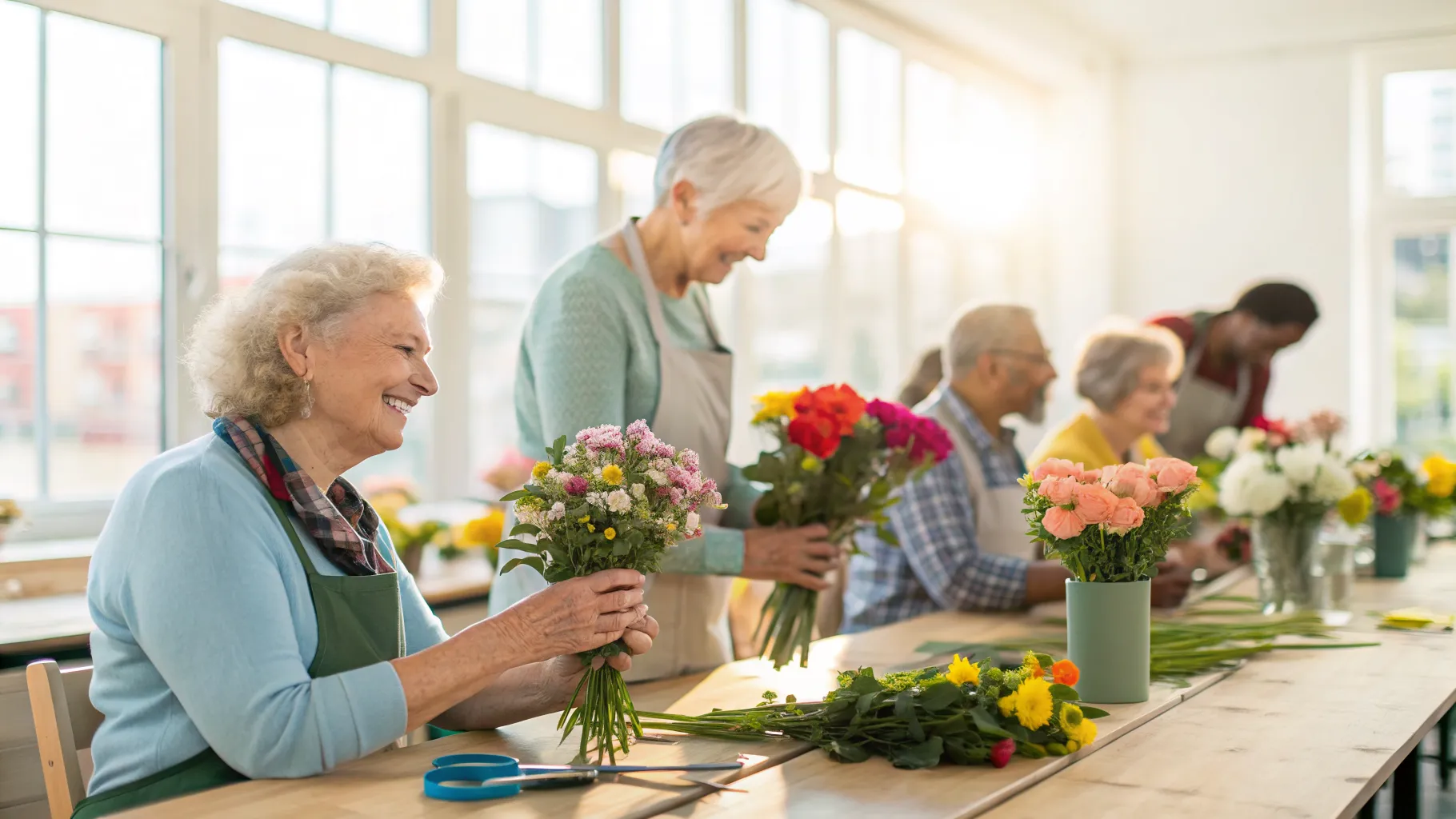
Engaging in floral design offers numerous cognitive and physical advantages for older adults. The process of trimming stems, manipulating wire, and placing delicate blooms helps maintain fine motor skills and hand-eye coordination. Additionally, planning the layout and color scheme of a centerpiece stimulates cognitive functions and encourages creative problem-solving.
Beyond the physical perks, working with fresh flowers provides a significant emotional boost. The natural fragrances and vibrant colors can reduce stress levels and promote a sense of calm. Participating in group classes also fosters social interaction, helping to combat feelings of isolation by connecting individuals with shared interests.
What to Expect in a Beginner Class
For those new to the craft, a floral design classes for seniors guide will often highlight a relaxed, step-by-step learning environment. Instructors typically begin with a brief overview of the flowers being used, discussing their names, origins, and specific care requirements. This is usually followed by a live demonstration where the teacher builds an arrangement from start to finish.
After the demonstration, students are given their own materials to recreate the design or improvise their own variations. The atmosphere is generally highly supportive, with instructors walking around the room to offer personalized guidance, assist with difficult cuts, and provide constructive feedback on balance and proportion.
Common Tools and Materials Used in Floral Design
While most introductory workshops provide all necessary supplies, understanding the basic equipment can help participants feel more prepared. Instructors usually introduce specialized tools that make working with plants easier and safer for arthritic hands.
- Floral shears or sharp clippers for making clean cuts on woody stems.
- Floral foam and chicken wire to anchor stems securely in a container.
- Waterproof tape to create grids across the top of wide-mouthed vases.
- Floral wire and tape for supporting weak stems and crafting corsages.
Where to Find Floral Design Classes Locally
Finding accessible floral design classes for seniors information is often as simple as checking local community resources. Many municipal senior centers and public libraries host weekly or monthly workshops tailored specifically for older adults. These programs are often subsidized, making them an affordable way to test the waters without a major financial commitment.
Local independent florists and botanical gardens are also excellent venues to explore. Florists may host seasonal workshops, such as holiday wreath-making or spring centerpiece creation, after regular business hours. Botanical gardens tend to offer comprehensive continuing education programs, sometimes featuring masterclasses taught by renowned horticulturists and designers.
Virtual Learning Options for Adults
For individuals who have mobility limitations or lack access to reliable transportation, virtual learning options for adults have become increasingly popular. Many studios now offer online floral design courses that can be enjoyed from the comfort of a home dining table. These programs typically stream live sessions or provide pre-recorded video tutorials that allow students to work at their own pace.
To make the experience seamless, several virtual class providers mail out complete kits prior to the lesson. These kits include the exact number of fresh flowers, foliage, and mechanics needed to complete the project. This hybrid approach ensures that homebound seniors can still enjoy the tactile experience of arranging beautiful flowers.
How to Choose the Right Class for Your Needs
Selecting the best beginner classes guide requires careful consideration of personal needs and physical comfort. Prospective students should inquire about the accessibility of the venue, ensuring there are no steep stairs and that ample seating is provided, as floral design is traditionally done standing but can easily be adapted for seated participants.
It is also wise to ask about class sizes and the instructor's background. Smaller groups guarantee more one-on-one attention, which is especially beneficial when handling sharp tools for the first time. Finding an instructor who has experience teaching older adults ensures they will employ patience, clear communication, and practical modifications for a safe and enjoyable learning experience.