Language Learning Strategies and Techniques for 2025
Approaches to Learning a New Language for Beginners in 2025
Learning a new language in 2025 involves a dynamic process of developing communication skills and cultural understanding. Advances in technology provide a range of resources that support learners at every level. This guide presents key approaches and practical methods to help beginners build a strong foundation and progress productively in their language studies.
Incorporating Language Apps into Daily Learning Practice
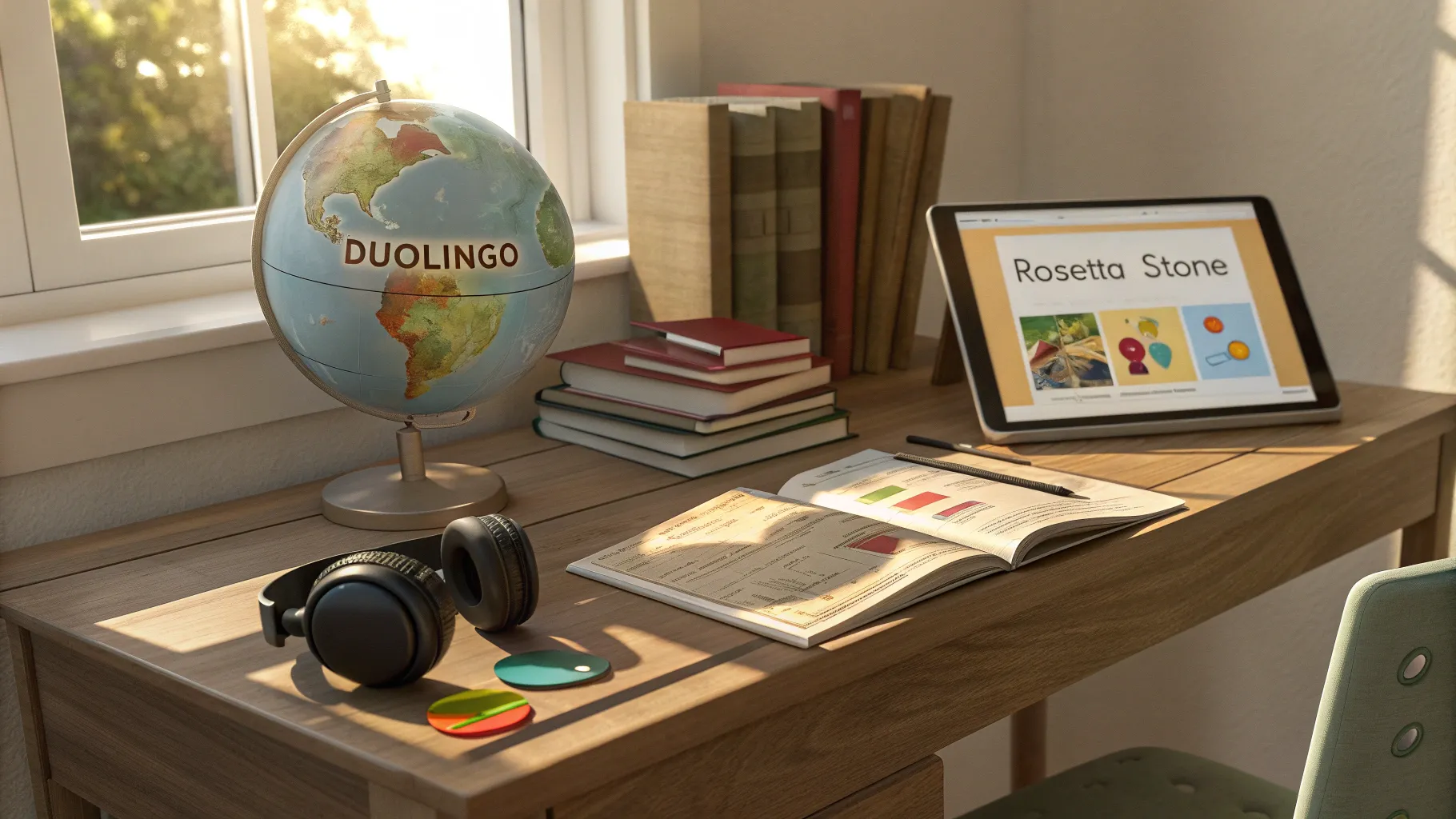
Today’s language apps are highly sophisticated and user-friendly, offering learners an engaging way to build language skills. Applications such as Duolingo, Babbel, and Rosetta Stone have revolutionized daily practice with their bite-sized lessons. By dedicating just 10-15 minutes a day, you can effectively enhance your vocabulary and grasp of grammar.
The real magic of these platforms lies in their AI-driven modules. These advancements tailor lessons to your unique learning style, making practice not only efficient but also enjoyable. By keeping the sessions short and interactive, they help prevent the fatigue often associated with longer study periods.
How Virtual Environments Support Language Learning Progress
One of the most powerful ways to learn a language is through immersion. While traveling might not always be an option, virtual immersion serves as a practical solution. With platforms like Tandem and HelloTalk, you’re just a click away from real-time conversations with native speakers across the field.
In recent months, studies have shown that over 80% of language learners improved their fluency by engaging with native speakers regularly. Coupling these interactions with subtitled TV shows, spirited music, and lively podcasts in the target language deepens your understanding of its dialects and nuances.
Understanding the Impact of Consistent Routines
Achieving language mastery largely depends on building a solid routine. Rather than cramming vocabulary lists, cultivate a habit of dividing learning sessions into achievable parts:
- Time Management: Pinpoint specific parts of the day, perhaps when your mind is most alert or when you have some downtime. Consistency is key to progress.
- Diverse Practices: Balance your routine by incorporating reading, writing, listening, and speaking into your schedule. This holistic approach enhances cognitive flexibility and language proficiency.
- Micro-Learning: Take advantage of daily interruptions to squeeze in mini-study sessions, be it on bus rides or during lunch breaks. Repeated exposure fosters familiarity and retention.
Methods for Monitoring Learning Progress
Regularly evaluating progress can be a transformative motivator. Most language apps now feature progress-tracking dashboards. For instance, Duolingo can visually map out your learning journey, detailing words and phrases you’ve mastered along the way. This continual feedback keeps motivation levels high.
Additionally, maintaining a tangible log of new words, idioms, and interesting interactions in a language journal can further cement your progress. A daily reflection on even minor achievements accumulates to giant strides over the long term.
Adjusting Language Learning Strategies to Fit Your Needs
Language acquisition doesn't come with a one-size-fits-all formula. Recognizing and harnessing your strengths can significantly heighten your learning:
- Contextual Learning: Focus on understanding how language structures work as opposed to isolated memorization. This method allows you to become adept at grasping meaning through context.
- Active Recall: Practice retrieving information without consulting notes. This strategy improves memory retention and depth of knowledge.
- Spaced Repetition: Space out learning periods strategically over time to forge long-lasting memory connections.
The year 2025 is laden with an arsenal of activities and resources tailored for eager language learners. With a calculated mix of technology-driven methods and personal dedication, the pathway to fluency is both invigorating and fulfilling. Embrace these tips and relish the journey of delving deeper into a new world of communication and culture."