7 Outdated Wedding Color Themes to Avoid for a Modern Celebration
Facts:
- Color psychology heavily influences guest mood and perception.
- Recent trends show a move towards personalized, multi-hued palettes for modern weddings.
Navigating the Nuances of Modern Wedding Palettes
Planning a wedding involves countless decisions, but few have as significant a visual impact as your color theme. As we look towards fresh trends, it's clear that wedding color trends changing is a constant, and what was once the height of fashion can quickly make a celebration feel dated. Understanding which palettes have had their day is key to creating a timeless, sophisticated atmosphere. This guide will explore the 7 outdated wedding color themes to steer clear of, ensuring your special day is remembered for its style and elegance, not for following fleeting fads. We'll delve into why certain combinations are now considered old wedding color schemes and provide modern wedding theme color ideas to inspire you.
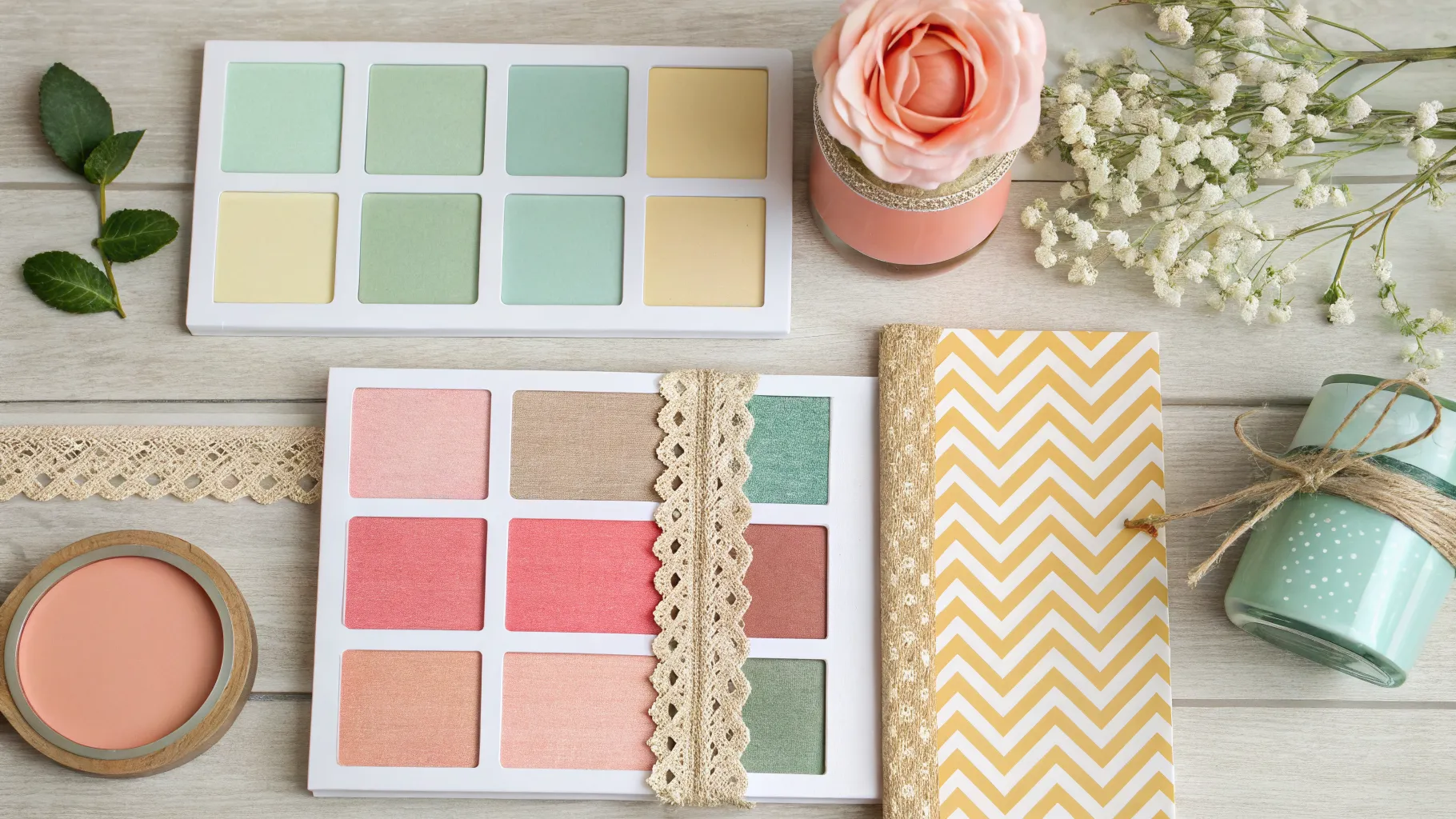
The Definitive List of Wedding Colors to Avoid
While personal taste is paramount, some color combinations have become so overused or tied to a specific era that they can detract from a modern aesthetic. Avoiding these palettes is the first step toward a more contemporary and personal wedding design. Here are the top wedding colors to avoid for a forward-thinking celebration.
1. Mint Green & Coral
This once-charming duo screamed 'vintage-chic' for the better part of a decade. Popularized by Pinterest boards and rustic weddings, mint and coral became ubiquitous. Unfortunately, its saturation has led to it feeling tired and predictable. The high contrast can be jarring, and it often evokes a specific, now-passed, era of wedding blogs. Modern alternatives lean into more muted, earthy tones like sage green paired with terracotta or dusty rose for a softer, more organic feel.
2. Blush & Rose Gold
Rose gold had a meteoric rise, covering everything from iPhones to wedding rings. Paired with blush pink, it created an ultra-feminine, almost monochromatic look. The issue is its overwhelming popularity. This combination is now so common that it lacks originality. To update this, consider using copper or bronze as a metallic accent, and pair it with a broader palette of nudes, beiges, and even deep berry tones to add depth and sophistication, moving away from these old wedding color schemes.
3. Burlap Brown & Lace White (The Rustic Overload)
The rustic wedding trend, characterized by mason jars, burlap runners, and baby's breath, had a long and dominant reign. The simple palette of burlap brown and lace white is the hallmark of this style. Today, this look feels less 'charming countryside' and more cliché. The wedding color trends changing now favor a more refined 'garden party' or 'modern farmhouse' aesthetic, incorporating rich textures and a wider array of colors like deep greens, slate blue, and warm greys instead of just brown and white.
4. Chevron Patterns in Any Bold Color
While not a color theme in itself, the use of bold chevron patterns (especially in colors like grey and yellow, or navy and white) is a design element that firmly places a wedding in the early 2010s. This graphic pattern can be visually overwhelming and often cheapens the overall decor. Instead of strong geometric patterns, modern weddings are embracing organic textures, watercolor washes, and subtle patterns inspired by nature for a more elegant and timeless backdrop.
5. Tiffany Blue & White
Inspired by the iconic jewelry brand, this color combination was long seen as a symbol of classic elegance. However, its direct and heavy-handed application can now feel a bit too on-the-nose and thematically rigid. It's one of the key wedding colors to avoid if you seek a more unique identity for your event. A more contemporary take on a blue and white palette would involve using a spectrum of blues, from dusty French blue to a deep, inky navy, creating more visual interest and depth.
6. Bright Purple & Silver
Shades like Lapis Purple, Regency, or any vibrant, saturated purple paired with metallic silver can feel dated, often reminiscent of proms or formal events from the early 2000s. The combination can be harsh and lacks the subtlety of today's preferred palettes. If you love purple, consider softer shades like lavender, lilac, or mauve, and pair them with gold or brass accents and complementary colors like sage green or pale yellow for a romantic, modern feel.
7. Sunshine Yellow & Bright Grey
This cheerful, high-contrast combination had a moment, particularly for spring and summer weddings. It was optimistic and bold. However, the specific pairing of a bright, almost primary yellow with a flat grey can now feel a bit simplistic and lacks sophistication. For couples who love yellow, consider a more toned-down mustard or ochre, and pair it with richer neutrals like charcoal, cream, and deep forest green for a more grounded and elegant palette. Exploring diverse wedding theme color ideas is essential.
Modern Alternatives for a Timeless Wedding
Understanding the 7 outdated wedding color themes is only half the battle. The exciting part is exploring what to do instead. The current movement is towards personalization and complexity. Think less about two rigid colors and more about a cohesive palette of 4-5 complementary shades. Earthy tones, muted pastels, and rich jewel tones are reigning supreme. Consider palettes like terracotta, sage, and beige for a warm, bohemian vibe, or deep teal, amber, and cream for a moody, romantic affair. The goal is to tell a story with your colors, reflecting your personality as a couple rather than just following a trend.
Expert Tips for Choosing Your Wedding Colors
Choosing a color palette can be overwhelming. Here are some actionable steps to guide you toward a timeless and beautiful theme:
- Look at Your Venue: The existing colors of your venue (carpets, walls, curtains) should be your starting point. Work with the space, not against it.
- Consider the Season: While not a strict rule, aligning your palette with the season can create a harmonious feel. Rich jewel tones for autumn, soft pastels for spring.
- Think About Mood: How do you want your wedding to feel? Romantic and soft? Bold and dramatic? Light and airy? Your colors are the primary tool for setting this mood.
- Create a Mood Board: Collect images you love—from fashion, art, and nature—and identify the color stories that emerge. This is a great way to discover unique wedding theme color ideas.
- Don't Forget Texture: A successful palette isn't just about color. Incorporate different textures like velvet, silk, linen, and wood to add depth and interest.
Frequently Asked Questions
What are the most common outdated wedding color themes?
The most common old wedding color schemes that are now considered dated include mint and coral, blush and rose gold, burlap and lace, and any combination featuring bright chevron patterns. These were heavily saturated in the market and are now seen as unoriginal.
Are there any 'safe' wedding colors that never go out of style?
Classic combinations like black and white, or a palette of ivories, creams, and soft whites with natural greenery are generally timeless. The key is in the execution—using high-quality materials and focusing on texture and lighting can keep these classic palettes feeling fresh and modern.
How can I modernize a color I love that is on this list?
If you love a color from one of the 7 outdated wedding color themes, use it as an accent rather than a main color. For instance, if you love mint, pair it with a sophisticated palette of navy, cream, and gold, using mint only in small details like a signature cocktail or a ribbon on your bouquet.
References
- The Knot Wedding Trends Report
- Brides Magazine Color Theory Guide
- Pantone Color Institute Wedding Palette Forecasts