Why Tiny Pontoons Dominate Small Lakes: The Rise of Compact Watercraft
Facts:
- Small-scale watercraft usage is surging.
- Tiny pontoons are a leading trend for lake recreation enthusiasts.
The Unstoppable Ascent of Tiny Pontoons on Small Lakes
The landscape of small lakes is undergoing a noticeable transformation, with a distinct shift towards more manageable and versatile watercraft. For decades, traditional powerboats and larger vessels dominated, but a new contender has emerged, rapidly gaining traction: the tiny pontoon. These compact pontoons are redefining lake recreation, offering unparalleled accessibility, ease of maintenance, and a surprisingly robust feature set tailored for smaller bodies of water. Their growth reflects a broader desire among enthusiasts for more sustainable, convenient, and intimate ways to enjoy their local waterways. This article delves into the multifaceted reasons behind the burgeoning popularity of these nimble vessels, exploring how they meet contemporary demands for both performance and practicality on serene lake environments.
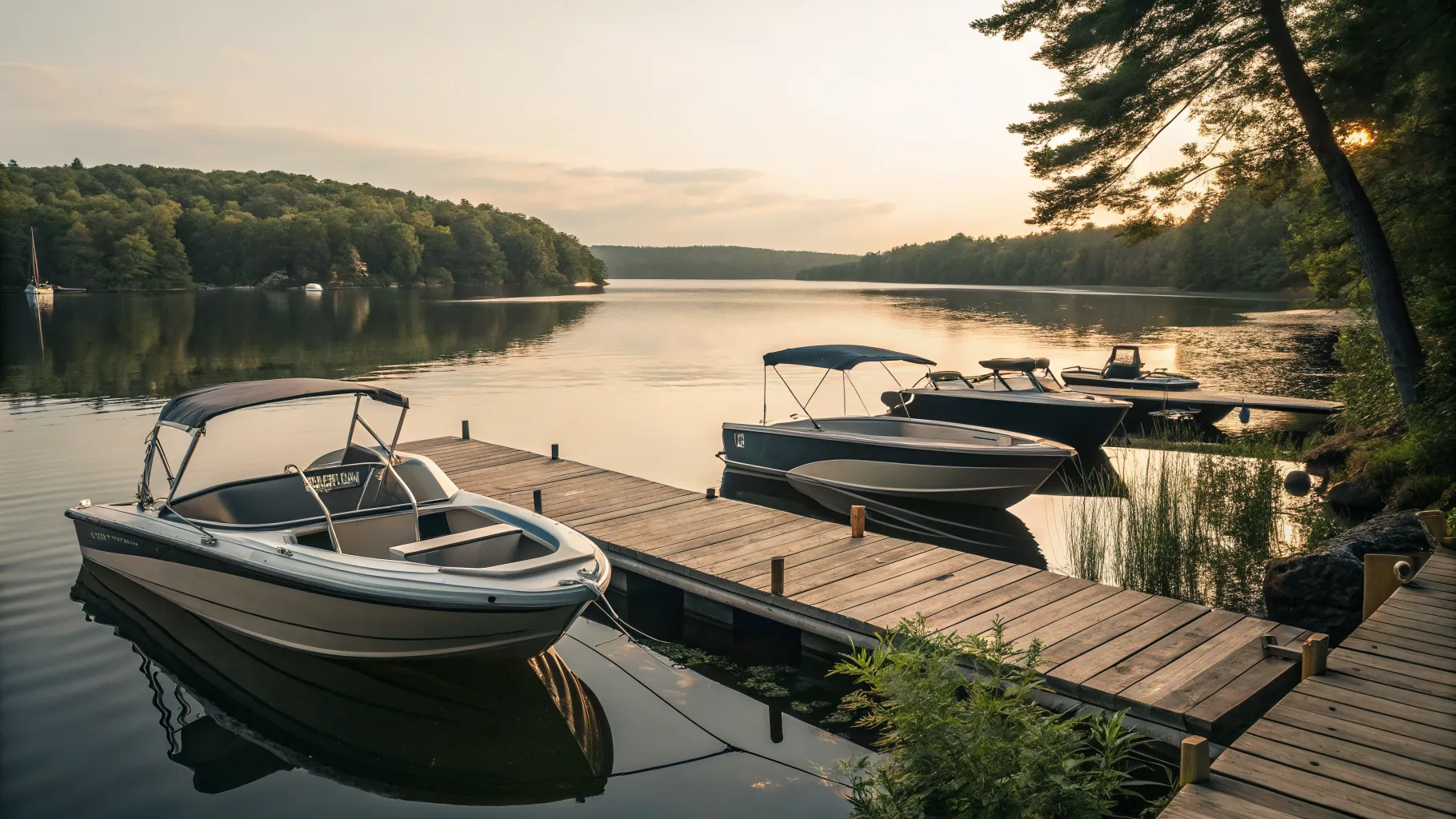
Unpacking the Appeal: Why Smaller is Better for Small Lakes
The inherent design advantages of tiny pontoons make them perfectly suited for the unique challenges and opportunities presented by small lakes. Their shorter length and narrower beams allow for exceptional maneuverability in tight coves and shallow areas that larger boats simply cannot access. This enhanced agility opens up more of the lake for exploration, providing a richer and more varied lake recreation experience. Furthermore, their shallower draft means they can navigate waters where traditional V-hull boats might risk grounding, significantly expanding the areas of **small lakes** that are safely accessible. This blend of nimbleness and resilience is a primary driver behind the rapid adoption of **compact pontoons** by a new generation of lake enthusiasts.
Economic and Maintenance Advantages of Compact Pontoons
Beyond their operational benefits, the economic considerations of owning and maintaining compact pontoons are incredibly compelling. The initial purchase price for a tiny pontoon is often significantly lower than that of larger powerboats, making watercraft accessibility a reality for a broader demographic. This affordability extends to operational costs as well; their smaller, more fuel-efficient outboard motors consume less gasoline, drastically reducing expenditure over a season of **lake recreation**. Storage is also simplified, with many tiny pontoons being small enough to fit in a standard garage or on a more compact trailer, thereby eliminating costly marina slip fees. Routine maintenance is less complex and typically less expensive, contributing to a lower overall cost of ownership. These financial advantages make tiny pontoons an attractive, practical, and sustainable choice for those looking to enjoy **small lakes** without breaking the bank.
Accessible Ownership for Every Enthusiast
The low barrier to entry for **tiny pontoons** has democratized boat ownership. Individuals who might have been deterred by the financial burden or storage complexities of larger vessels now find themselves able to embrace the joys of the water. First-time boat owners appreciate the straightforward operation and ease of handling, building confidence on the water. For those with limited space at home or for weekend excursions, the convenience of a easily trailered and stored **compact pontoon** is invaluable. This shift towards accessible ownership is invigorating **lake recreation** and drawing in a diverse community of new boaters, eager to explore **small lakes** without compromise.
Versatility and Customization: Beyond the Basics
One of the most appealing aspects of tiny pontoons is their surprising versatility and the ease with which they can be customized to suit individual preferences and activities. Far from being single-purpose vessels, these compact pontoons can be outfitted for a wide array of lake recreation pursuits. Anglers can equip them with specialized rod holders, livewells, and fish finders, transforming them into highly effective fishing platforms. Families can opt for comfortable seating, small tables, and even canopy tops for shaded cruises, perfect for leisurely afternoons on small lakes. Some models are even designed with swim ladders and spacious decks, ideal for swimming and sunbathing. This adaptability means that a single tiny pontoon can serve multiple roles, making it an incredibly efficient and enjoyable investment for diverse recreational needs.
Enhancing the Small Lake Experience
The design of **tiny pontoons** naturally fosters a more intimate and serene experience on the water, perfectly complementing the tranquil nature of **small lakes**. Their stable, flat decks offer a comfortable platform for socializing, picnicking, or simply relaxing and enjoying the scenery. The quieter operation of their smaller engines means less disturbance to wildlife and other lake users, contributing to a more peaceful environment. This focus on comfort, stability, and quiet enjoyment aligns perfectly with the desires of those seeking a calmer form of **lake recreation**, allowing boaters to truly connect with the natural beauty of their surroundings without the hustle and bustle often associated with larger, faster boats. The gentle pace and enhanced stability make them ideal for creating lasting memories on the water.
Navigating Regulations and Environmental Stewardship
Many small lakes have specific regulations regarding boat size, engine horsepower, and speed limits, often implemented to preserve the fragile ecosystems and ensure the safety and enjoyment of all users. Compact pontoons inherently comply with many of these restrictions, making them an ideal choice for environmentally conscious boaters. Their smaller footprint and typically lower-horsepower engines mean a reduced environmental impact, aligning with efforts for sustainable lake recreation. This natural fit with regulations simplifies the boating experience for owners, as they are less likely to encounter restrictions or fines. Choosing a tiny pontoon is often a proactive step towards responsible **watercraft accessibility** and preserving the pristine conditions of our cherished **small lakes** for future generations to enjoy.
Maximizing Your Tiny Pontoon Experience
- Understand Local Regulations: Before launching your tiny pontoon, always consult local lake authorities regarding size, speed, and engine restrictions. Many small lakes have specific rules designed to preserve their ecosystem and ensure safety for all users. Adhering to these guidelines ensures a harmonious lake recreation experience.
- Invest in Proper Maintenance: Though generally low-maintenance, regular checks of your compact pontoon's engine, hull, and electrical systems are crucial. Simple tasks like cleaning the deck and inspecting trailer components can significantly extend your boat's lifespan and prevent costly repairs, keeping it ready for any small lakes adventure.
- Prioritize Safety Gear: Even on calm waters, safety should never be overlooked. Ensure you have properly fitting life jackets for all passengers, a first-aid kit, fire extinguisher, and signaling devices. Understanding basic boating safety and emergency procedures is vital for safe watercraft accessibility.
- Explore Customization Options: One of the appeals of tiny pontoons is their adaptability. Consider adding features like fishing rod holders, comfortable seating upgrades, or even a small canopy for sun protection. Tailoring your pontoon to your specific lake recreation style can greatly enhance enjoyment.
- Practice Responsible Boating: Be mindful of other lake users and wildlife. Maintain a respectful distance from shorelines, swimming areas, and sensitive habitats. Minimize wake in designated zones and dispose of waste properly. Responsible behavior ensures that small lakes remain enjoyable for everyone and for future generations.
Frequently Asked Questions
Are tiny pontoons difficult to trailer and launch on small lakes?
Not at all. One of the primary advantages of tiny pontoons is their lightweight design and manageable size, making them exceptionally easy to trailer and launch, even with smaller vehicles. This ease of watercraft accessibility significantly reduces the typical hassles associated with larger boats, making them perfect for frequent trips to various small lakes.
What kind of engines power compact pontoons?
Compact pontoons are typically powered by smaller, more fuel-efficient outboard motors, ranging from 9.9 HP to 50 HP, depending on the boat's size and intended use. These engines provide ample power for cruising and light towing on small lakes while keeping operating costs low and promoting quieter lake recreation.
Can tiny pontoons be customized for specific activities?
Absolutely. The versatility of tiny pontoons is one of their strongest selling points. Owners frequently customize them for fishing with added rod holders and livewells, for leisurely cruising with enhanced seating and sound systems, or even for family fun with swim ladders and removable canopies, catering to diverse lake recreation preferences.
References
- Marine Industry Trends Report, June 2026.
- Small Lake Conservation Society Annual Review.
- National Boating Safety Council Guidelines.