Understanding Garden Landscaping Costs: A Comprehensive Guide to Your Outdoor Investment
Quick Facts on Landscaping:
- Average garden landscaping costs can vary widely.
- Demand for sustainable landscape design is rising for homeowners.
Decoding the Investment: What Influences Garden Landscaping Costs?
Embarking on a garden renovation project is an exciting prospect, but one of the first and most critical considerations is understanding the associated garden landscaping costs. From initial design to material selection and labor, numerous factors contribute to the overall landscape design budget. A well-planned approach can help you manage your expectations and ensure your outdoor living space becomes a reality without unexpected financial hurdles. This guide delves into the various components that influence these costs, providing clarity for your outdoor living space investment.
Key Factors Driving Garden Landscaping Costs
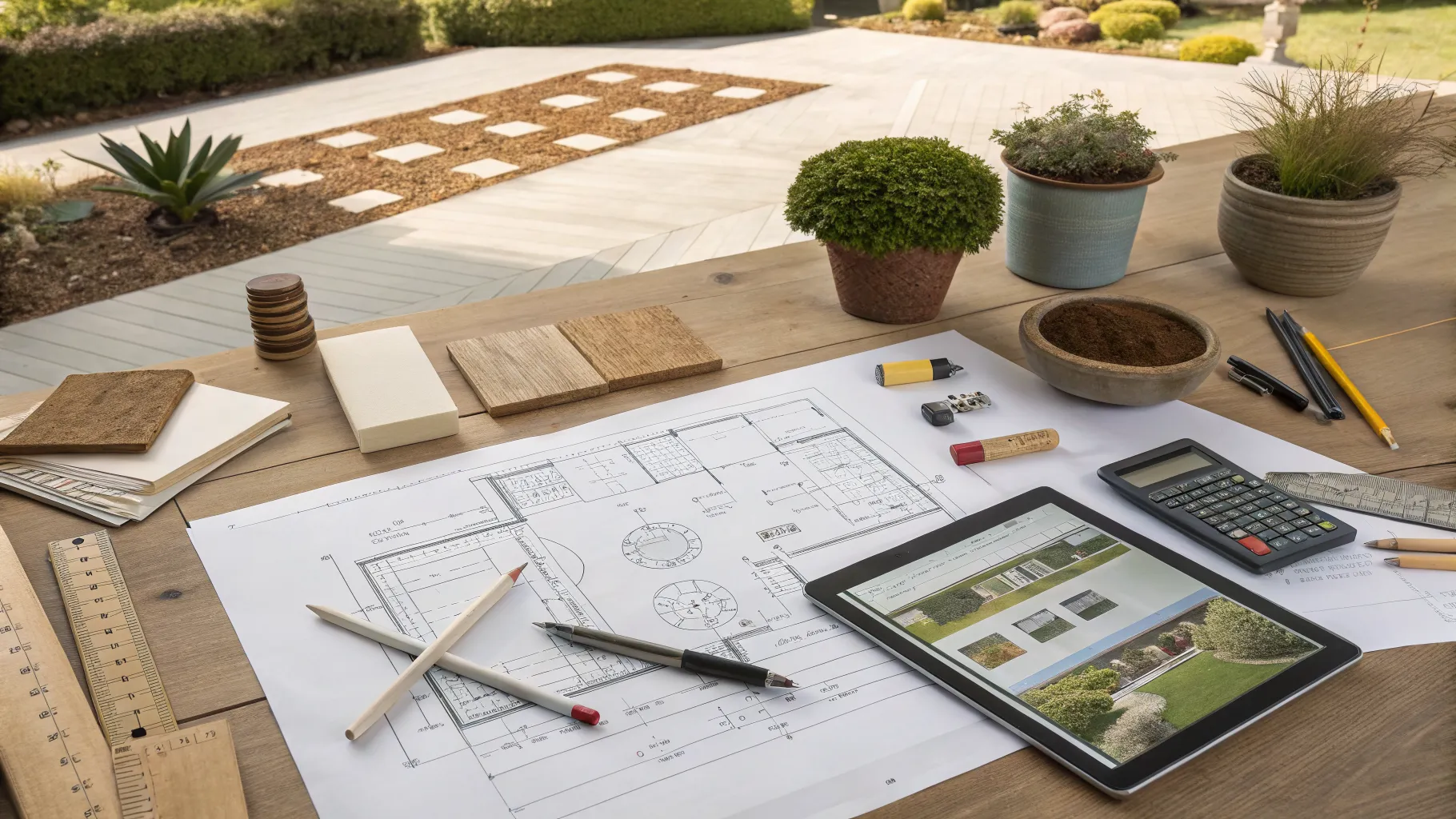
The total garden landscaping costs are a mosaic of many individual components, each contributing significantly to the final price tag. Understanding these factors is crucial for effective budgeting and decision-making. Primarily, the size and complexity of your project play a monumental role. A small front yard refresh will naturally incur lower yard renovation expenses than a complete overhaul of an expansive backyard, which might include intricate hardscaping, custom water features, and extensive planting. The choice of materials also heavily impacts the cost; premium, durable materials like natural stone for patios or exotic plants will elevate the landscape design budget considerably compared to more standard, readily available options. Furthermore, geographic location influences labor rates and material availability, making professional landscaping pricing vary from region to region. The expertise and reputation of your chosen landscape designer or contractor can also command different rates, reflecting their experience and the quality of their work.
Design and Planning Expenses
Before any shovel hits the dirt, the conceptualization phase is a vital part of garden landscaping costs. Engaging a qualified landscape architect or designer is often the first step. Their fees typically cover site analysis, conceptual drawings, detailed master plans, planting plans, and material specifications. These services ensure that your vision is translated into a coherent and functional design, minimizing costly errors down the line. While an initial investment, a professional design can ultimately save money by optimizing material usage and streamlining the construction process. The complexity of the design, including custom features or multi-level layouts, directly correlates with the design fees, forming a significant portion of the initial landscape design budget.
Hardscaping vs. Softscaping
When evaluating outdoor living space investment, it's essential to differentiate between hardscaping and softscaping, as each carries distinct cost implications. Hardscaping refers to non-living elements such as patios, walkways, retaining walls, decks, pergolas, and outdoor kitchens. These elements often involve significant material and labor costs due to their structural nature and installation complexity. Materials like pavers, concrete, natural stone, and wood can range widely in price, affecting the overall yard renovation expenses. Softscaping, on the other hand, involves living elements like trees, shrubs, flowers, and turf. While individual plant costs can vary, the overall expense often depends on the quantity, maturity, and rarity of the plants chosen. Irrigation systems, soil amendments, and mulch also fall under softscaping considerations. A balanced approach considering both aspects can help manage the overall garden landscaping costs.
Managing Your Landscape Design Budget Effectively
Controlling your landscape design budget without compromising on quality requires strategic planning and careful decision-making. One effective approach is to prioritize elements that are most important to you and your lifestyle. For instance, if an expansive patio is a must-have, allocate a larger portion of your budget to that, and perhaps opt for more budget-friendly planting options initially. Phasing your project is another excellent strategy for managing garden landscaping costs. Instead of tackling everything at once, break your project into smaller, manageable stages over several seasons or years. This allows you to spread out the financial outlay and make adjustments as you go. Seeking multiple quotes from different professional landscaping pricing providers can also help you compare services and costs, ensuring you get the best value for your outdoor living space investment. Always inquire about comprehensive quotes that include materials, labor, and any potential hidden fees.
Enhancing Your Outdoor Living Space Investment
Beyond the initial yard renovation expenses, a thoughtfully designed landscape can significantly enhance your property's value and your quality of life. Consider features that offer long-term benefits, such as drought-tolerant plants that reduce water bills, or durable materials that require minimal maintenance. Implementing smart irrigation systems, choosing native plants, and incorporating sustainable drainage solutions can contribute to lower ongoing garden landscaping costs while also being environmentally responsible. Investing in quality lighting can extend the usability of your outdoor spaces into the evening, adding both ambiance and security. Remember, a well-executed landscape is not just an expense but a tangible outdoor living space investment that pays dividends in enjoyment, curb appeal, and property value over time.
Actionable Advice for Lowering Garden Landscaping Costs
- DIY Elements Strategically: While some tasks are best left to professionals, consider tackling smaller, less complex aspects yourself, such as planting flowers, spreading mulch, or even assembling simple raised garden beds. This can significantly reduce labor components of your garden landscaping costs.
- Source Materials Wisely: Explore local nurseries for plants that are native and in season, which are often more affordable and better suited to your climate. For hardscaping materials, inquire about bulk discounts or salvaged options if appropriate for your design.
- Phase Your Project: Instead of undertaking a massive renovation all at once, break your project into smaller, manageable stages. This allows you to spread the yard renovation expenses over time and make adjustments based on your evolving budget and preferences.
- Simplify Your Design: Elaborate designs with complex contours, multiple levels, and extensive custom features naturally drive up landscape design budget. A simpler, elegant design can still be highly effective and more cost-efficient.
- Prioritize Needs vs. Wants: Identify the essential elements for your outdoor space and allocate funds accordingly. Distinguish between 'must-haves' and 'nice-to-haves,' potentially deferring less critical features to a later phase.
- Get Detailed Quotes: Always obtain multiple, itemized quotes from different professional landscaping pricing providers. This allows for a clear comparison of material costs, labor rates, and project timelines, helping you find the best value for your outdoor living space investment.
Frequently Asked Questions
What is the average cost for a complete garden renovation, influencing garden landscaping costs?
The average garden landscaping costs for a complete renovation can range widely, typically from $8,000 to over $50,000, depending on the project's scope, the quality of materials, the complexity of the design, and geographical location. Larger, more intricate projects involving extensive hardscaping and custom features will naturally be at the higher end of this spectrum.
How can I reduce my landscape design budget without sacrificing quality?
To reduce your landscape design budget, consider prioritizing elements, phasing the project, doing some DIY work for simpler tasks, and selecting more affordable yet durable materials. Getting multiple quotes and simplifying the design can also help manage professional landscaping pricing effectively.
Does investing in landscaping increase property value and offset yard renovation expenses?
Yes, a well-executed landscape can significantly increase property value, often providing a high return on yard renovation expenses. Enhanced curb appeal, functional outdoor living spaces, and mature plantings are attractive to potential buyers, making your outdoor living space investment a worthwhile one.
References
- The American Society of Landscape Architects (ASLA) - Research on project costs and returns.
- National Association of Landscape Professionals (NALP) - Industry statistics and best practices.
- Local Landscape Design Firms - Project portfolios and regional cost averages.