Vulvar Psoriasis Guide: Signs and Causes
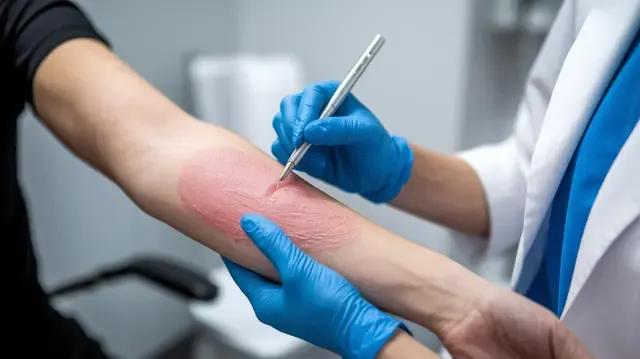
Understanding Vulvar Psoriasis Symptoms
Vulvar psoriasis, a condition affecting the external genital area, presents unique challenges. Often mistaken for other skin disorders, it's important to recognize its signs. Generally, vulvar psoriasis doesn't manifest with traditional scales because of the moist environment, which makes it harder to diagnose.
The symptoms can vary, often causing discomfort rather than severe symptoms. Look out for well-defined red patches, shiny skin lesions, and occasional itching. Unlike other psoriasis types, these lesions may not appear as thick, reflecting the delicate nature of the vulvar skin. In fact, the subtlety of these appearances can sometimes delay appropriate diagnosis and treatment. Therefore, if you notice changes in this sensitive area, seeking medical advice is crucial.
Why Accurate Diagnosis Matters
Differentiating vulvar psoriasis from other conditions like eczema, fungal infections, or lichen sclerosus requires expertise. A 2023 study published in the Journal of Dermatology highlighted that misdiagnosis is frequent, which can lead to ineffective treatments and prolonged discomfort. Hence, consultation with a dermatologist or a specialist in vulvar health is recommended for anyone experiencing symptoms.
It's vital to remember that emotional and psychological impacts are just as significant as physical ones. Women experiencing vulvar psoriasis may face challenges related to self-esteem and sexual health, underscoring the importance of supportive care and counseling when necessary.
Exploring Genital Psoriasis Causes
The precise causes of genital psoriasis, including vulvar psoriasis, remain somewhat enigmatic. However, recent research continues to uncover potential triggers and contributing factors. Genetics undoubtedly play a role, with many individuals having a family history of psoriasis. However, environmental factors like stress, infections, or injuries to the skin can exacerbate the condition.
Moreover, hormonal fluctuations are increasingly recognized as a factor in women. For instance, puberty, pregnancy, or menopause may coincide with the onset or worsening of symptoms. A 2023 case study suggests that as many as 30% of women observed alterations in their psoriasis patterns during these life stages.
Addressing Lifestyle Contributors
Lifestyle can also influence psoriasis. High-stress levels, smoking, and alcohol consumption are known contributors. The National Psoriasis Foundation emphasizes the importance of a balanced lifestyle that includes stress management, regular exercise, and a healthy diet for managing symptoms more effectively. Such holistic approaches not only aid overall health but can attenuate the severity of flare-ups.
Additionally, focusing on skin care for sensitive areas is pivotal. Gentle, fragrance-free products are advised to avoid irritation in the vulvar region. Regular moisturizing helps maintain skin barrier function, reducing the likelihood of irritation or infection.
How to Treat Vulvar Psoriasis
Treating vulvar psoriasis requires a nuanced approach. Over-the-counter topical treatments, including emollients and mild corticosteroids, may be recommended. For persistent cases, dermatologists might prescribe stronger corticosteroids or topical calcineurin inhibitors, as these have shown efficacy without the thinning side effects of steroids.
There's also a promising rise in biologic treatments, which target specific immune pathways involved in psoriasis. According to a 2023 review in Clinical Dermatology, biologics are becoming a mainstay for those with moderate to severe psoriasis forms, aiming to reduce symptoms more comprehensively.
Complementary therapies, including phototherapy, can also be beneficial, although care must be taken in sensitive areas due to the risk of burns or irritation. Always consult with a specialist to tailor the treatment plan to individual needs and sensitivities.
Managing Psoriasis in Women
For women managing vulvar psoriasis, establishing a supportive healthcare relationship is key. Open communication with healthcare providers about symptoms, treatment preferences, and concerns can optimize care.
Furthermore, because psoriasis can significantly affect quality of life, emotional support and therapy can be invaluable, especially given the intimate nature of vulvar psoriasis. Support groups, whether in-person or online, offer a space to share experiences and strategies, reinforcing a sense of community and understanding.
Ultimately, ongoing research offers hope. With continued advancements in both understanding and treating psoriasis, the future looks promising for those impacted by this condition, highlighting the importance of staying informed and proactive in managing one's health.