Understanding Hip Bursitis Symptoms and Treatments
What is Hip Bursitis?
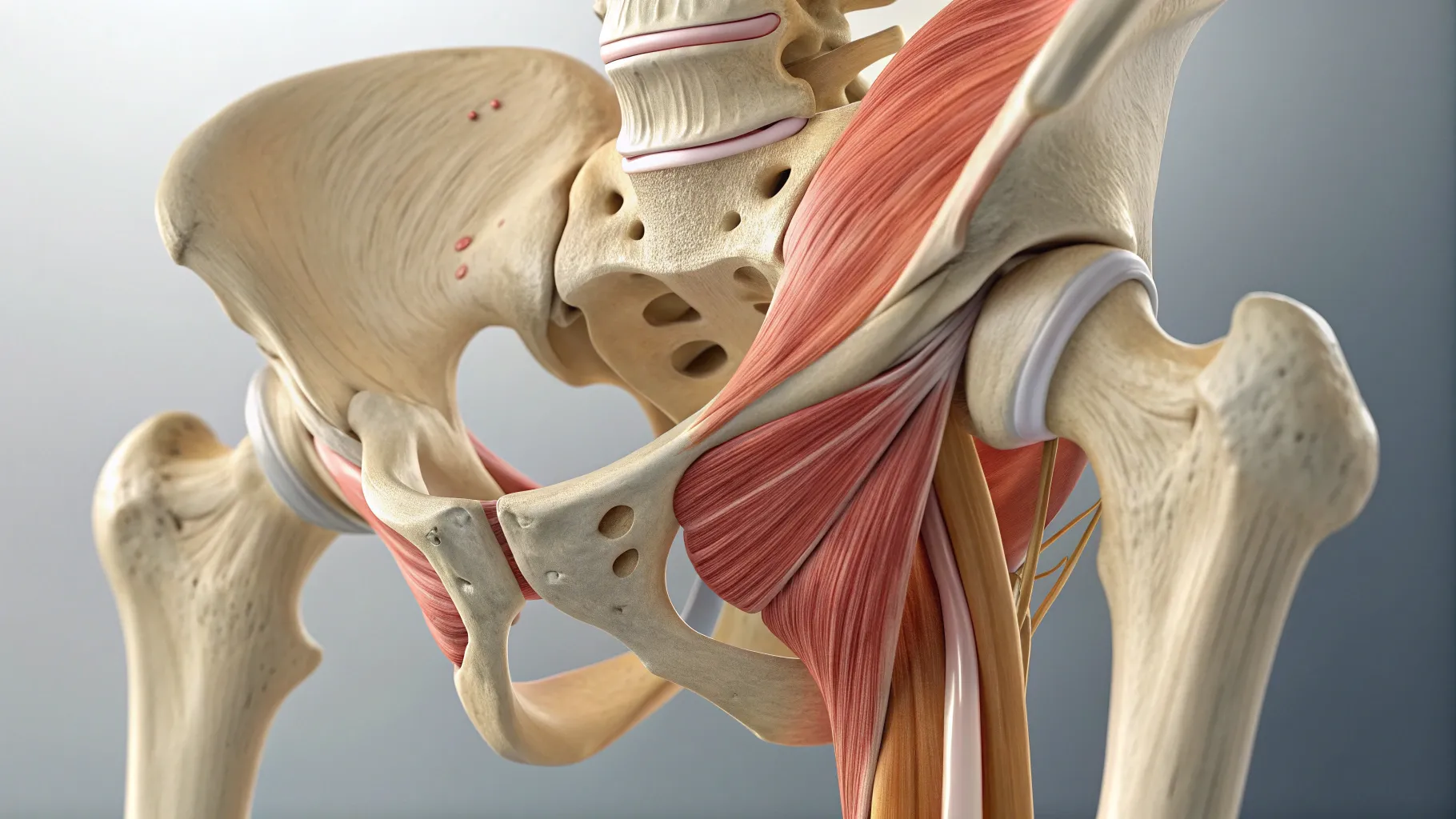
Hip bursitis is a common yet often misunderstood condition that arises from inflammation of the bursae. Bursae are small, fluid-filled sacs located throughout the body, acting as cushions for bones, tendons, and muscles around joints. When these sacs near the hip joint become inflamed, it leads to discomfort, pain, and tenderness, especially in and around the greater trochanteric bursa located on the outer side of the hip. This inflammation can significantly affect mobility and overall quality of life.
The Causes Behind Hip Bursitis
The development of hip bursitis can stem from various factors, and understanding these can help in prevention and treatment. Here are the primary causes identified in recent health studies:
- Overuse Injury: Engaging in repetitive activities such as running, cycling, or even long hours of standing can cause strain on the hip bursae.
- Trauma: A direct impact or fall can trigger inflammation, leading to acute bursitis.
- Age-related Changes: The risk of developing bursitis tends to increase with age due to natural changes in the body.
- Preexisting Conditions: Health issues like osteoarthritis or rheumatoid arthritis can predispose individuals to bursitis.
- Leg Length Discrepancy: An uneven gait caused by different leg lengths can create undue pressure on the hip region.
Identifying Symptoms of Hip Bursitis
Recognizing the symptoms of hip bursitis is crucial for early intervention and effective management. Some common indicators include:
- Pain: Many describe the pain as sharp or aching, particularly on the outside of the hip or thigh. This discomfort may worsen during activities.
- Tenderness: There can be heightened sensitivity around the hip joint, especially noticeable while lying on the affected side.
- Swelling: Mild swelling may be present around the joint, signaling inflammation.
- Mobility Limitations: Some individuals may find it challenging to perform certain movements, such as climbing stairs or getting out of cars.
- Worsening Pain: Patients often report increased pain during prolonged activities or after extended periods of rest.
Diagnostic Approaches for Hip Bursitis
Proper diagnosis is essential for effective treatment. Typically, healthcare providers employ a series of assessments, including:
- Comprehensive Medical History: Discussing symptoms and any past injuries can provide insights into the condition.
- Physical Examination: A thorough examination to assess range of motion, tenderness, and areas of discomfort.
- Imaging Tests: X-rays or MRIs help exclude other potential issues, like fractures or joint problems, that may mimic bursitis.
- Ultrasound: This imaging technique may be utilized to visualize the bursa, checking for swelling or fluid accumulation.
Effective Treatment Options for Hip Bursitis
Treating hip bursitis often involves a combination of self-care, medical treatment, and physical therapy aimed at reducing inflammation and easing pain. Here are some prevalent methods currently in use:
The Role of Physical Therapy
Physical therapy is highly recommended and considered one of the most effective strategies for managing hip bursitis. A skilled therapist licensed in outpatient care will create a personalized treatment plan that includes:
- Stretching Exercises: Designed to enhance flexibility in the hip muscles, helping mitigate tightness.
- Strengthening Routines: These focus on bolstering the hip and thigh muscles, thus supporting the joint better.
- Manual Therapy Techniques: This involves hands-on treatment to help relieve tension in the soft tissues around the hip.
- Activity Adjustments: Educating patients on how to perform daily activities in ways that minimize stress on their hips.
Recent surveys reveal that approximately 80% of those who engage in physical therapy experience notable improvement in their symptoms within just a couple of months.
Topical Pain Relief Creams
Another effective approach includes using topical pain relief creams. Many contain natural ingredients like menthol or capsaicin or may include nonsteroidal anti-inflammatory drugs (NSAIDs). These creams can offer several benefits:
- Immediate Pain Alleviation: Providing rapid relief at the site of pain can make a significant difference in everyday life.
- Localized Treatment: Unlike oral medications, topical creams target the affected area directly.
- Improved Mobility: Less pain often allows patients to engage more fully in physical therapy sessions.
Cortisone Injections for Relieving Pain
When more conservative treatments fail to yield satisfactory results, medical professionals may recommend cortisone injections directly into the inflamed bursa. Cortisone is a powerful anti-inflammatory that helps to:
- Reduce Inflammation: Offering quick relief from the swelling around the bursa.
- Decrease Pain Levels: Many patients find they can regain mobility and return to normal activities after receiving an injection.
- Prolonged Relief: Patients may experience extended periods of symptom relief, allowing for improved quality of life.
It's important to approach cortisone use cautiously, as overuse can lead to potential side effects. However, for many, the benefits greatly outweigh the risks.
The ongoing research into hip bursitis continues to yield promising results, with advancements in treatment modalities making this condition more manageable than ever. As awareness about hip bursitis rises, health professionals are better equipped to assist patients. Additionally, individuals experiencing symptoms are encouraged to actively seek help and employ strategies that promote healing and improve their overall quality of life.