Understanding Hip Bursitis Symptoms Causes and Treatments
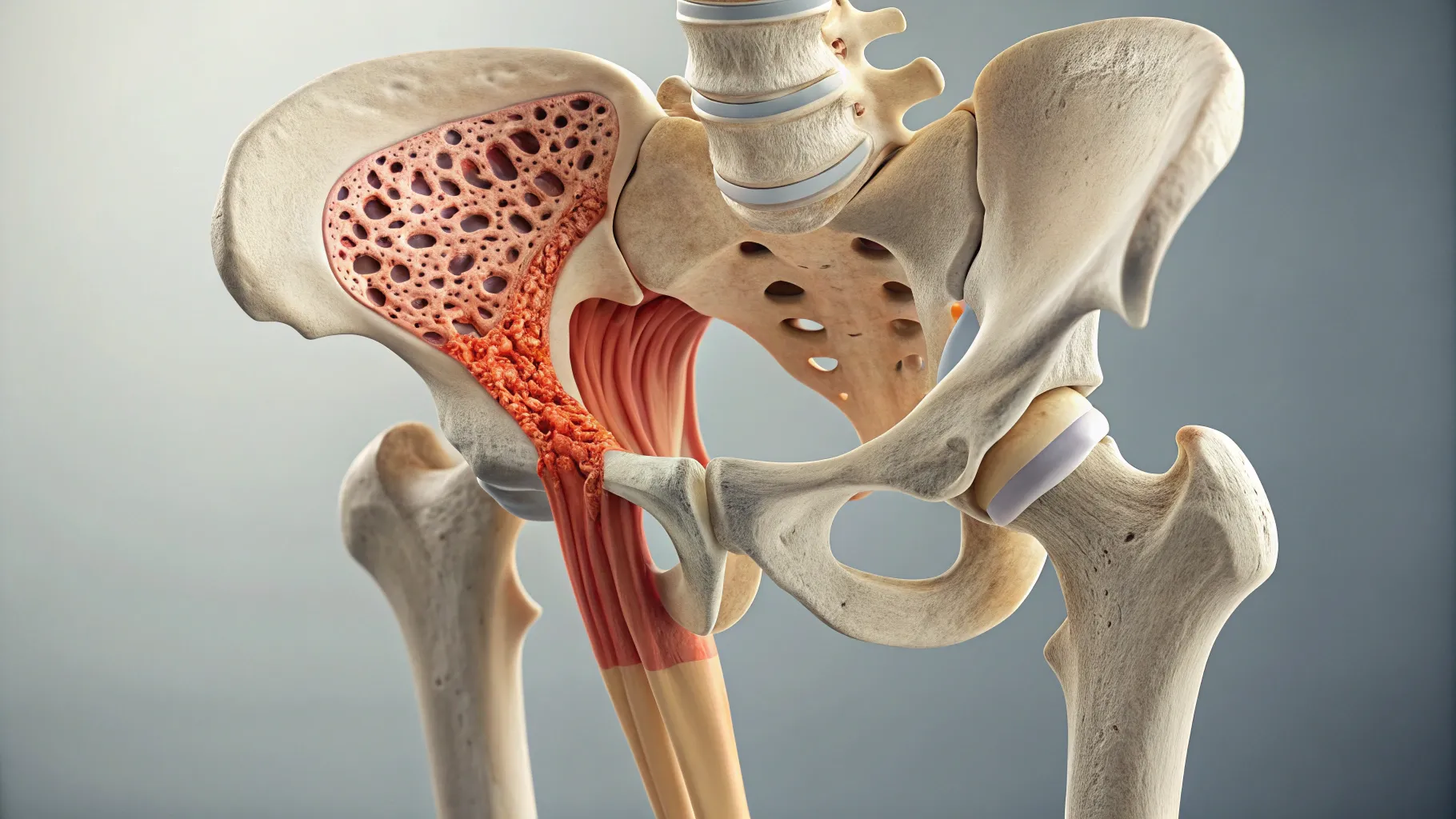
Understanding Hip Bursitis
Hip bursitis is a prevalent issue affecting many people today. This condition occurs when the bursae, those small fluid-filled sacs that cushion the bones, tendons, and muscles near the hip joint, become inflamed. According to recent studies, nearly 15% to 20% of individuals experience hip bursitis at some point in their lives, with a significant number of cases emerging in people aged 40 to 60. The inflammation is usually a result of ongoing strain from repetitive activities or acute injuries. This article will delve deeper into what hip bursitis is, how it develops, its symptoms, and the most effective treatment options.
What is Hip Bursitis and How Does it Develop?
Bursitis refers to inflammation of the bursae, small structures that serve as cushions, allowing smooth motion between bones and surrounding soft tissues in the hips. When these bursae become irritated or inflamed, it leads to discomfort, restricting mobility in the hip joint. Several factors can lead to hip bursitis. Understanding these causes can help you take proactive steps toward prevention, particularly if you fall into a high-risk category.
- Repetitive Motions: Regular activities like running, cycling, or even gardening can create stress on the bursae, leading to irritation.
- Trauma: A direct blow or fall onto the hip can trigger an inflammatory response, causing discomfort and pain.
- Underlying Health Conditions: People suffering from conditions like rheumatoid arthritis or gout are more susceptible to developing hip bursitis.
Each of these factors underscores the importance of recognizing risk factors to mitigate potential injury. For example, a recent study conducted in early 2025 found that athletes, particularly runners, showcased a 30% higher incidence of hip bursitis compared to sedentary individuals as they often engage in repetitive motions.
Common Symptoms of Hip Bursitis
Identifying hip bursitis can be essential for effective management. Its symptoms often resemble those of other hip problems, making it crucial to be aware of the key indicators.
- Pain on the Outer Hip: This is typically the most common symptom, especially noticeable when lying on the affected side or transitioning from sitting to standing.
- Soreness During Activity: Movements such as walking, climbing stairs, or engaging in exercises often exacerbate pain, signaling a potential issue.
- Swelling and Tenderness: Some individuals observe swelling around the hip area, making it sensitive to touch.
If you experience these symptoms persistently, seeking medical advice is crucial. Early intervention often leads to more effective treatment. A report from early 2025 emphasized that individuals who seek treatment within the first few weeks of symptoms tend to recover faster due to prompt management of inflammation.
Differences Between Hip Bursitis and Joint Pain
While hip bursitis can induce joint pain, distinguishing between general joint pain and bursitis is vital for directing appropriate treatment. Joint pain is frequently linked to conditions such as arthritis, manifesting through direct pain in the joint itself. This type of pain may have distinct characteristics including:
- Stiffness: A common sign associated with arthritis is stiffness, particularly noticeable in the mornings or after prolonged inactivity.
- Grinding or Popping Sensations: Noises during movement could indicate an underlying joint issue rather than bursitis.
In contrast, hip bursitis typically presents with localized pain on the outside of the hip, without significant stiffness or auditory sensations. Recognizing these differences is essential for healthcare professionals to formulate effective treatment strategies.
Hip Bursitis Treatment
The approach to treating hip bursitis can involve various strategies, largely dependent on the underlying cause and the severity of symptoms. Staying informed about these treatment options can empower individuals experiencing discomfort.
- Rest and Ice: One primary method for relieving symptoms is to rest the affected area and apply ice to minimize inflammation.
- Physical Therapy: Consulting a physical therapist can be highly beneficial. They can tailor a program featuring specific stretches and strengthening exercises focused on enhancing mobility without aggravating the bursitis.
- Medications: Common over-the-counter anti-inflammatory drugs like ibuprofen or naproxen can be effective in alleviating pain. In certain instances, doctors may prescribe stronger medication for severe pain.
- Corticosteroid Injections: In cases of persistent pain, a corticosteroid injection may be considered to reduce inflammation significantly.
- Surgical Options: Although rare, if conservative treatments do not yield results, a surgical procedure to remove the inflamed bursa could be suggested as a last resort.
Staying aware of your body's signals and noticing any changes is crucial for managing conditions like hip bursitis. Participation in regular low-impact physical activities can strengthen the muscles surrounding the hip joint, helping to prevent future issues. For instance, engaging in yoga or swimming can bolster muscle support without imposing unnecessary strain.
Overall, understanding hip bursitis is vital for maintaining hip health. Awareness regarding how it develops, recognizing common symptoms, distinguishing it from other joint-related issues, and exploring effective treatment options can significantly enhance one's quality of life. Proactively seeking knowledge and implementing sound strategies for hip care can help manage or even prevent this painful condition.