A Guide to River Cruises Along the Thames for Retirees
For many older adults, traveling provides a wonderful opportunity to relax and explore new surroundings at a comfortable pace. A river cruise along the Thames offers a unique vantage point to witness the historic landscapes of the United Kingdom without the stress of constant packing and relocation.
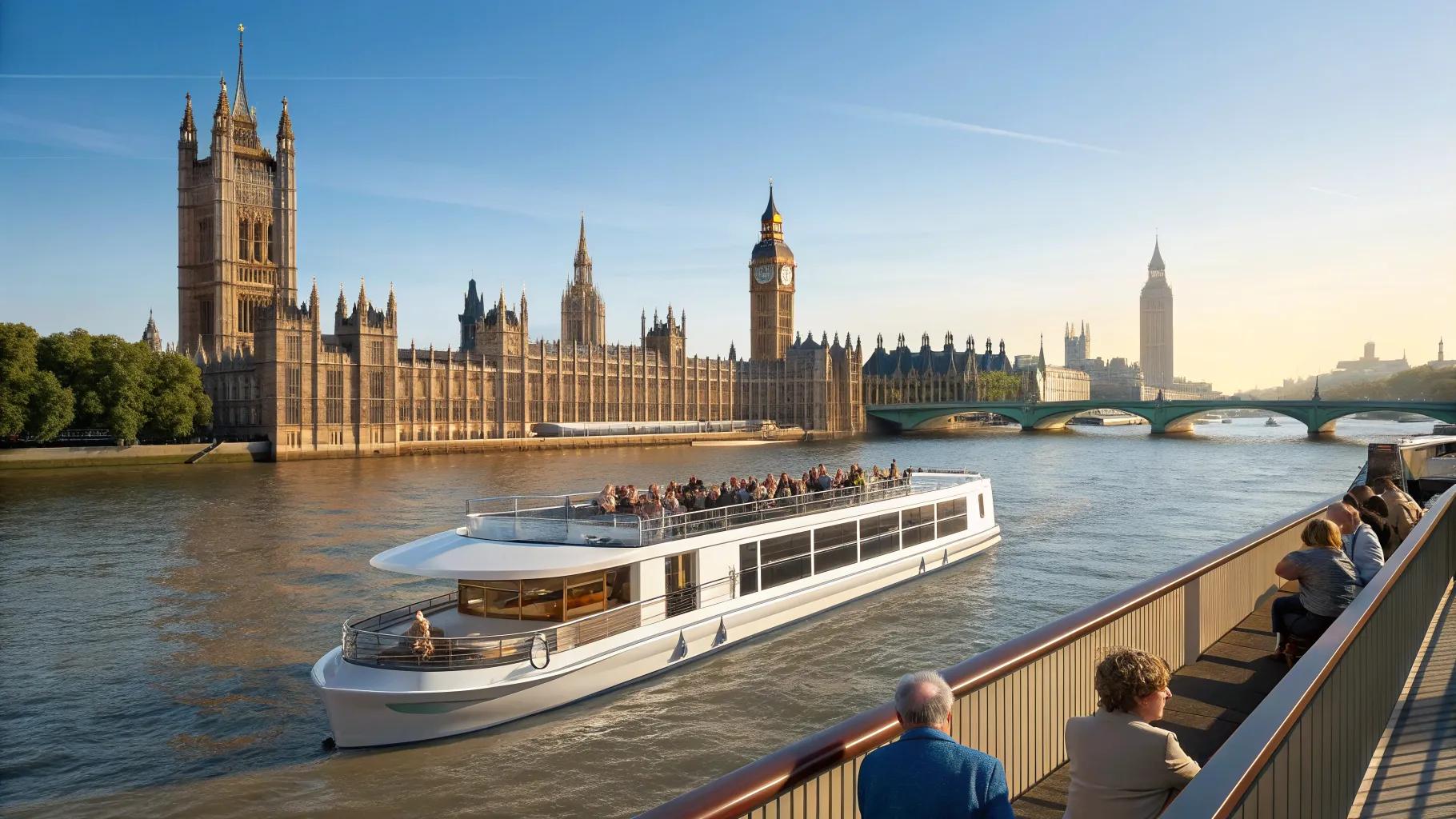
The Appeal of Thames River Cruises for Retirees
River cruises for retirees have grown in popularity due to their leisurely pace and focus on cultural enrichment. Unlike massive ocean liners, river vessels are smaller and more intimate. This creates a calmer environment that allows passengers to enjoy the passing scenery in peace.
The River Thames itself is steeped in centuries of history. Drifting along its waters provides an effortless way to view picturesque villages, rolling countryside, and iconic landmarks. Many seniors find this mode of travel highly appealing because it eliminates the physical strain often associated with walking tours or navigating public transportation.
Popular Routes and Historic Landmarks
Thames river cruises typically offer a variety of itineraries that cater to different interests. Some routes focus entirely on the heart of London, while others venture further out into the serene English countryside. Knowing the types of sights available can help travelers choose the best possible journey.
- Central London Landmarks: Many boats glide past the Tower of London, the Houses of Parliament, and the London Eye.
- Royal Residences: Windsor Castle is a frequent highlight on longer itineraries.
- Oxfordshire Countryside: Upper Thames routes often showcase tranquil meadows and charming historic towns like Henley on Thames.
Understanding Onboard Accessibility and Comfort
When looking into Thames cruises for seniors, accessibility is a primary consideration for many travelers. Modern river cruise operators design their vessels with older adults in mind. The decks are generally flat and easy to navigate, reducing the risk of trips and falls while moving about the ship.
Furthermore, many boats are equipped with elevators or stairlifts between main decks, making them suitable for passengers with limited mobility. Cabins and washrooms are often fitted with grab bars and non-slip flooring. It is always advisable to verify the specific accessibility features of a vessel before making a reservation to ensure it meets individual mobility needs.
Dining and Onboard Entertainment
Culinary experiences play a major role in UK river cruises, with many operators placing a strong emphasis on high-quality, locally sourced ingredients. Dining rooms on these vessels are typically designed to provide panoramic views of the river, ensuring that passengers never miss a moment of the scenery while enjoying their meals.
- Traditional Afternoon Tea: A staple on many Thames cruises, complete with scones, clotted cream, and finger sandwiches.
- Multi-course Dinners: Evening meals often feature regional British dishes paired with international wines.
- Informative Lectures: Entertainment often leans toward the educational, featuring historians or local experts discussing the heritage of the Thames.
Choosing the Right Time of Year to Travel
The British weather can be highly unpredictable, making timing an important factor when planning a river trip. The most popular season for a Thames cruise runs from late spring through early autumn. During these months, travelers are more likely to experience mild temperatures and longer daylight hours.
May and September are often considered ideal times for a retiree cruise guide to recommend. These shoulder months offer a pleasant balance of good weather and fewer tourist crowds. Winter cruises are less common and can be quite chilly, though some operators run special festive sailings around the holidays that offer a uniquely cozy atmosphere.
Practical Considerations and Booking Tips
Before committing to a specific cruise, retirees should take time to review the itinerary details and what is included in the fare. Some packages are fully all-inclusive, covering meals, excursions, and gratuities, while others operate on an a la carte basis. Understanding these distinctions helps avoid unexpected expenses during the trip.
It is also wise to consider the duration of the cruise. Options range from brief afternoon sightseeing tours to comprehensive week-long journeys where passengers sleep on board. Shorter day cruises might be perfect for those staying in a London hotel, while longer voyages appeal to travelers wanting a dedicated, floating base camp for their entire vacation.