The 2026 Toyota RAV4: What to Expect from the Next Generation
As one of the best-selling vehicles in North America, the Toyota RAV4 holds a significant position in the automotive market. The current generation has been a massive success since its debut, but with the rapid evolution of technology and design in the compact SUV segment, a refresh is on the horizon. Industry experts and automotive enthusiasts are looking toward the 2026 model year for the arrival of the sixth-generation RAV4, which is expected to bring a host of substantial upgrades inside and out.
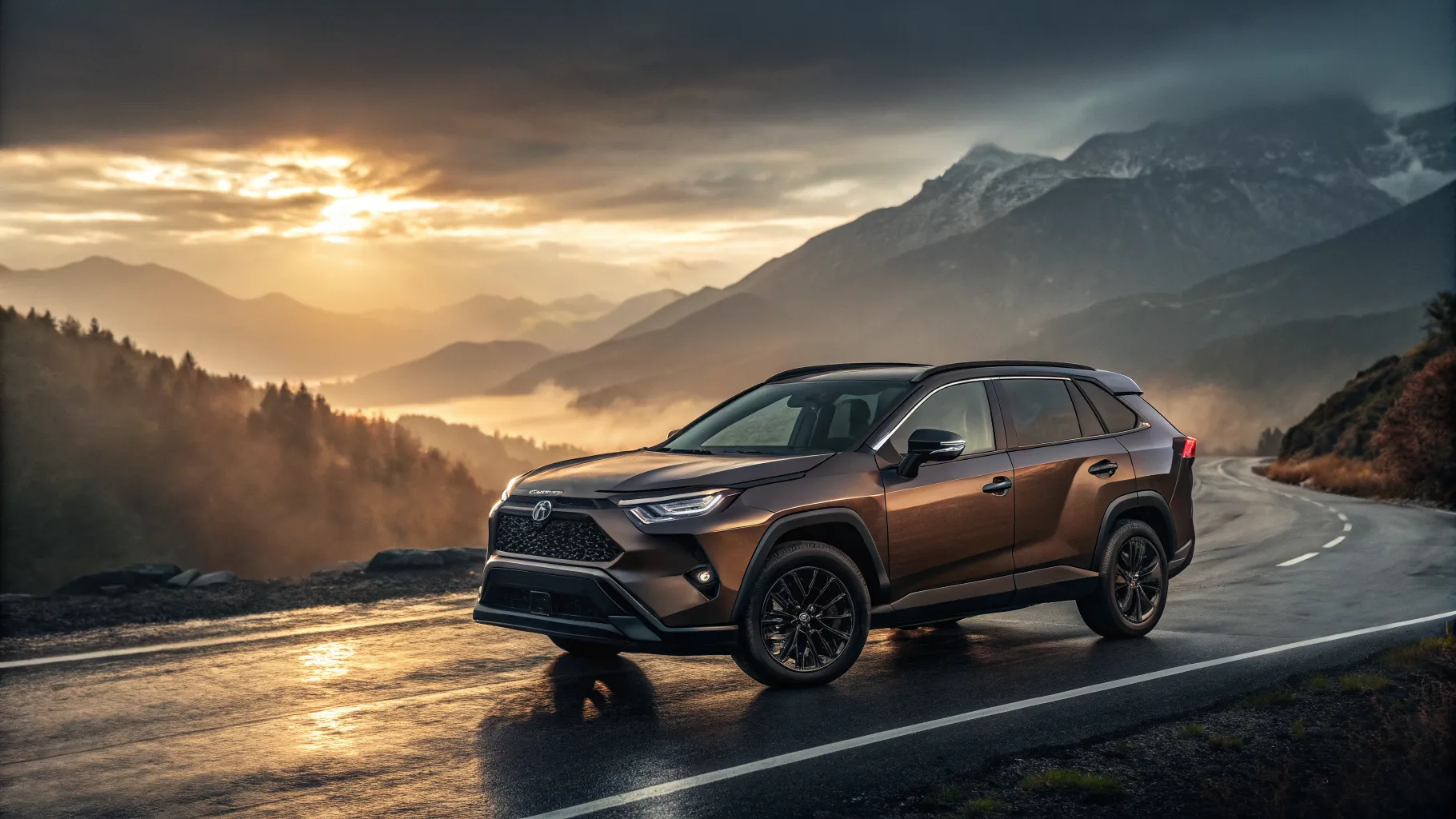
A New Foundation and Redesigned Look
The next-generation RAV4 is widely expected to be built on an updated version of the Toyota New Global Architecture (TNGA-K) platform. This versatile foundation is already used by other successful Toyota models like the Camry and Highlander, and an evolution of this platform would likely bring improved chassis rigidity, a more comfortable ride, and enhanced handling dynamics. A stiffer frame not only improves safety but also provides a better base for suspension tuning, potentially making the 2026 RAV4 both more capable and more enjoyable to drive.
Aesthetic changes are also a near certainty. Expect the 2026 RAV4 to adopt a more rugged and modern design language, drawing inspiration from newer Toyota vehicles like the Tacoma and Grand Highlander. This could translate to a more upright grille, squared-off wheel arches, and more aggressive LED lighting signatures. The goal would be to give the RAV4 a tougher, more assertive presence that aligns with the growing trend of off-road-inspired styling in the SUV market.
Evolution of Powertrain Options
Toyota has been a leader in hybrid technology for decades, and the 2026 RAV4 is expected to feature the company's fifth-generation hybrid system. This updated system, already seen in vehicles like the latest Prius and Corolla Cross Hybrid, should deliver a noticeable improvement in both fuel efficiency and performance. Shoppers can likely anticipate a slight bump in combined horsepower along with a few extra miles per gallon, making an already efficient vehicle even more economical.
The popular RAV4 Prime, the plug-in hybrid (PHEV) variant, will almost certainly continue to be a flagship model. It could also receive an updated powertrain that offers an extended all-electric driving range, potentially pushing it beyond the current 42-mile estimate. There is also speculation about the standard gasoline engine. While the current 2.5-liter four-cylinder is reliable, Toyota may introduce a new, more efficient turbocharged engine for the non-hybrid trims to better compete with rivals.
A Tech-Forward Interior Experience
The cabin of the 2026 RAV4 is poised for a significant technological leap. The current model's infotainment system is functional, but the next generation will likely adopt the larger, more intuitive touchscreens found in newer Toyotas. It would be reasonable to expect a standard 8-inch screen on lower trims and a large 12.3-inch or even 14-inch display on higher-end models, running Toyota's latest Audio Multimedia software with wireless Apple CarPlay and Android Auto.
Beyond the central screen, a fully digital instrument cluster is also a strong possibility, replacing the traditional analog gauges for a more modern and customizable driver display. Material quality is another area where improvements are expected, with more soft-touch surfaces and refined trim pieces to give the cabin a more premium feel. Comfort and convenience features, such as additional USB-C ports, improved storage solutions, and perhaps a panoramic sunroof option on more trims, will round out the interior upgrades.
Enhanced Safety and Driver-Assist Systems
Safety is a top priority for Toyota, so the 2026 RAV4 will almost certainly come standard with an updated version of Toyota Safety Sense (TSS). The most likely candidate is TSS 3.0, which is already being rolled out across the Toyota lineup. This suite of driver-assist technologies brings several enhancements over the previous version.
Key improvements within TSS 3.0 often include:
- An expanded Pre-Collision System with improved motorcycle and guardrail detection.
- Proactive Driving Assist, which provides gentle braking and steering support to help manage distance between vehicles or navigate curves.
- Lane Tracing Assist with more natural, centered lane-keeping capabilities.
- Full-Speed Range Dynamic Radar Cruise Control that feels smoother and more responsive in traffic.
New and Refined Trim Levels
The current RAV4 trim lineup offers something for nearly everyone, from the basic LE to the luxurious Limited and the off-road-oriented Adventure and TRD Off-Road models. For 2026, Toyota will likely refine this structure and may even introduce new variants. Given the brand's recent focus on a more rugged image, there is strong speculation that the RAV4 could receive a Trailhunter trim.
A Trailhunter model would be positioned as a more serious, factory-built overlanding vehicle, potentially featuring all-terrain tires, specialized suspension, steel skid plates, and other rugged accessories. This would cater to a growing market of buyers who want enhanced off-road capability straight from the dealership. Meanwhile, other trims like the sporty XSE Hybrid will likely continue, offering unique styling and suspension tuning for on-road performance.
What to Anticipate for Release and Pricing
While Toyota has not made an official announcement, the typical automotive development cycle suggests that the redesigned 2026 Toyota RAV4 could be revealed sometime in late 2024 or early 2025. This would position it to arrive in showrooms by the middle to end of 2025 as a 2026 model year vehicle. This timeline aligns with the current generation's age and the competitive pressures within the compact SUV segment.
As for pricing, it is reasonable to expect a modest increase across the board to account for the new design, enhanced technology, and updated powertrains. The price walk between trim levels will likely remain similar, with hybrid and PHEV models commanding a premium over their gasoline-only counterparts. The final pricing structure will become clear closer to the official launch date, but it should remain competitive within its class.