A Guide to Overnight Driving Jobs: What You Need to Know
Driving through the quiet, open roads of the night can be a unique and rewarding career path for the right person. Overnight driving jobs are a critical part of the modern economy, ensuring goods and people reach their destinations while the rest of the world sleeps. This guide explores the various facets of this line of work, offering a realistic look at what you can expect.
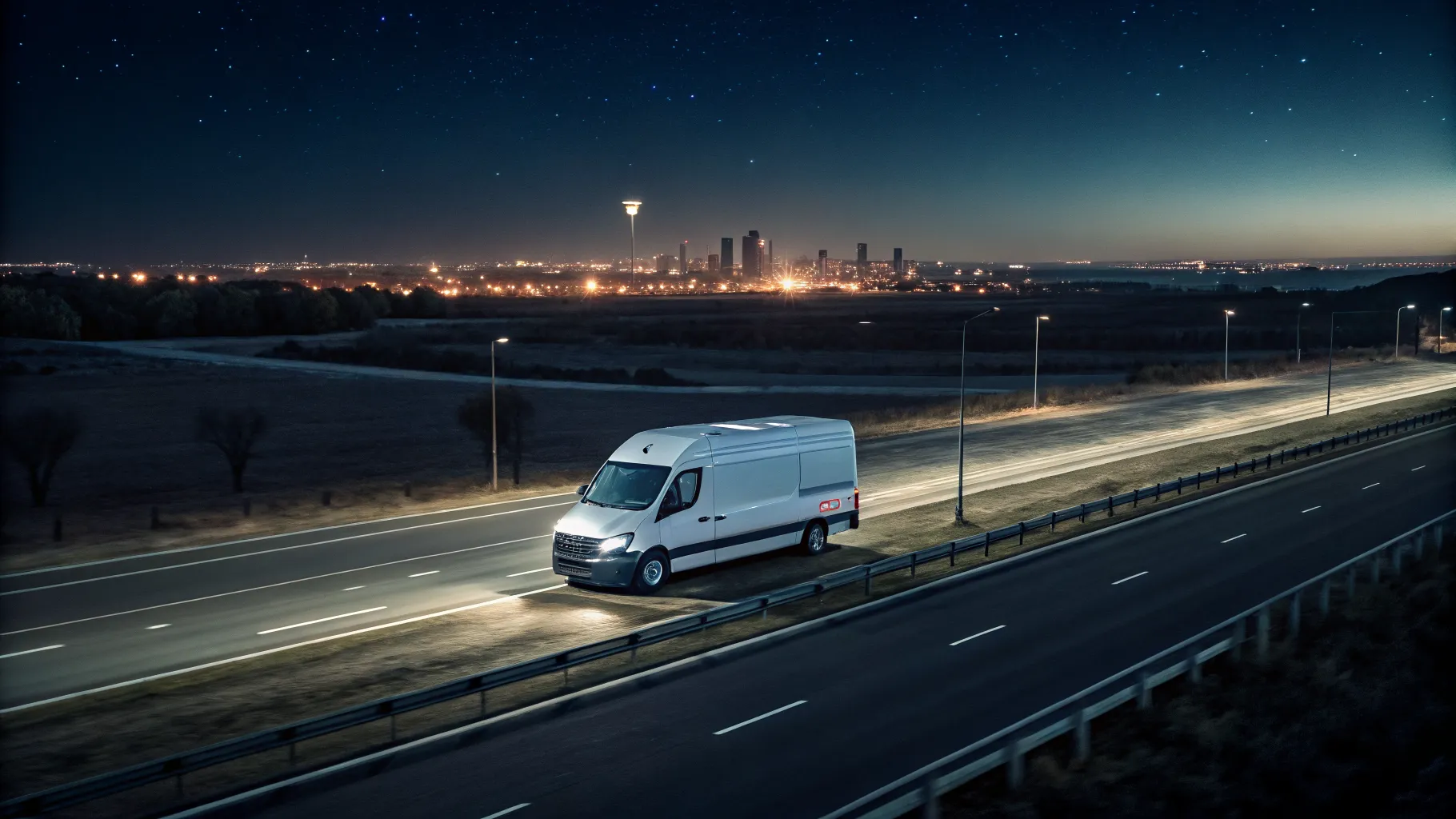
What Constitutes Overnight Driving Work?
Overnight driving work encompasses any job that requires operating a vehicle primarily during late-night and early-morning hours. This is a broad category that goes far beyond the classic image of a long-haul trucker. These roles are essential for industries like logistics, e-commerce, public transportation, and emergency services, which operate 24 hours a day.
The primary function of these jobs is to leverage the off-peak hours when there is significantly less traffic on the roads. This allows for more efficient transportation of goods and faster response times for services. Whether it involves moving freight across state lines, delivering packages to distribution centers, or transporting passengers, the core of the job is safe and timely operation of a vehicle in low-light conditions.
Common Types of Overnight Driving Roles
The field of overnight driving is diverse, with several distinct roles that cater to different skill sets and license types. Understanding these options is the first step in determining if this career path is a good fit for you.
- Long-Haul Truck Driving (OTR): This is perhaps the most well-known overnight driving job. Over-the-road truckers transport large quantities of goods across long distances, often spending multiple nights away from home. A Commercial Driver's License (CDL) is required.
- Local Delivery and Courier Services: With the rise of e-commerce, the demand for drivers to transport packages between warehouses, distribution centers, and post offices overnight has surged. These roles typically involve smaller trucks or vans and allow the driver to be home every day.
- Medical Transport: This specialized field involves transporting non-emergency medical supplies, lab specimens, or organs between hospitals and clinics. It requires a high degree of reliability and adherence to strict schedules.
- Rideshare and Taxi Services: In major cities, there is a constant demand for transportation, even in the early hours of the morning. Drivers cater to late-shift workers, travelers heading to airports, and people enjoying the nightlife.
- Public Transit Operators: Bus and train operators often work overnight shifts to serve communities that require 24/7 transportation options.
The Advantages of Working the Night Shift
While a nocturnal schedule is not for everyone, it comes with a unique set of benefits that many drivers find appealing. One of the most significant advantages is the reduction in traffic. Navigating highways and city streets is often much easier and less stressful at night, which can lead to faster travel times and better fuel efficiency.
Many companies also offer a shift differential, which is a pay premium for working less desirable hours. This can result in higher earnings compared to daytime counterparts. Furthermore, overnight work often involves more autonomy. With fewer supervisors and office staff on duty, drivers frequently enjoy a greater sense of independence and responsibility as they manage their routes and schedules.
The Challenges and Downsides to Consider
The primary challenge of overnight driving is adapting to a non-traditional sleep schedule. Working against the body's natural circadian rhythm can lead to fatigue and may have long-term health implications if not managed properly. Maintaining a healthy sleep routine is crucial for safety and well-being.
Safety can also be a greater concern at night. Reduced visibility, an increased presence of impaired drivers on the road, and the potential for encountering wildlife all add to the risk. Additionally, the solitary nature of the job can lead to feelings of isolation. Access to amenities like restaurants and repair shops is also more limited during late-night hours, which requires drivers to be more self-sufficient.
Essential Qualifications and Skills
The qualifications for overnight driving jobs vary depending on the specific role. For any position involving large trucks or buses, a Commercial Driver's License (CDL) is a mandatory requirement. For most other driving jobs, a standard driver's license and a clean driving record are the baseline. Many employers will conduct background checks and drug screenings.
Beyond licensing, successful overnight drivers possess strong self-discipline and time management skills to stay on schedule without direct supervision. They must be vigilant and alert, with the ability to remain focused for long periods. Problem-solving skills are also valuable for handling unexpected situations like mechanical issues or route detours when support resources are limited.
Finding and Preparing for an Overnight Driving Job
Opportunities for overnight driving can be found on major online job boards, specialized logistics and trucking job sites, and directly on the websites of transportation companies. Networking with other drivers can also provide leads on reputable employers. When evaluating potential jobs, look closely at the pay structure, schedule, type of equipment provided, and the company's safety record.
If you are considering a transition to night work, it is important to prepare for the lifestyle change. Start by adjusting your sleep schedule gradually before your first shift. Invest in blackout curtains and other tools to create an optimal daytime sleeping environment. Plan your meals in advance, as healthy food options can be scarce on the road at night. Finally, communicate with family and friends about your new schedule to manage social expectations and maintain important relationships.