Spinal Stenosis: Symptoms Causes and Treatment Options
Understanding Spinal Stenosis and Its Impact
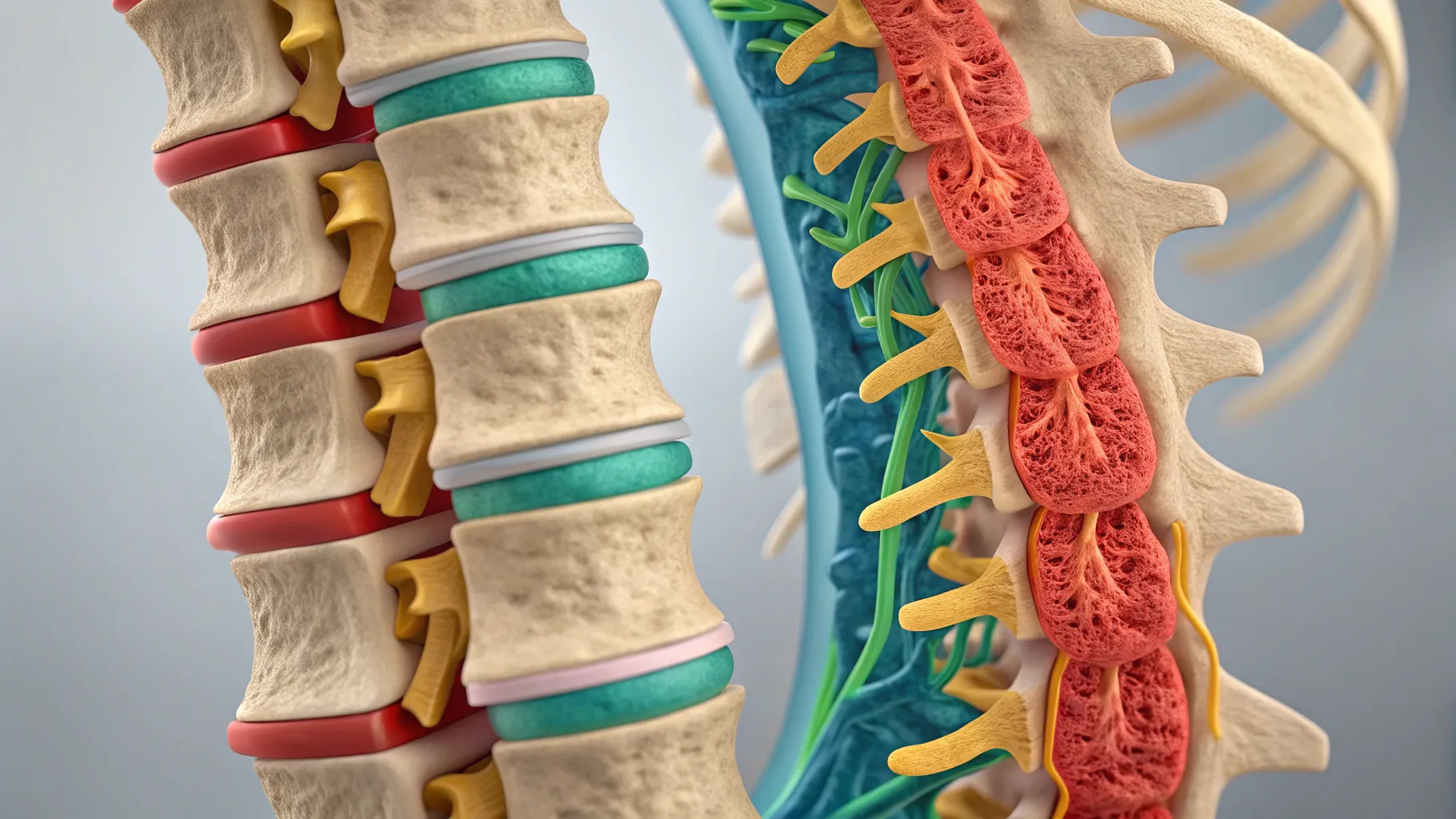
Spinal stenosis is a significant health issue characterized by the narrowing of the spinal canal, which can lead to increased pressure on the spinal cord and spinal nerves. This condition can profoundly affect your daily life, leading to chronic pain and decreased mobility. Although spinal stenosis predominantly affects older adults, it can also arise from various other health factors. In the United States, approximately 400,000 individuals are diagnosed with spinal stenosis each year, underlining its prevalence. The condition can occur in specific areas of the spine, notably in the cervical (neck) and lumbar (lower back) regions. Lumbar spinal stenosis is recognized as the most frequent variant, responsible for a variety of debilitating symptoms.
Key Causes of Spinal Stenosis
Several factors contribute to the development of spinal stenosis. Understanding these causative elements is crucial for effective management and treatment. Here are the primary factors:
- Age-related changes: With aging, the body experiences natural wear and tear which can lead to herniated discs and bone spurs that create pressure on the spinal canal.
- Genetic predispositions: Some individuals inherit conditions that make them more susceptible to spinal stenosis. Congenital stenosis is when a person is born with a narrower spinal canal.
- Trauma and injuries: Spinal injuries, including fractures and dislocations, can cause or worsen narrowing of the spinal canal.
- Medical conditions: Diseases such as arthritis, Paget's disease, and tumors can also lead to narrowing and resultant complications.
Recent genetic studies have indicated that individuals with hereditary vulnerabilities are at heightened risk, highlighting the importance of genetic assessments for those with a family history of spinal conditions.
Identifying the Symptoms of Spinal Stenosis
Detecting spinal stenosis early can lead to better management of symptoms. Symptoms may vary based on whether the stenosis occurs in the cervical or lumbar areas. Common manifestations include:
- Chronic back pain: Many patients experience persistent pain that may radiate from the lower back to the legs, severely affecting daily activities.
- Numbness and tingling: Patients often describe sensations of tingling or "pins and needles" in their arms or legs.
- Weakness in the legs: Some people may find it difficult to stand or walk, especially after prolonged periods of activity or exertion.
- Neck pain: In cases of cervical stenosis, symptoms can include headaches, radiating shoulder pain, and muscle weakness.
A survey conducted in the past year featured in the Journal of Spinal Disorders indicated that over 70% of patients reported significant pain as a primary issue in their daily lives. This statistic illustrates the magnitude of the discomfort caused by spinal stenosis.
Diagnosis of Spinal Stenosis: The Path to Relief
To diagnose spinal stenosis, healthcare providers typically blend a thorough physical examination with a detailed medical history and advanced imaging tests. Effective imaging techniques that are commonly used include:
- X-rays: These help in assessing the structural changes in the vertebrae and can indicate any potential causes of narrowing.
- Magnetic Resonance Imaging (MRI): MRI is a crucial tool as it provides comprehensive images of spinal tissues, facilitating the identification of nerve compression.
- Computed Tomography (CT) scans: This imaging method can offer valuable insights into the severity of the spinal narrowing.
Accurate and timely diagnoses are essential for initiating effective treatment, minimizing symptoms, and preventing further complications.
Exploring Treatment Options for Spinal Stenosis
The management of spinal stenosis often begins with conservative treatment options. These may include:
- Physical therapy: Specific exercises tailored to strengthen muscles surrounding the spine can greatly enhance flexibility and reduce discomfort.
- Medications: Nonsteroidal anti-inflammatory drugs (NSAIDs) like ibuprofen can be effective in alleviating pain and reducing inflammation.
- Corticosteroid injections: For more severe symptoms, corticosteroid injections may be recommended to reduce swelling and provide relief.
In cases where conservative strategies fail to provide sufficient relief, surgical interventions may be necessary. Surgical options aim to alleviate pressure on the spinal cord or nerves. Common surgical procedures include:
- Laminectomy: This procedure involves removing the bony arch of the spinal canal to increase space and prevent nerve compression.
- Spinal fusion: This surgery aims to stabilize the spine by permanently connecting two or more vertebrae.
- Foraminotomy: This procedure enhances the space through which nerves exit the spine, effectively relieving pressure.
Recently published studies indicate that over 80% of patients undergoing surgical treatment for spinal stenosis report significant improvements in their quality of life.
Managing Life with Spinal Stenosis
Living with spinal stenosis can be challenging, yet there are strategies that can enhance your quality of life. Incorporating gentle exercises, utilizing ergonomic furniture, and maintaining a healthy weight are proactive measures that can substantially reduce symptoms. Joining support groups can also provide emotional support and valuable resources about managing your condition.
Currently, exciting developments in regenerative medicine, such as advances in stem cell therapy, are emerging as promising treatment options for alleviating chronic pain associated with spinal stenosis. As ongoing research continues to mature, patients can look forward to an expanding array of methods to manage their condition effectively and improve their overall well-being.