Spinal Stenosis Causes Symptoms and Effective Treatments
Understanding Spinal Stenosis in 2025
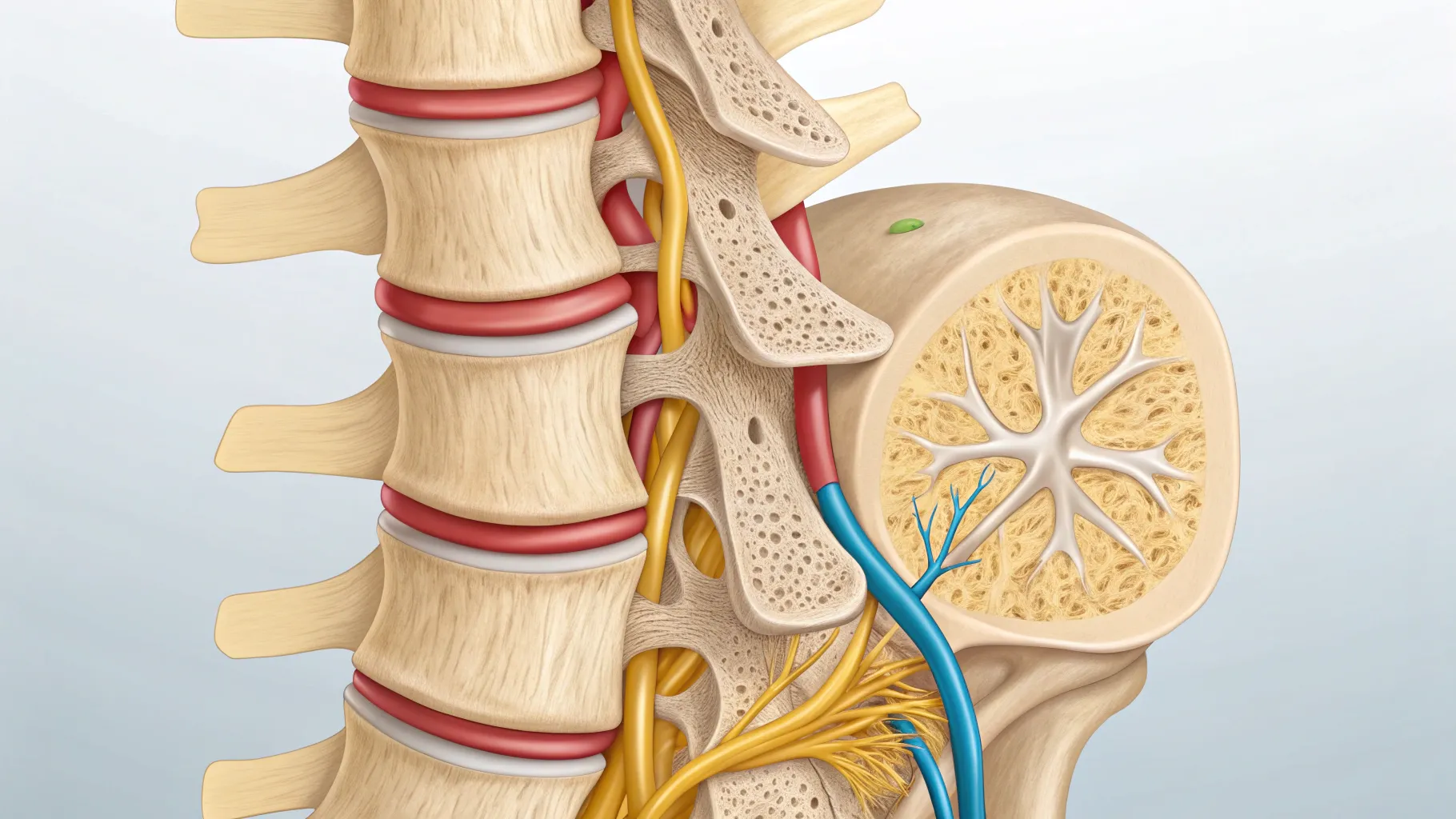
Spinal stenosis is a significant health issue affecting many individuals, especially older adults. In 2025, it continues to be a leading condition that results from the narrowing of the spinal canal—the protective passage for the spinal cord and nerves. While spinal stenosis can occur in any section of the spine, the lumbar region is the most commonly affected, particularly in those ages 50 and older. Recent findings indicate that around 70% of this demographic experiences some level of spinal stenosis, emphasizing the urgency of awareness and treatment.
What Causes Spinal Stenosis?
Recognizing the causes of spinal stenosis is crucial for both prevention and managing the condition effectively. Here are some primary factors contributing to this spinal disorder:
- Degenerative Changes: Over time, spinal discs undergo degenerative changes, losing their hydration and elasticity. This natural aging process can lead to severe wear and tear, causing vertebrae to come closer together and narrowing the spinal canal.
- Herniated Discs: Intervertebral discs can bulge or rupture, which places pressure on surrounding nerves and results in significant pain or discomfort. This scenario is particularly common among those with heavy physical activity routines.
- Bone Spurs: Osteoarthritis leads to the formation of bone spurs on vertebrae. These bony growths can invade the spinal canal, aggravating the already-compromised space and increasing the risk of nerve compression.
- Congenital Factors: Some individuals are naturally born with a narrower spinal canal, making them more susceptible to developing spinal stenosis as they advance in age.
- Injuries: Traumatic accidents, whether from sports, falls, or vehicular incidents, can damage the spine and alter its structure, often leading to or worsening spinal stenosis.
It's worth noting that proactive strategies can significantly mitigate age-related degeneration. Maintaining a healthy weight and staying active not only support spine health but also enhance overall well-being. Engaging in regular exercises, particularly low-impact activities, is essential in preserving the integrity of spinal structures.
Recognizing Symptoms of Spinal Stenosis
Individuals with spinal stenosis often experience a range of symptoms, which can vary widely depending on the severity and location of the narrowing. Common symptoms associated with lumbar spinal stenosis include:
- Pain: Many individuals describe their discomfort as sharp or achy, often localized in the lower back, with possible radiation into the legs or buttocks.
- Numbness and Tingling: Patients may experience tingling sensations or numbness in the legs and feet, which can exacerbate feelings of instability.
- Weakness: Some may notice muscle weakness in their lower legs, making tasks like walking or standing for long periods rather challenging.
- Symptoms Alleviated by Sitting: A notable feature of lumbar spinal stenosis is that symptoms commonly improve when a person is seated or leans forward. This action can help relieve nerve pressure, enhancing comfort temporarily.
Currently, around 75% of individuals affected by spinal stenosis report significant decreases in their quality of life. Common challenges include difficulties with routine activities, leading many to seek timely medical interventions.
Exploring Current Treatment Options for Spinal Stenosis
Today's treatments for spinal stenosis often start conservatively, aiming for lifestyle modifications, pain management, and physical rehabilitation. Commonly employed strategies include:
- Physical Therapy: Personalized exercise regimes are designed to strengthen spinal support muscles, improve flexibility, and promote better posture. Many patients have reported remarkable pain relief and enhanced mobility after just a few weeks of committed physical therapy.
- Pain Management: Healthcare professionals frequently recommend over-the-counter NSAIDs like ibuprofen and naproxen for pain relief. These medications help reduce inflammation and improve daily functioning.
- Injections: Corticosteroid injections can temporarily alleviate inflammation and pressure on spinal nerves, leading to improved comfort levels.
- Surgical Options: When conservative methods fail, surgery may become necessary. Procedures like laminectomy, where a portion of the vertebra is removed to relieve pressure, or spinal fusion, which stabilizes the spine by joining adjacent vertebrae, have proven effective. A case study this past year detailed a patient's substantial recovery in mobility and pain levels following a laminectomy after conservative treatments were unsuccessful.
Advancements in technology and surgical techniques over recent years have markedly improved patient outcomes, giving hope to many suffering from this condition.
The Importance of Early Diagnosis
In 2025, recognizing the symptoms of spinal stenosis early remains a key factor in achieving optimal treatment results. Those experiencing unrelenting back pain accompanied by any of the noted symptoms should not hesitate to seek medical advice. Diagnostic imaging, such as MRI and CT scans, plays an invaluable role in confirming the condition and gauging the extent of nerve compression.
Maintaining Spine Health Post-Treatment
Once treatment for spinal stenosis begins, it is essential to prioritize spine health to prevent future complications. Here are practical strategies to maintain a healthy spine:
- Regular Exercise: Incorporating low-impact workouts like swimming, walking, or cycling not only helps manage weight but also strengthens the back muscles, which are critical for support.
- Healthy Diet: A nutritious diet loaded with vitamins and minerals promotes optimal bone and joint health, which can delay the degenerative processes associated with aging.
- Proper Posture: Paying attention to posture whether at home or work can significantly reduce the strain on the spine, aiding in maintaining a healthy alignment.
- Routine Check-Ups: Regular visits to healthcare providers help monitor spinal health, allowing for early recognition of any emerging concerns and a timely approach to treatment.
By remaining informed, managing symptoms proactively, and leading a healthy lifestyle, individuals affected by spinal stenosis can enhance their quality of life significantly. Accessibility to information and resources forms the backbone of successful management, empowering patients to actively participate in their own health decisions.