Best Tankless Water Heater Installers: A Journalistic Report on Technical Competency and Industry Standards
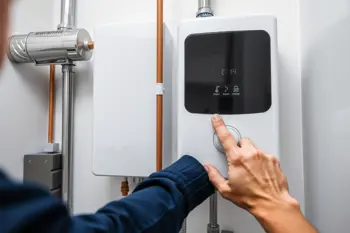
Professional tankless water heater installation requires a comprehensive evaluation of a home's infrastructure to ensure the on-demand system operates within the manufacturer’s tight gas-flow and ventilation envelopes. Identifying the best tankless water heater installers involves analyzing their ability to perform precise load calculations and handle complex utility upgrades, such as gas line upsizing and dedicated electrical circuit integration 1. As more households transition from traditional storage tanks to high-efficiency on-demand units, the focus has shifted toward contractors who strictly adhere to local mechanical codes and manufacturer commissioning logs to prevent premature equipment failure 11.
Technical Standards for High-Performance Tankless Installation
A primary differentiator among professional installers is their approach to gas line sizing and BTU delivery. Standard storage tank water heaters often operate on half-inch gas lines, but high-performance tankless units typically require a significantly higher volume of fuel, often ranging between 150,000 and 199,000 BTUs 18. When a gas line is undersized, the unit may experience frequent error codes or cycle failures during peak demand periods 1. Expert installers verify the meter capacity and existing pipe diameters before selecting a model to ensure the burner receives full pressure at all times 4.
Venting requirements also vary significantly between conventional systems and modern tankless models. Installers must use specific materials, such as stainless steel, PVC, or polypropylene, as dictated by the manufacturer’s listing and local safety standards 1. Professional setup includes the installation of a sediment trap and a service isolation valve kit on the supply side, which facilitates the necessary annual maintenance required to keep the heat exchanger functioning efficiently for its projected 20-year lifespan 1. Failure to route condensate correctly on condensing models can lead to acidic moisture damaging the surrounding floor or foundation 1.
The Critical Role of Regional Water Conditions
In many parts of the United States, water quality is a determining factor in the longevity of a tankless system. Regions with high mineral content, such as parts of Utah and Nevada where hardness levels can reach 150 to 300 ppm, pose a specific challenge to heat exchangers 5. Professional installers in these areas often integrate scale-inhibitor systems or water softeners as part of the installation package to prevent rapid mineral buildup 6. In Las Vegas, where tap water is classified as very hard, specialized technicians include setup for annual descaling as a standard practice to protect the homeowner’s investment 6.
Hard water management is not merely a recommendation but a necessity for maintaining manufacturer warranties. Many leading brands, such as Navien and Rinnai, may limit coverage if a unit fails due to excessive scale accumulation 5. Expert contractors provide written guidance on descaling intervals based on local water testing, ensuring that the precision burner and heat exchanger do not lose efficiency over time 18. This regional expertise allows installers to configure units for optimal performance in climates where inlet water temperatures can drop significantly during winter months 4.
Professional Sizing and Load Calculation Metrics
Correct system sizing is the secret to a successful tankless conversion, as an undersized unit will fail to provide consistent hot water during simultaneous fixture use. Technicians utilize peak Gallons Per Minute (GPM) demand calculations to match a unit to a household’s specific needs 1. This involves accounting for every fixture that might run at once, including showers, dishwashers, and washing machines. If the demand exceeds the unit’s capacity, the system may reduce flow to maintain temperature, which can result in low water pressure at the tap 13.
| Installation Variable | Requirement / Consideration | Impact on Performance |
|---|---|---|
| Gas Line Size | Typically 3/4 inch or larger | Prevents fuel starvation and error codes |
| Venting Path | Dedicated PVC or Stainless Steel | Ensures safe combustion and exhaust |
| Condensate Neutralizer | Required for condensing units | Protects drains from acidic runoff |
| Inlet Temperature | Varies by geography/season | Affects the unit’s maximum GPM output |
| Water Hardness | Scale inhibitors or softeners | Prevents efficiency loss in heat exchangers |
Navigating Regulatory Compliance and Permitting
Adherence to local building codes is a hallmark of professional installation. Most municipalities, such as Clark County in Nevada or Gwinnett County in Georgia, require a plumbing permit for tankless water heater installations 6 28. These permits ensure that the final work is inspected for safety, focusing on proper venting clearances and gas line connections. Professional installers typically handle the entire permitting process, documenting the model number, BTU ratings, and seismic strapping requirements to meet current standards 11.
Beyond basic safety, code compliance often involves specific environmental regulations. In the Bay Area, for example, installers must consider future water heater rules that may impact the type of fuel source or efficiency rating allowed in the coming years 11. Licensed contractors provide workmanship warranties, sometimes lasting up to six years, which offer homeowners protection against installation-related defects
Comparing Manufacturer-Certified Installation Programs
Major manufacturers like Navien, Rinnai, Noritz, and Rheem maintain networks of certified service specialists who undergo specific training on their equipment 11. Utilizing a certified installer is often a requirement to keep the manufacturer’s warranty intact, as these professionals are trained to handle the specific diagnostic tools and commissioning logs required for each brand 1. These technicians have access to proprietary parts and diagnostic information that general plumbing contractors may lack, allowing for more precise troubleshooting of error codes or ignition failures 19.
Different brands offer specialized features that require expert configuration. For example, some A.O. Smith models are designed with integrated scale protection, while certain Navien and Rinnai units are optimized for high-performance recirculation lines 10. Recirculation pumps allow for faster hot water delivery at the tap, but they require a dedicated return line or a crossover valve to function correctly 4. A certified professional can evaluate a home’s existing plumbing layout to determine which manufacturer’s technology best aligns with the infrastructure and the household's usage patterns 11.
Long-Term Maintenance and Warranty Realities
The relationship between a homeowner and a professional installer often extends beyond the initial setup due to the maintenance-intensive nature of tankless systems. Unlike traditional tanks that are frequently ignored until they leak, tankless units require regular descaling to remove mineral deposits from the heat exchanger 19. Installers provide the necessary infrastructure, such as isolation valves, to make these flushes straightforward for the homeowner or a service technician 1. Regular sensor checks and filter cleanings are also essential for maintaining the unit’s high efficiency 19.
The cost of installation generally reflects the complexity of the utility modifications required. Market data indicates that professional installation can range from 1,500 to 3,500 dollars, depending on the extent of venting and gas line upgrades needed 31. While these costs are higher than a simple tank swap, the long-term energy savings and doubled lifespan often justify the initial expenditure. By choosing an installer who prioritizes site assessment and data-backed load calculations, homeowners ensure their transition to on-demand hot water is both safe and reliable for the duration of the system's life 16.
Sources
- Sara's Best Plumbing - Tankless Water Heater Installation Standards
- Johnson Plumbing - Professional Sizing and Permitting in Nevada
- Tankless Water Heater Install & Repair - Residential and Commercial Services
- All-Star Trade Pros - Sizing and Design for Central Texas
- Ninja HVAC Utah - Regional Hard Water Challenges
- Royalty Plumbing LLC - Las Vegas Hard Water and Installation Codes
- Village Plumbing - Energy Efficiency and Design Benefits
- Pure Water NorthWest - Seattle Installation and Water Quality
- Solid Plumbing & Drains - San Diego Professional Services
- S.E. Tradesmen - Warranty and Brand Comparisons
- Efficient Water Heaters San Jose - Regulatory Compliance and Permits
- Home Rangers - Technical Planning for Tankless Systems
- Hot Water Guys - Flow Capacity and GPM Metrics
- Rapid Rooter Plumbing - Efficiency and Long-Term Savings
- Prime Plumbing - System Setup and Household Usage
- Adams Services Co - Steps for Professional Installation
- Clovis Plumbing Services - Central Valley Water Management
- Katy Plumber - Common Installation Errors and Correction
- Diamond Plumbing - Maintenance and Repair Protocols
- Dependable Hot Water - High-Efficiency On-Demand Systems
- Qik Plumbing - Electric Tankless Installation Metrics
- Roger's Plumbing - Three Steps to System Integration
- Efficient Water Heaters - Regional Neighborhood Considerations
- Worley's - Multi-Fuel Capability and Load Calculation
- Custom HPACES - HVAC and Plumbing Professionalism
- Qik Plumbing Fresno - Safe Gas and Electric Setup
- Plumbing by Hank - Precision Installation in Hoover
- Emergency Plumber Lawrenceville - Gwinnett County Standards
- Drain Beast Services - Regional Service Coverage
- Murray Plumbing - Lifespan and Energy Cost Reductions
- U.S. Department of Energy and National Contractor Benchmarks