Reasons Your Skin Itches
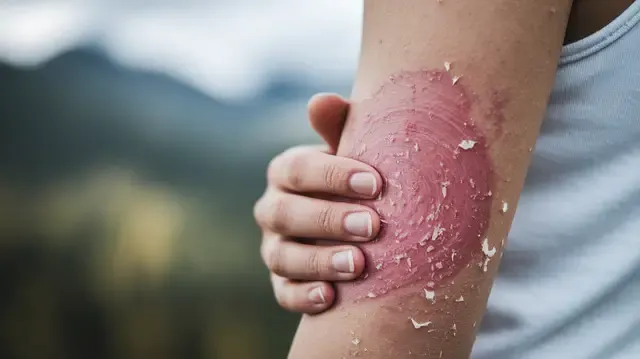
Understanding Itchy Skin: What Is It?
Itchy skin, medically known as pruritus, is a common condition that affects a wide range of people. It is more frequent among seniors and women experiencing menopause. Several triggers can cause this discomfort, and identifying the underlying reasons is crucial in finding relief.
1. Dry Skin: A Common Cause
One of the leading causes of itchy skin, especially among seniors, is dryness. As we age, skin tends to lose moisture and natural oils, leading to dryness and itchiness. Environmental factors like cold weather and low humidity contribute significantly to the problem. Ensuring skin stays hydrated by using a good moisturizer can be an effective remedy for itchy skin at night.
2. Allergic Reactions
Allergies can lead to persistent itchy skin. Common allergens such as pollen, pet dander, or certain foods can provoke an irritating sensation. Identifying and avoiding allergens is vital, alongside using antihistamines as an itchy skin treatment and cause management method.
3. Eczema: A Chronic Condition
Eczema is a chronic skin disorder that leads to inflamed, itchy patches. Stress and environmental triggers often worsen symptoms. Recent statistics indicate that 10-20% of children and about 3% of adults have eczema. Emollients and steroids are frequently used for relief.
4. Psoriasis: Understanding The Itch
Psoriasis, characterized by scaly, itchy skin patches, affects about 2% of the population. This autoimmune condition leads to cells building up rapidly on the skin's surface. Topical treatments and light therapy are common management strategies.
5. Menopause: Hormonal Changes
During menopause, decreased estrogen levels can cause various skin issues, including itchiness. The hormonal changes can make the skin dry, which in turn becomes itchy. It's advised for women going through menopause to use specialized skincare products aimed at boosting hydration.
6. Reaction To Medications
Another reason for itchy skin is a reaction to certain medications. Drugs used to treat high blood pressure, antibiotics, and even some pain relievers can cause itchiness as a side effect. If you suspect your medication is the cause, consulting with a healthcare provider for alternatives is crucial.
More Reasons Your Skin Might Itch
7. Fungal Infections
Fungal infections such as athlete's foot or ringworm affect the skin’s surface, causing it to itch intensely. These require antifungal treatments for effective management. Recent health data show a rise in these cases, partly due to increased humidity levels in many regions.
8. Liver Disease And Itchiness
Itchy skin can be an indicator of liver disease. When the liver isn't working properly, bile salts can build up, causing skin discomfort. Regular medical check-ups can help identify such underlying internal issues early, providing a direct line to treatment.
9. Stress: A Surprising Connection
Did you know stress can exacerbate itchiness? Psychological stress can prompt a cycle where stress causes itching, and itching causes more stress. This link is supported by several recent studies emphasizing the need for mental wellness as part of itchy skin treatment.
10. Itchy Skin After A Shower
Post-shower itch usually occurs due to hot water and the removal of natural skin oils. Using lukewarm water and gentle cleansers can help. Incorporating oatmeal-based products has shown to soothe post-shower itchiness effectively and is recommended as part of an overall skincare regimen.
Identifying why your skin itches is pivotal to addressing the problem. Whether dealing with itchy skin after a shower or understanding the itchy skin symptoms and prevention during menopause, knowing the root cause empowers you to seek the right remedies and enjoy healthy, itch-free skin.