A Guide to Pottery and Ceramics Classes for Retirees
Facts:
- Engaging in artistic hobbies can improve mental acuity in seniors.
- There is a growing trend in lifelong learning, especially in creative arts for retirees.
Unearthing a New Passion: Why Pottery is Perfect for Retirement
Retirement opens up a world of possibilities to explore new hobbies and passions. For many, this is the perfect time to engage in creative pursuits that are both relaxing and rewarding. Among the most popular choices are pottery and ceramics classes for retirees, which offer a unique blend of artistic expression, mental stimulation, and social interaction. These classes provide a structured yet flexible environment to learn a timeless craft. Whether you're looking for beginner pottery lessons for seniors or more advanced workshops, the world of clay offers a therapeutic escape and a tangible sense of accomplishment. It's an opportunity to get your hands dirty, create something beautiful, and connect with like-minded individuals in your community.
The Tangible Benefits of Working with Clay
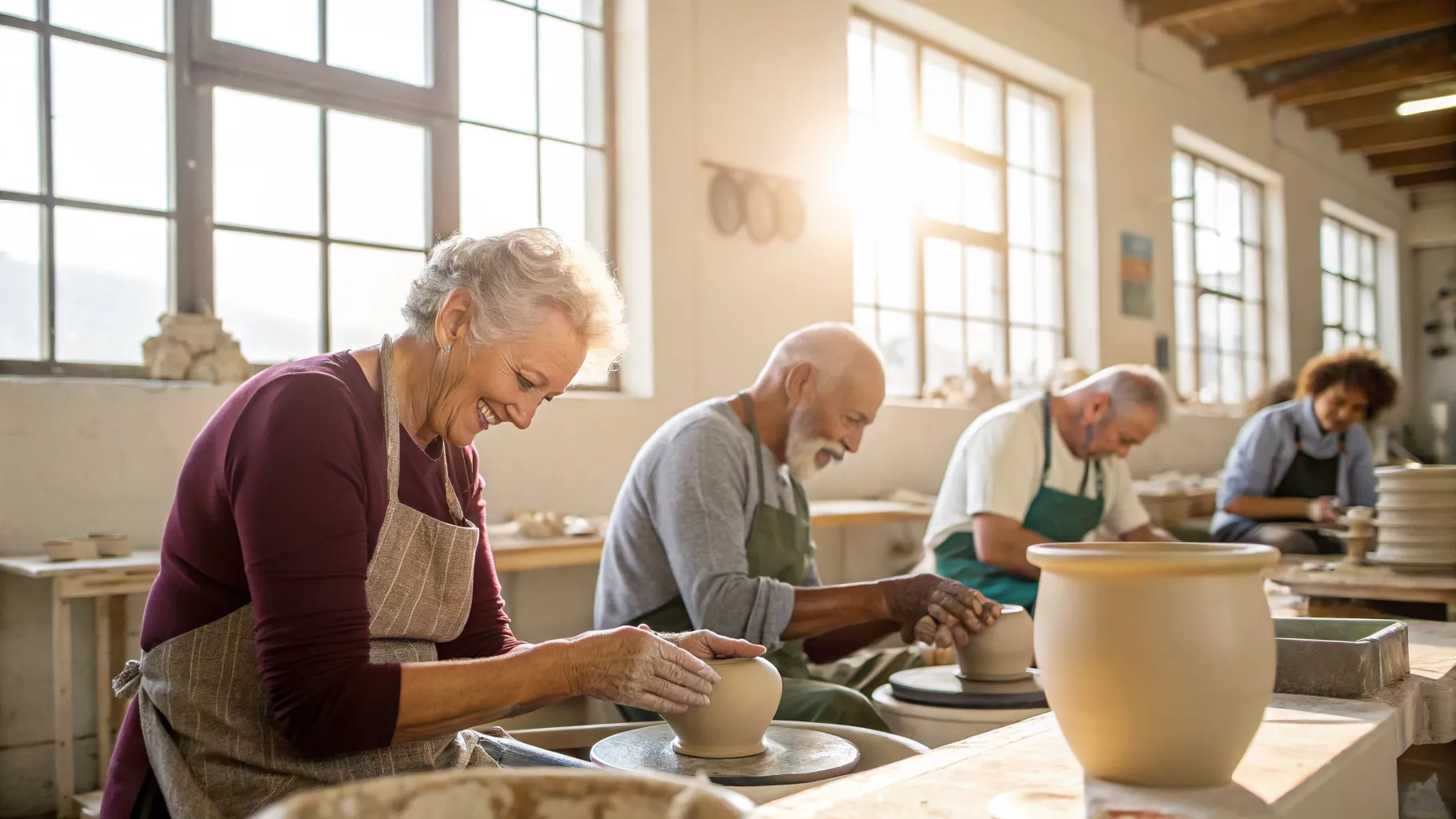
The appeal of pottery goes far beyond simply creating a functional pot or a decorative sculpture. Engaging in this hands-on activity has numerous documented benefits for mental and physical well-being, particularly for older adults. The tactile nature of working with clay can be incredibly calming, reducing stress and anxiety. It requires focus and concentration, which helps improve cognitive function and mindfulness. Furthermore, the process of shaping, molding, and glazing clay enhances fine motor skills and hand-eye coordination. Many ceramics workshops for retirees are designed to be social hubs, providing a wonderful opportunity to build new friendships and feel part of a creative community. These gatherings combat isolation and foster a sense of belonging, making them more than just a class but a vital social outlet.
How to Find the Perfect Pottery Class Near You
The search for 'pottery classes for seniors near me' can yield a surprising number of options, each offering a different experience. Community centers are often a great starting point, as they typically provide affordable and accessible community pottery classes for older adults with a relaxed, welcoming atmosphere. Private pottery studios also host a variety of workshops, from single-day introductory sessions to multi-week courses that delve deeper into specific techniques like wheel throwing or hand-building. It's wise to visit a few potential locations, speak with the instructors, and observe a class in session if possible. Consider factors such as class size, the type of instruction offered, the studio's atmosphere, and the equipment available. Online reviews and local community forums can also be invaluable resources for finding reputable and highly-recommended classes tailored to your interests.
What to Expect in Your First Pottery Lessons
Walking into your first pottery class can be exciting, and knowing what to expect can ease any initial apprehension. Most beginner pottery lessons for seniors start with the fundamentals. You'll be introduced to the different types of clay and learn the essential technique of 'wedging'—a process similar to kneading dough that removes air bubbles and prepares the clay for use. Instructors will then guide you through basic hand-building methods, such as coiling, pinching, and slab building, which are excellent for creating a wide range of forms without a potter's wheel. For those interested in the wheel, introductory classes will cover centering the clay and pulling up the walls of a vessel. Don't worry about perfection; the focus is on learning the process and enjoying the creative journey. The class environment in pottery and ceramics classes for retirees is typically supportive and encouraging, with everyone learning at their own pace.
Exploring Different Pottery Techniques
As you progress, you'll discover a rich variety of techniques to explore. Hand-building is often the most accessible starting point, allowing for immense creativity in form and texture without the steep learning curve of the potter's wheel. You can create everything from mugs and bowls to intricate sculptures. Wheel throwing, while more challenging to master, offers the deep satisfaction of creating symmetrical, classic forms like vases and plates. It's a meditative practice that many find deeply rewarding. Later, you'll delve into the world of glazing, where you'll learn how to apply colors and finishes to your bisque-fired pieces. This is where your creations truly come to life. Many ceramics workshops for retirees dedicate specific sessions to different techniques, allowing you to specialize or simply try something new.
Tips for Getting Started in a Pottery Class
To make the most of your new hobby, a little preparation goes a long way. Here are some actionable tips for anyone ready to join community pottery classes for older adults:
- Dress Comfortably: Wear old clothes and comfortable, closed-toe shoes that you don't mind getting splattered with clay. An apron is also a great idea.
- Trim Your Nails: Long nails can make it difficult to work with clay and can leave unwanted marks in your projects. Keeping them short will make the process much easier.
- Be Patient with Yourself: Pottery is a skill that takes time and practice. Embrace the learning process, celebrate small victories, and don't be discouraged by imperfect results. Every piece is a learning experience.
- Ask Questions: Instructors are there to help. Don't hesitate to ask for clarification on a technique or for help if you're struggling. Interacting with your teacher is key to growth.
- Engage with Classmates: One of the best parts of joining a class is the social aspect. Chat with your fellow potters, share tips, and enjoy the communal creative energy.
Frequently Asked Questions
Do I need any artistic experience to join pottery and ceramics classes for retirees?
Absolutely not! The vast majority of beginner classes are designed for individuals with no prior experience. Instructors will guide you through every step of the process, from preparing the clay to finishing your first piece. The focus is on learning and enjoyment, not on previous artistic talent.
What is the typical cost of ceramics workshops for retirees?
Costs can vary widely depending on location, class duration, and what's included. Community center classes are often the most affordable, while private studio courses may cost more. Typically, the fee includes instruction, a set amount of clay, use of tools, and firing fees for a certain number of pieces.
What physical requirements are there for joining beginner pottery lessons for seniors?
Pottery is a low-impact activity suitable for most fitness levels. It does require some hand and wrist strength, but instructors can often suggest adaptive tools or alternative techniques. If you have concerns about arthritis or other conditions, it's a good idea to speak with the studio or instructor beforehand.
References
- Journal of the American Art Therapy Association
- National Institute on Aging - Health & Wellness Studies
- Ceramics Monthly Magazine Archives
- Community Arts Education Annual Reports
Authored by Invest Buzzers team