Photography Workshops for Over 60s: Your Guide to Capturing Life's Best Moments
Facts:
- Photography can improve cognitive function and memory.
- A growing trend for retirees is joining photography workshops for over 60s to stay socially active.
Unlocking Your Creative Potential After 60 Through Photography
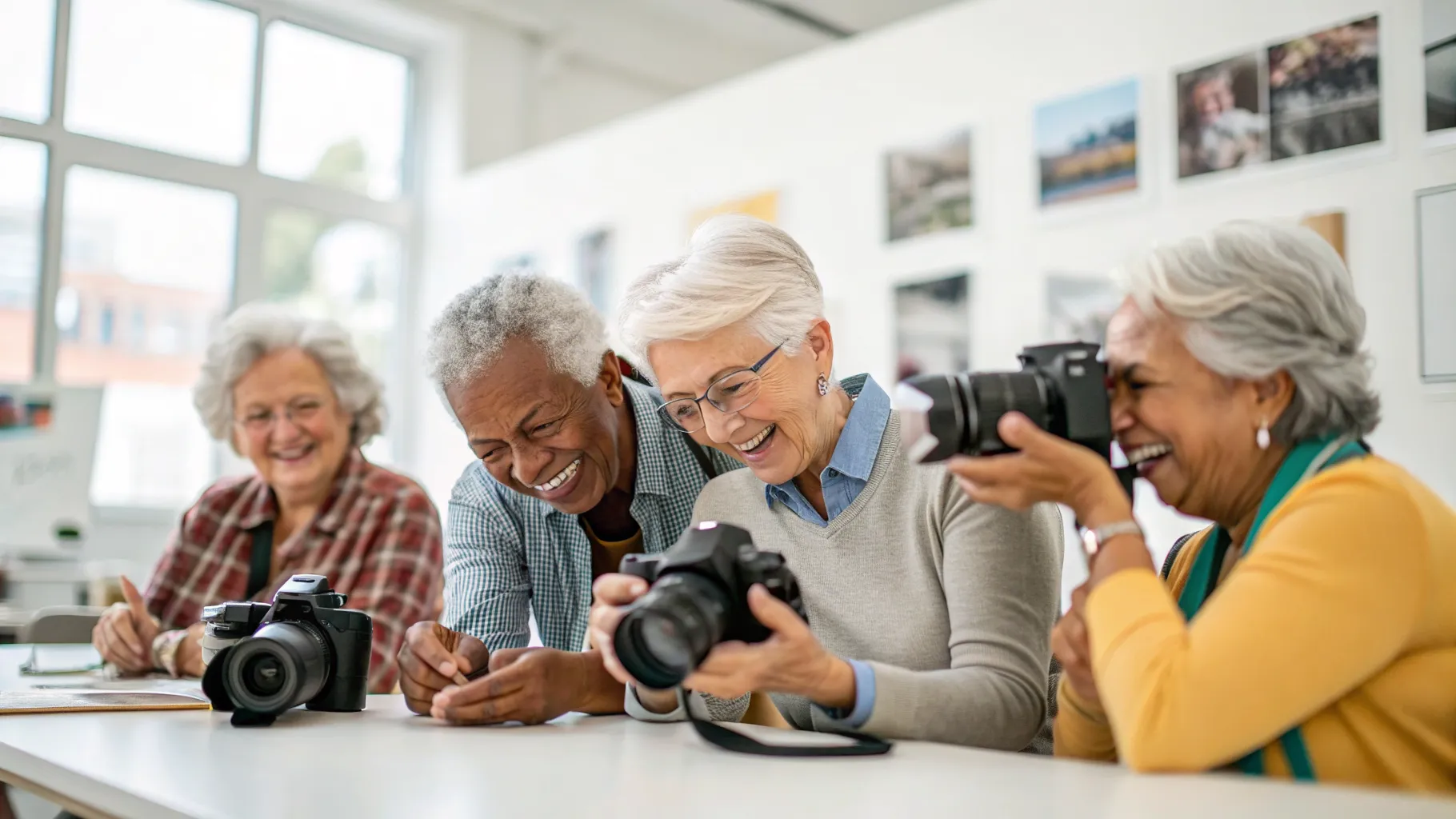
Retirement offers a golden opportunity to explore new passions and hobbies that were once pushed aside by the demands of a career and family. For many, photography emerges as a perfect blend of art, technology, and social engagement. Engaging in photography workshops for over 60s is an excellent way to not only learn a new skill but also to see the world through a fresh lens. These specialized courses are designed to be accessible, enjoyable, and paced appropriately for learners who may be new to digital technology. Whether you want to capture beautiful family moments, stunning landscapes, or interesting street scenes, the right photography classes for seniors can provide the foundation you need to express your unique vision and create lasting memories.
What to Expect from Beginner Photography Courses for Older Adults
When you sign up for beginner photography courses for older adults, you can expect a supportive and patient learning environment. Unlike fast-paced classes aimed at a younger demographic, these workshops focus on building confidence from the ground up. The curriculum typically starts with the very basics: understanding your camera's buttons and dials, what terms like 'aperture', 'shutter speed', and 'ISO' mean, and how they work together to create a properly exposed photograph. Instructors often use simple language, avoiding overly technical jargon. Many digital photography lessons for retirees emphasize practical, hands-on learning. You'll spend less time in a lecture and more time actually taking pictures, often with guided photo walks or in-class exercises. The social aspect is also a huge component, as you'll be learning alongside peers with similar interests, fostering new friendships and a sense of community.
Choosing the Right Camera Workshops for Seniors
With a variety of options available, selecting the perfect workshop is key to a positive experience. When looking for camera workshops for seniors, consider the type of photography that interests you most. Are you drawn to nature and landscapes, or do portraits of your grandchildren excite you? Some workshops specialize in specific genres. Also, check the class size; smaller groups often mean more one-on-one time with the instructor. It's also important to find a course that matches your equipment. While some classes are geared towards DSLR or mirrorless cameras, many modern photography workshops for over 60s now include modules specifically for smartphone photography, acknowledging the power and convenience of the camera in your pocket. Read reviews and, if possible, look at the instructor's portfolio to ensure their style aligns with what you hope to learn. Don't be afraid to call the provider and ask questions about the course structure and teaching philosophy.
Your First Steps: Getting Started with Digital Photography
Embarking on your photography journey is an exciting prospect. Before you even join one of the many photography classes for seniors, there are a few things you can do to get comfortable with the craft. Here is some actionable advice to get you started:
- Master Your Camera's Auto Mode: Before diving into manual settings, spend time using your camera's automatic mode. This allows you to focus purely on composition—framing your shot, finding interesting angles, and learning what makes a compelling image without worrying about the technical settings.
- Learn the Rule of Thirds: This is a fundamental composition guideline. Imagine your frame is divided into nine equal segments by two vertical and two horizontal lines. Placing key elements along these lines or at their intersections often creates a more balanced and engaging photo than simply centering the subject.
- Pay Attention to Light: Light is the most crucial element in photography. Notice how light changes throughout the day. The soft, warm light during the 'golden hours'—shortly after sunrise and before sunset—is often more flattering for photos than the harsh, direct sun of midday.
- Practice, Practice, Practice: The best way to improve is to take photos regularly. Carry your camera with you and photograph whatever catches your eye. This consistent practice will make you more comfortable with your equipment and help you develop your unique photographic style before you even attend any formal digital photography lessons for retirees.
The Social and Cognitive Benefits of Photography
Beyond creating beautiful images, engaging in photography offers profound benefits for mental and social well-being, particularly for older adults. Joining beginner photography courses for older adults provides a wonderful platform for social interaction, combating the isolation that can sometimes accompany retirement. Sharing an interest with classmates fosters camaraderie and can lead to lasting friendships and the formation of photo clubs. Cognitively, photography is a fantastic brain exercise. It requires you to constantly solve problems—how to frame a shot, adjust for lighting, and capture a fleeting moment. This process of learning new technical skills, combined with the artistic expression of composition, helps keep the mind sharp, improves concentration, and can even enhance memory. The simple act of going out to take pictures encourages physical activity and exploration of your community, turning a simple walk into a creative adventure.
Beyond the Basics: Continuing Your Photographic Journey
Once you've completed your initial camera workshops for seniors and feel comfortable with the fundamentals, a whole new world of creative possibilities opens up. The journey doesn't have to end with the basics. Many institutions offer intermediate or specialized courses. You might explore a workshop on landscape photography to better capture your travel adventures, a portrait class to take stunning photos of your family, or even a course on photo editing software like Adobe Lightroom to learn how to enhance your images. These advanced digital photography lessons for retirees allow you to delve deeper into the craft, refine your skills, and develop a more personal and expressive style. Joining a local camera club is another excellent way to stay motivated, share your work, and learn from fellow enthusiasts in a supportive and inspiring environment.
Frequently Asked Questions
Do I need an expensive camera for photography workshops for over 60s?
Absolutely not. While some participants may have DSLR or mirrorless cameras, many excellent photography workshops for over 60s welcome all types of cameras, including point-and-shoots and even smartphones. The best camera is the one you have with you, and a good course will teach you how to make the most of your specific equipment.
Are the classes physically demanding?
Most beginner photography courses for older adults are designed to be accessible. While some may include optional 'photo walks' on gentle terrain, they are generally not physically strenuous. It's always a good idea to check with the course provider about any physical requirements if you have mobility concerns.
What if I'm not very tech-savvy?
This is a common concern, and it's precisely why these specialized courses exist. Instructors for photography classes for seniors are chosen for their patience and ability to explain technical concepts in a simple, clear, and easy-to-understand manner. The environment is supportive, and you are encouraged to ask questions and learn at your own pace.
References
- The Royal Photographic Society Journal
- Senior's Guide to Digital Photography (2025 Edition)
- Center for Aging and Cognitive Health Studies
- Amateur Photographer Magazine
Authored by Invest Buzzers team