Nearly Invisible Hearing Aids: The Ultimate Guide to Discreet Hearing Solutions
Facts:
- Modern IIC devices can sit just millimeters from the eardrum.
- Growing demand for aesthetic solutions fuels innovation in discreet hearing aids.
The Evolution of Invisibility: Understanding Modern Discreet Hearing Aids
For decades, the primary barrier to adopting hearing assistance for many has been the visibility of the device. The desire for privacy and the wish to avoid the perceived stigma associated with hearing loss have led many to delay seeking help. However, technological advancements have ushered in a new era of auditory solutions. Today, nearly invisible hearing aids are not a futuristic concept but a reality, offering powerful performance in packages that are virtually undetectable. These devices are designed to fit deep within the ear canal, making them one of the most popular discreet hearing aids available. They represent the pinnacle of engineering, blending sophisticated sound processing with ergonomic, hidden designs that cater to both auditory needs and personal confidence.
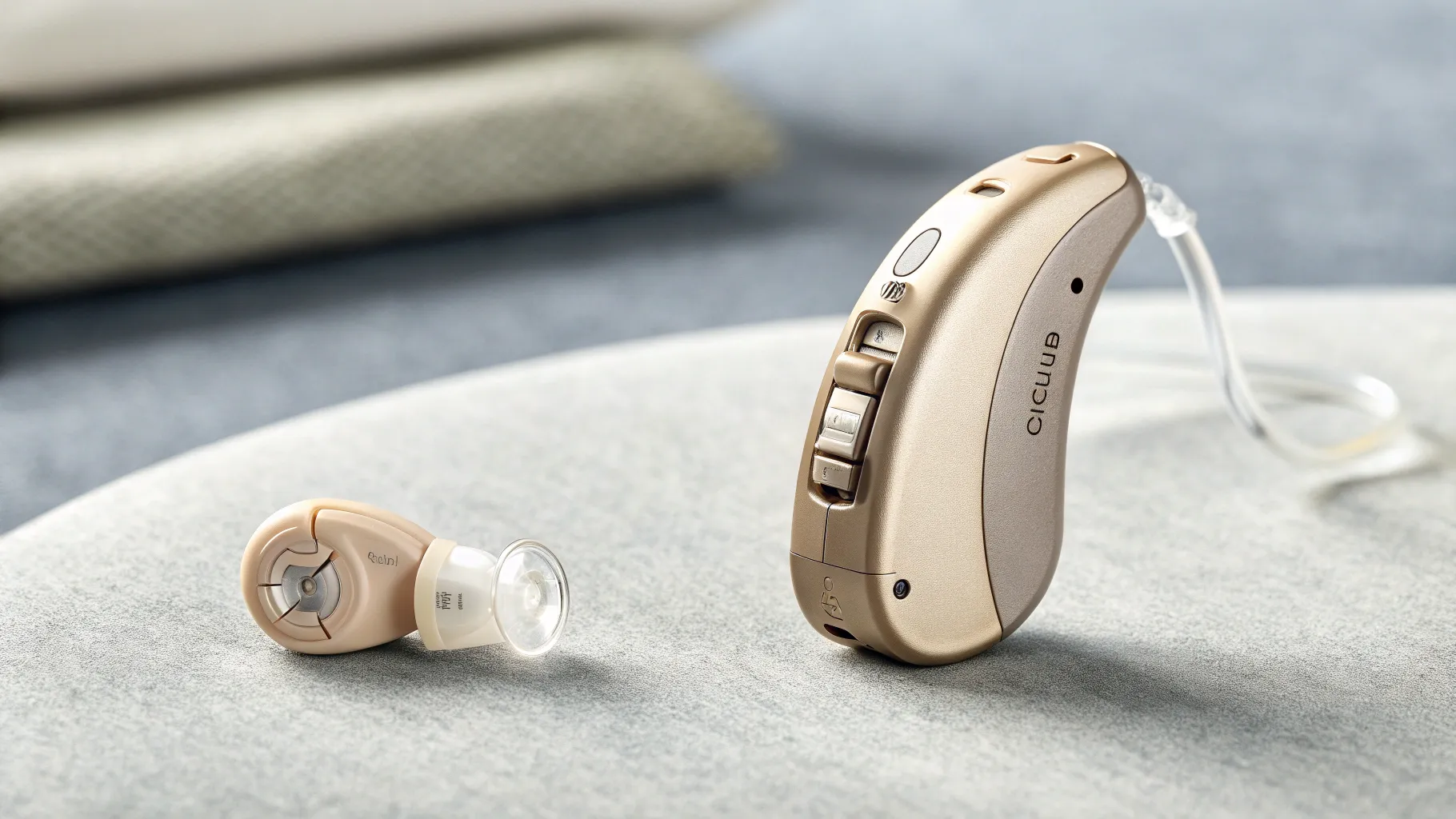
Exploring the Types of Small Hearing Aid Designs
When delving into the world of discreet hearing solutions, it's crucial to understand the different styles available. The terminology can be confusing, but the primary categories of hidden hearing aid options are distinguished by how deeply they sit inside the ear canal. The two most prominent styles are Invisible-in-Canal (IIC) and Completely-in-Canal (CIC). Each offers a unique balance of invisibility, features, and suitability for different types of hearing loss. Choosing between these small hearing aid designs depends heavily on individual ear anatomy, the severity of hearing loss, and lifestyle preferences. An audiologist can help determine the best fit after a thorough examination.
Invisible-in-Canal (IIC) Hearing Aids
As the name suggests, IIC hearing aids are the smallest and most discreet option available. They are placed deep in the second bend of the ear canal, rendering them completely invisible from the outside. This deep placement allows them to leverage the ear's natural acoustics, providing a more organic sound quality. Because of their tiny size, IIC models are custom-molded to the individual's ear canal for a secure and comfortable fit. These are the ultimate invisible hearing aids for users who prioritize aesthetics above all else. However, their small chassis means they may have smaller batteries and fewer features like wireless connectivity compared to larger models.
Completely-in-Canal (CIC) Hearing Aids
Slightly larger than IIC models, CIC hearing aids also offer an exceptional level of discretion. They fit entirely within the ear canal but may have a small, transparent removal handle that sits at the very edge of the canal opening. While still considered a type of nearly invisible hearing aids, this tiny handle can make them marginally more visible than an IIC upon very close inspection. The slightly larger size allows for potentially longer battery life and additional features, such as directional microphones or push-button controls, making them a versatile choice among discreet hearing aids.
Functional Advantages of Hidden Hearing Aid Options
The appeal of nearly invisible hearing aids extends far beyond their cosmetic benefits. Their design inherently offers several functional advantages that improve the overall listening experience. Because they sit deep within the ear canal, they are less susceptible to wind noise, a common complaint with behind-the-ear (BTE) models. This makes them an excellent choice for individuals with active, outdoor lifestyles. Furthermore, this deep placement allows the outer ear, or pinna, to function as it naturally does—funneling sound into the ear canal. This helps with sound localization (telling where sounds are coming from) and results in a more natural, balanced sound quality compared to devices that sit outside the ear.
Are Nearly Invisible Hearing Aids Right for You?
While the prospect of invisible hearing aids is appealing, they are not a one-size-fits-all solution. Candidacy depends on several factors. Firstly, the degree of hearing loss is a primary consideration; these smaller devices are typically best suited for mild to moderately severe hearing loss due to their smaller receivers and amplifiers. Secondly, the physical anatomy of the ear canal is critical. A canal that is too narrow or has a sharp bend may not be able to accommodate even the smallest custom-molded device. Finally, lifestyle and dexterity play a role. The tiny batteries require steady hands to change, and regular cleaning is essential to prevent earwax from blocking the microphone and receiver ports. A consultation with a hearing healthcare professional is the only way to determine if these hidden hearing aid options are a suitable choice for your specific needs.
Choosing Your Ideal Discreet Hearing Aid: A Practical Guide
Navigating the market for discreet hearing aids can be overwhelming. To make an informed decision, it's important to follow a structured approach. The right device will not only be invisible but will also perfectly match your hearing needs and daily activities. Here are some actionable steps to guide you through the selection process:
- Professional Consultation is Key: Before anything else, schedule a comprehensive hearing evaluation with a certified audiologist. They will assess your hearing loss, examine your ear canal anatomy, and discuss your lifestyle to recommend the most appropriate small hearing aid designs.
- Discuss Features vs. Size: Be clear about your priorities. If you need Bluetooth streaming or advanced noise reduction features, you may need to consider a slightly larger CIC model over an IIC. Understand the trade-offs between ultimate discretion and enhanced functionality.
- Inquire About Trial Periods: Most providers offer a trial period. Use this time to test the nearly invisible hearing aids in various real-world environments—quiet rooms, noisy restaurants, and outdoor settings. This is the best way to ensure they meet your expectations for both comfort and performance.
- Understand Maintenance Requirements: Ask for a demonstration on how to clean the device, change the batteries, and handle wax guards. Being comfortable with the daily upkeep is crucial for the long-term success of any hidden hearing aid options.
Frequently Asked Questions
How much do nearly invisible hearing aids cost?
The cost can vary significantly based on the technology level, brand, and included professional services. Generally, these custom-molded devices are in the mid-to-premium price range due to the advanced technology and customization involved. It's best to consult with a provider for specific pricing.
Are invisible hearing aids suitable for severe hearing loss?
Typically, the smallest IIC and CIC models are designed for mild to moderately severe hearing loss. Their small size limits the power of the receiver (speaker). Individuals with severe or profound hearing loss usually require larger, more powerful models like behind-the-ear (BTE) devices to get the amplification they need.
What is the battery life like for such small hearing aid designs?
Due to their tiny size, these hearing aids use the smallest available batteries (size 10), which generally last between 3 to 7 days, depending on usage and the device's specific features. Some newer models may offer rechargeable options, but this is less common in the most invisible styles.
References
- Journal of the American Academy of Audiology
- Hearing Review: Industry Reports
- National Institute on Deafness and Other Communication Disorders (NIDCD)
- International Journal of Audiology
Authored by Invest Buzzers team