Liver Cirrhosis Causes Symptoms and Effective Treatments
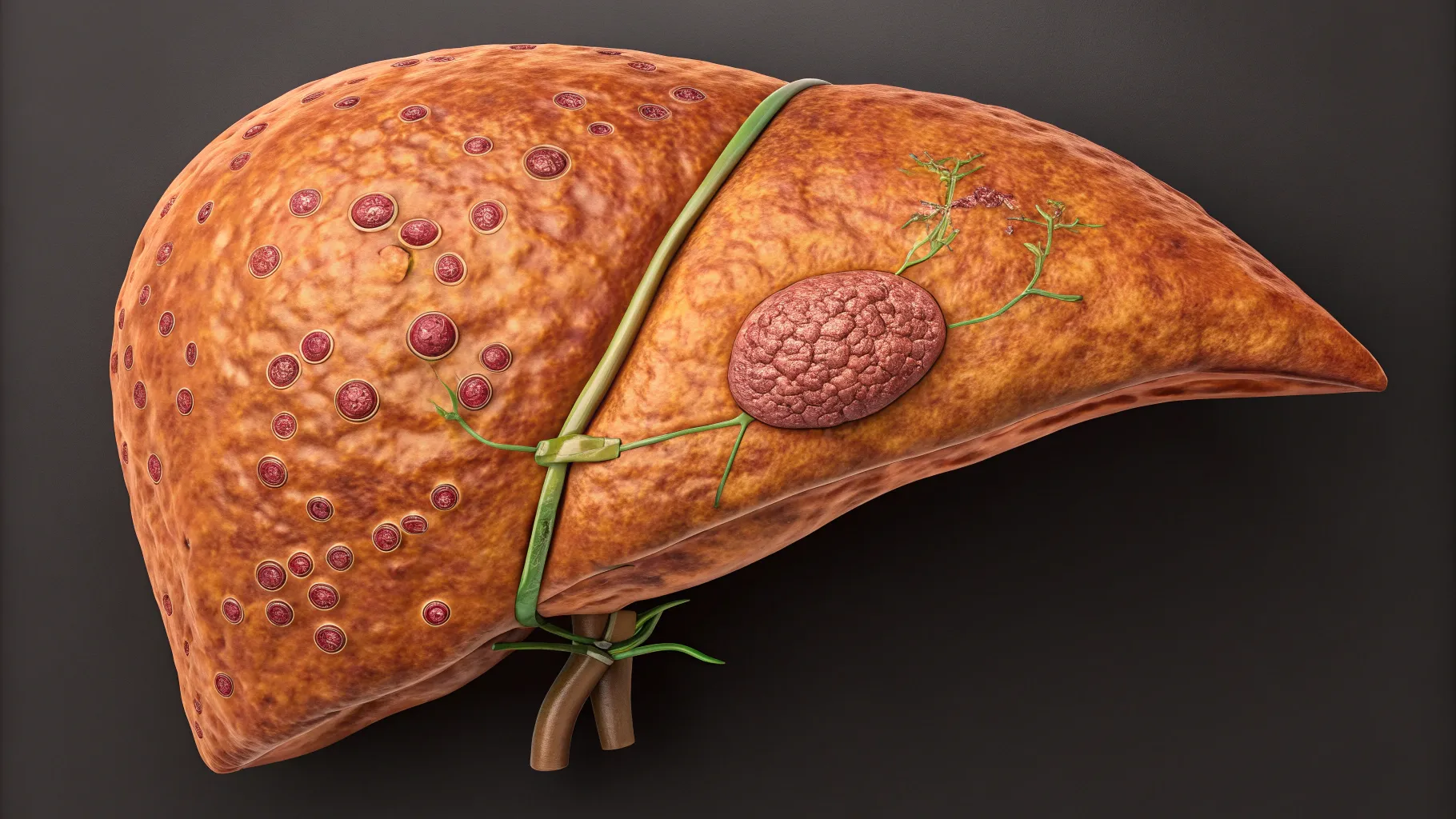
Understanding Liver Cirrhosis Causes and Symptoms
Liver cirrhosis is a critical health condition that develops when scar tissue replaces healthy liver tissue, impeding the organ's ability to function efficiently. The liver is integral to many bodily processes, including digestion, detoxification, and metabolism. Cirrhosis typically emerges over many years due to various contributing factors. It can often go unnoticed until significant damage occurs, making it essential to understand its causes and recognize early symptoms.
What Causes Liver Cirrhosis?
The causes of liver cirrhosis can vary significantly among individuals. Identifying these causes is crucial for effective prevention and early detection. Here are some of the most common factors that lead to cirrhosis:
- Chronic Alcohol Abuse: Long-term excessive alcohol consumption is one of the leading causes of cirrhosis. Studies indicate that about 20% of individuals who drink heavily may eventually develop cirrhosis. It is essential to understand that even moderate drinking may have detrimental effects on those with pre-existing liver conditions.
- Chronic Viral Hepatitis: Hepatitis B and C infections are major contributors to liver cirrhosis globally. The World Health Organization reports that around 300 million people live with chronic hepatitis B, while an estimated 71 million individuals are affected by hepatitis C, both significantly increasing the risk of liver-related diseases.
- Nonalcoholic Fatty Liver Disease (NAFLD): NAFLD, characterized by fat accumulation in the liver not due to alcohol, is increasingly common due to rising obesity. Recent estimates suggest that about 30% of the global population may have NAFLD, with a portion at risk of progression to cirrhosis.
- Autoimmune Hepatitis: This illness happens when the immune system mistakenly attacks liver cells, leading to inflammation. If untreated, autoimmune hepatitis may result in advanced liver disease and cirrhosis.
- Genetic Disorders: Inherited conditions, such as hemochromatosis and Wilson’s disease, can cause serious liver damage. In hemochromatosis, excessive iron deposits damage liver cells, while Wilson’s disease leads to copper accumulation, both precipitating cirrhosis if not managed properly.
Recognizing the Symptoms of Liver Cirrhosis
Identifying liver cirrhosis early can substantially improve treatment success rates. However, many people may not experience symptoms in the initial stages. Symptoms often become noticeable as the condition progresses. Here are some common signs to look for:
- Fatigue: Persistent tiredness is frequently one of the earliest symptoms that patients report.
- Jaundice: A yellow discoloration of the skin and eyes occurs when bilirubin accumulates, signaling liver dysfunction.
- Swelling: Known as edema, this can manifest as swelling in the legs, ankles, or abdomen due to fluid retention.
- Itchy Skin: Elevated bile salt levels can lead to intense itching, often worsening at night.
- Easy Bruising: Damaged liver function can hinder the production of factors necessary for proper blood clotting, leading to easier bruising and bleeding.
- Nausea and Loss of Appetite: Many individuals experience digestive issues, including frequent nausea and diminishing appetite.
- Cognitive Changes: A buildup of toxins may lead to confusion and cognitive impairment, a condition referred to as hepatic encephalopathy.
Recent research emphasizes the significance of early intervention, indicating that patients who engage in treatment within six months after symptom onset can see a 30% improvement in prognosis. Staying vigilant for symptoms can lead to timely medical evaluation and management.
Treatment Options for Liver Cirrhosis
While cirrhosis itself is often irreversible, there are several effective management strategies that can enhance a patient's quality of life and slow the condition's progression. Here, we explore the treatment options for liver cirrhosis available today:
- Lifestyle Modifications: One of the most impactful changes involves adopting a cleaner lifestyle, which includes reducing or eliminating alcohol consumption, adhering to a nutritious diet, maintaining a healthy weight, and incorporating regular physical activity. These changes can significantly slow cirrhosis development.
- Medications: Treatment often depends on the underlying cause. For example, antiviral treatments for hepatitis can significantly improve liver health. Other medications that regulate blood pressure in the liver can help manage complications.
- Regular Monitoring: Continuous monitoring through blood tests and imaging studies is crucial for assessing liver function and detecting potential complications early.
- Liver Transplant: In severe cases where the liver has largely lost function, transplant may be the only viable option. The American Liver Foundation notes that approximately 13,000 liver transplants occur each year, emphasizing the importance of organ donation in saving lives.
Implementing proactive strategies can empower those diagnosed with cirrhosis to manage their condition more effectively, potentially enhancing both length and quality of life. Awareness of the associated risk factors, combined with routine check-ups, plays a pivotal role in catching this complex disease as early as possible.
Living with Liver Cirrhosis
Those living with liver cirrhosis need to establish a robust support network. In addition to following prescribed medical guidelines, connecting with healthcare professionals, engaging in local or online support groups, and utilizing educational resources can provide much-needed encouragement. It's crucial to address not just the physical symptoms of liver cirrhosis but also the emotional and psychological challenges that may arise from managing a chronic condition.
To summarize, liver cirrhosis remains a significant health challenge, but understanding its causes, recognizing symptoms early, and adhering to effective treatment options can lead to considerable improvements in health outcomes. With vigilance and a commitment to are healthier lifestyle, individuals impacted by cirrhosis can continue to lead fulfilling lives while managing their condition responsibly.