Influenza Basics for Older Adults and Caregivers
Facts:
- Influenza poses a higher risk for seniors.
- Hospitalization rates for flu in older adults show an upward trend for seniors.
Protecting Seniors: Comprehensive Influenza Information for Older Adults
As the colder months approach, understanding the heightened risks of influenza in seniors becomes paramount. Older adults, particularly those aged 65 and above, face a significantly increased risk of severe complications from the flu. This comprehensive guide provides essential flu information for seniors, emphasizing the importance of preventative measures, early detection, and effective treatments for flu to ensure better health outcomes. Cultivating strong senior influenza awareness is critical for safeguarding the well-being of our aging population against the seasonal flu threat.
The Increased Vulnerability of Flu in Older Adults
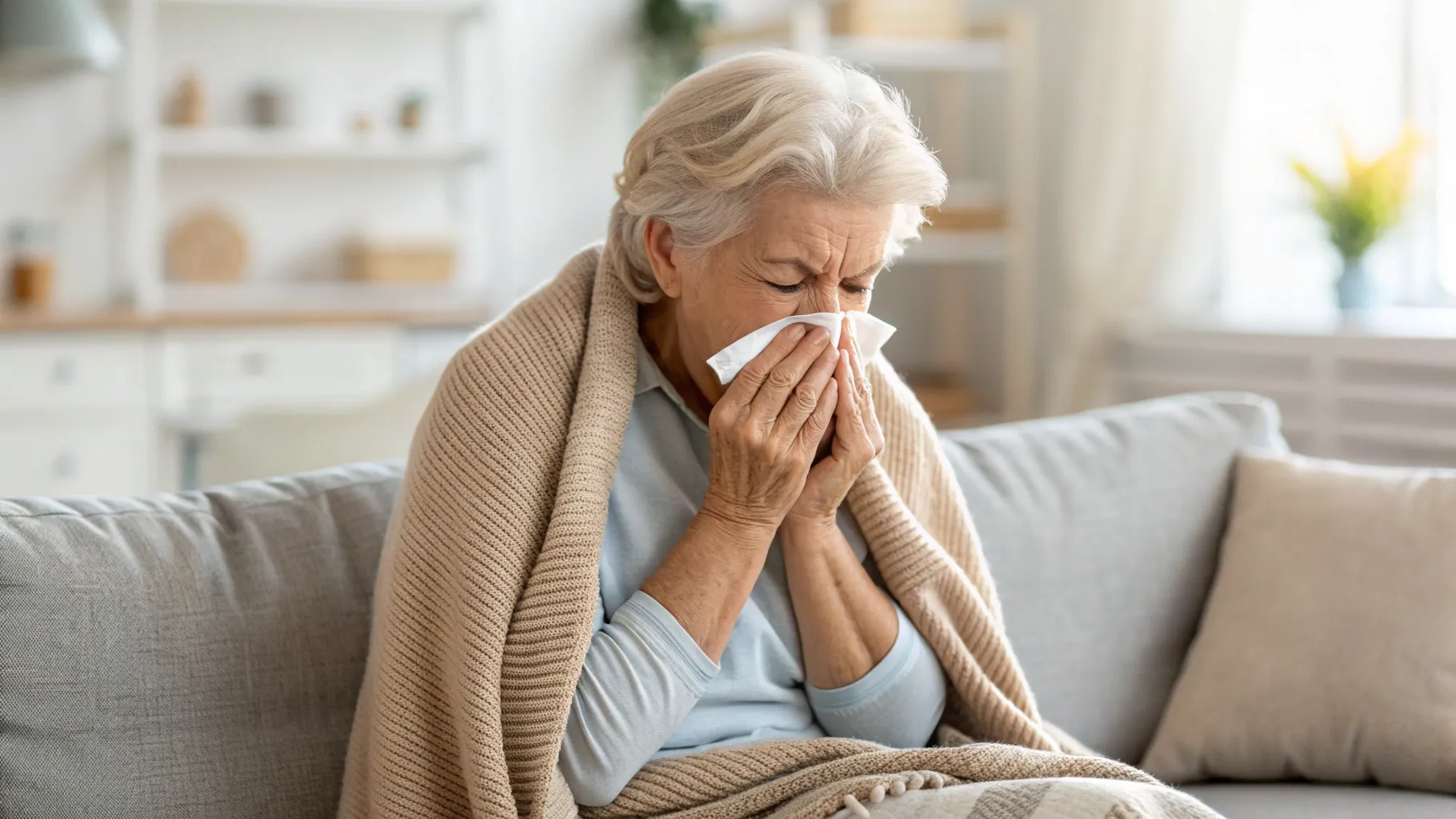
The immune system naturally weakens with age, a process known as immunosenescence, making flu in older adults a more serious health concern. This diminished immune response means seniors are less able to mount an effective defense against the influenza virus, leading to more prolonged illness, higher rates of hospitalization, and an increased risk of secondary bacterial infections like pneumonia. It's crucial for families and caregivers to recognize that the symptoms of seasonal flu seniors experience might be more severe and lead to greater complications compared to younger individuals. Understanding this inherent vulnerability is the first step in promoting robust senior influenza awareness and implementing effective protective strategies.
Recognizing Symptoms and Promoting Senior Influenza Awareness
Recognizing the symptoms of influenza in seniors can be challenging as they might be atypical or less pronounced than in younger adults. While classic flu symptoms include fever, cough, sore throat, muscle aches, and fatigue, older adults may present with more subtle signs like confusion, decreased appetite, or a general decline in functional ability without a prominent fever. Promoting strong senior influenza awareness involves educating caregivers and seniors themselves about these varied presentations. Early recognition allows for timely medical intervention, which can significantly impact the severity and duration of the illness. It's imperative that any suspected case of seasonal flu seniors experience leads to prompt medical evaluation.
Essential Preventative Measures Against Seasonal Flu Seniors Face
Prevention is undoubtedly the most effective strategy against influenza in seniors. The cornerstone of prevention is annual flu vaccination, specifically designed to protect against circulating strains of the virus. For flu in older adults, high-dose or adjuvanted flu vaccines are often recommended as they are formulated to elicit a stronger immune response in seniors. Beyond vaccination, practicing good hand hygiene, avoiding close contact with sick individuals, and regularly disinfecting frequently touched surfaces are vital components of senior influenza awareness. These collective measures significantly reduce the likelihood of contracting the seasonal flu seniors are so vulnerable to, thereby minimizing the risk of severe illness.
Navigating Treatments for Flu and Supportive Care
When influenza in seniors does occur, prompt initiation of treatments for flu can make a substantial difference. Antiviral medications, such as oseltamivir, zanamivir, peramivir, or baloxavir marboxil, are most effective when started within 48 hours of symptom onset. These medications can reduce the severity and duration of the illness and lower the risk of complications. Beyond antivirals, supportive care is crucial, including adequate rest, plenty of fluids, and managing symptoms with over-the-counter medications like acetaminophen or ibuprofen (if medically appropriate). Close monitoring for signs of worsening illness or secondary infections is an essential part of effective flu information for seniors and their caregivers.
The Role of Vitamins for Flu Recovery and Immune Support
While no single supplement can prevent or cure influenza in seniors, certain vitamins for flu recovery and immune support can play a complementary role in overall wellness. Vitamin D, for example, is recognized for its role in modulating immune responses, and maintaining adequate levels may support immune function in older adults. Vitamin C, a well-known antioxidant, also contributes to immune health. Zinc is another mineral that has been studied for its potential to reduce the duration and severity of colds and flu when taken early. However, it is crucial to emphasize that supplements should never replace vaccination or prescribed treatments for flu. Always consult with a healthcare provider before starting any new vitamin or supplement regimen, especially for flu in older adults, to ensure safety and appropriateness based on individual health conditions.
Comparison of Flu Vaccines for Older Adults
Choosing the right flu vaccine is a critical aspect of senior influenza awareness. For flu in older adults, there are generally two enhanced vaccine options available: the high-dose flu vaccine and the adjuvanted flu vaccine. The high-dose vaccine contains four times the antigen of standard flu vaccines, designed to create a stronger immune response. The adjuvanted vaccine contains an adjuvant, an ingredient added to enhance the body’s immune response to the vaccine. Both options are specifically formulated to provide better protection against influenza in seniors compared to standard-dose vaccines. Studies have shown that these enhanced vaccines are more effective in preventing flu-related hospitalizations and complications in older adults. Discussing these options with a healthcare provider is essential to determine the best choice for individual health needs, reinforcing comprehensive flu information for seniors and enabling them to make informed decisions about their health.
Actionable Advice: Enhancing Flu Preparedness in Seniors
To bolster protection against seasonal flu seniors face, proactive steps are essential:
- Annual Vaccination: Schedule your enhanced flu shot early each season. This is the single most effective way to prevent influenza in seniors and reduce severe outcomes.
- Hand Hygiene: Frequently wash hands with soap and water for at least 20 seconds, especially after coughing, sneezing, or being in public places. This simple action significantly reduces the spread of the virus.
- Avoid Close Contact: Stay away from individuals who are sick, and if you are feeling unwell, limit contact with others to prevent further transmission. This is a critical aspect of effective senior influenza awareness.
- Stay Hydrated and Rested: Ensure adequate fluid intake and prioritize sufficient sleep to support your immune system. Good hydration and rest are foundational to preventing and recovering from flu in older adults.
- Consult Your Doctor: If flu symptoms develop, contact your healthcare provider immediately to discuss potential antiviral treatments for flu. Early intervention is key to better outcomes.
- Nutritional Support: Maintain a balanced diet rich in fruits, vegetables, and lean proteins. Discussing appropriate vitamins for flu support, such as Vitamin D and Zinc, with your doctor can also be beneficial, but always prioritize professional medical advice.
Frequently Asked Questions
Why are older adults at higher risk for severe influenza?
Older adults have weakened immune systems, making them more susceptible to severe complications from influenza in seniors, including pneumonia and exacerbation of chronic conditions.
What are the best preventative measures for flu in older adults?
The most effective preventative measures include annual high-dose or adjuvanted flu vaccination, frequent handwashing, and avoiding sick individuals to minimize exposure to flu in older adults.
Can vitamins really help with seasonal flu seniors experience?
While certain vitamins for flu like Vitamin D and C can support overall immune health, they are not a substitute for vaccination or antiviral medications. Always consult a doctor before taking supplements for seasonal flu seniors.
When should an older adult seek medical attention for flu symptoms?
An older adult should seek immediate medical attention if they experience severe symptoms like difficulty breathing, chest pain, sudden dizziness, or worsening chronic medical conditions, as these could indicate serious complications of influenza in seniors.