7 Herbal Teas to Drink During Flu Season for Natural Relief
Facts:
- Herbal infusions are technically called 'tisanes', not teas.
- A rising trend for herbal teas flu season is using fresh, home-grown ingredients.
Fortify Your Wellness: The Ultimate Guide to Teas for the Cold Season
When the cold winds of winter arrive, so does the inevitable flu season, leaving many of us searching for comfort and relief. While rest is crucial, nature offers a warm and soothing embrace in the form of herbal teas. These potent brews have been used for centuries to alleviate symptoms and bolster the immune system. This guide explores the best 7 herbal teas to drink during flu season, providing you with a delicious and natural way to support your body's defenses. From easing congestion to calming a sore throat, these seasonal herbal tea options are your perfect companions for staying healthy and cozy all winter long.
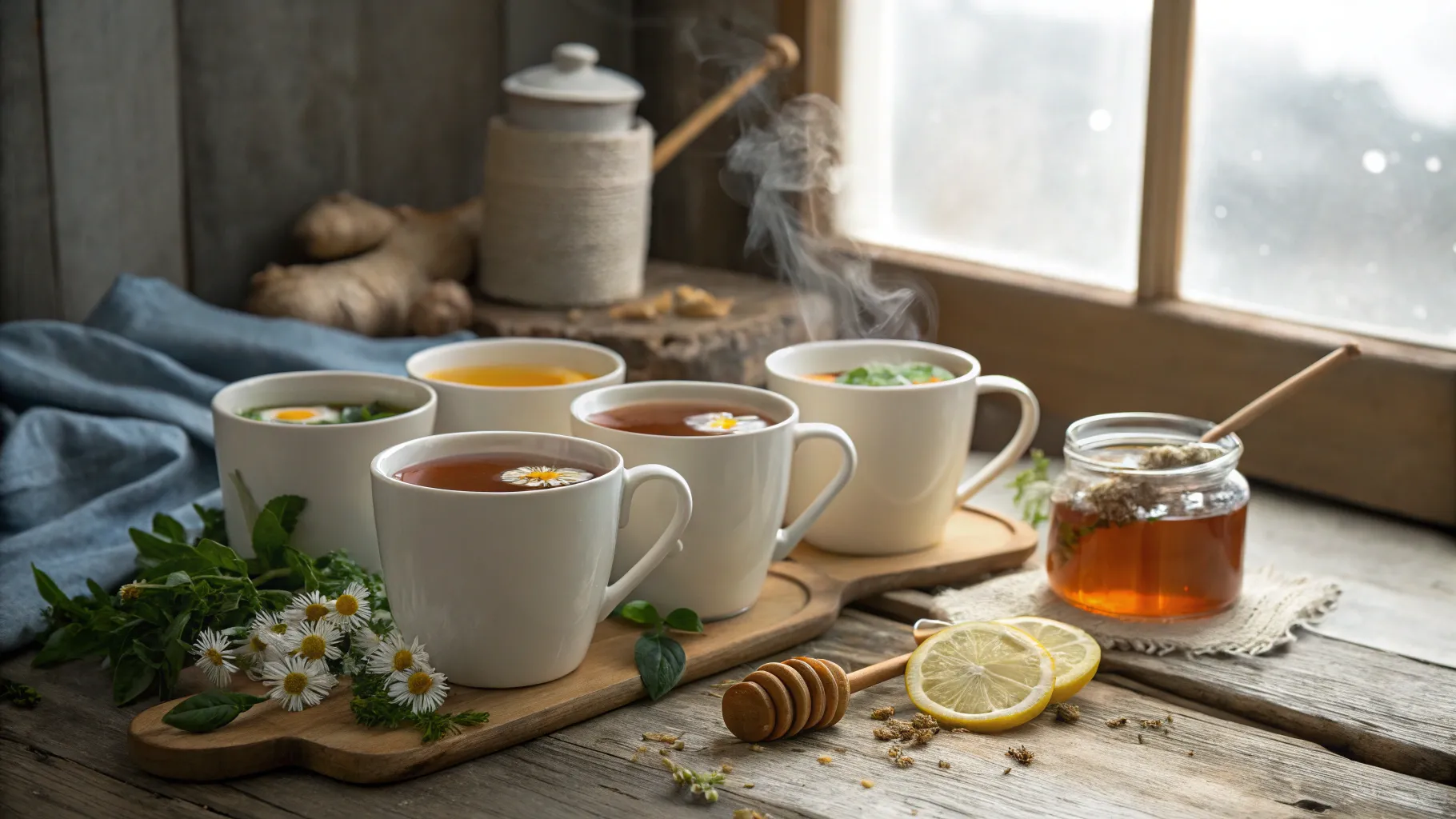
The Top 7 Herbal Teas for Flu Season Relief
Navigating the wide world of teas can be daunting, but certain herbs stand out for their exceptional medicinal properties, especially when it comes to combating flu symptoms. Below are seven powerful choices that can make a real difference in how you feel. These hot tea ideas cold season are not only effective but also delicious, making your path to recovery a more pleasant one.
1. Peppermint Tea: The Soothing Decongestant
Peppermint tea is more than just a refreshing beverage; it's a powerful ally against the flu. Its primary active compound, menthol, is a natural decongestant that helps break up phlegm and mucus, providing relief from a stuffy nose and chest congestion. The steam from a hot cup of peppermint tea alone can help open up your airways. Furthermore, its antispasmodic properties can soothe a nagging cough. This is a top choice among herbal tea varieties winter for its immediate soothing effect on the respiratory system.
2. Ginger Tea: The Spicy Anti-Inflammatory
Ginger root is renowned for its potent anti-inflammatory and antioxidant properties, thanks to compounds like gingerol. A warm cup of ginger tea can help combat the body aches and inflammation associated with the flu. It's also famous for its ability to quell nausea, a common and unpleasant flu symptom. Its spicy, warming nature promotes perspiration, which can help your body detoxify and may aid in reducing a fever. As a staple for herbal teas flu season, ginger is both a comforting and powerful remedy.
3. Chamomile Tea: The Restful Healer
Quality sleep is essential for a speedy recovery, and this is where chamomile tea shines. Known for its calming and sedative properties, it helps you get the restorative rest your immune system needs to fight off infection. Chamomile also has anti-inflammatory and pain-relieving effects that can ease a sore throat and reduce muscle aches. It's a gentle, comforting brew, making it one of the most popular seasonal herbal tea options for all ages.
4. Echinacea Tea: The Immune Booster
Echinacea is perhaps one of the most well-known herbs for immune support. It is believed to stimulate the immune system, helping your body produce more white blood cells to fight off infections. Many studies suggest that drinking echinacea tea at the first sign of a cold or flu can potentially shorten the duration and lessen the severity of symptoms. It's a proactive choice when considering which 7 herbal teas to drink during flu season to stock in your pantry.
5. Elderberry Tea: The Antiviral Powerhouse
Elderberries are packed with antioxidants and vitamins that can boost your immune system. More importantly, they contain powerful antiviral compounds that have been shown to inhibit the flu virus's ability to replicate. Drinking elderberry tea can help reduce the length and severity of flu symptoms, such as fever, headache, and muscle aches. Its pleasant, fruity flavor makes it a delightful choice among the many herbal tea varieties winter offers.
6. Lemon Balm Tea: The Calming Citrus Brew
A member of the mint family, lemon balm has a gentle, citrusy flavor and impressive medicinal benefits. It promotes relaxation and can help reduce the anxiety and restlessness that often accompany illness. Lemon balm also possesses antiviral properties, particularly against viruses in the herpes family, but its general effects are beneficial during any viral illness. It can induce sweating to help break a fever, making it a valuable addition to your list of hot tea ideas cold season.
7. Turmeric Tea: The Golden Anti-Inflammatory
Turmeric's brilliant golden color comes from curcumin, a compound with powerful anti-inflammatory and antioxidant effects. A warm mug of turmeric tea, often called 'golden milk' when prepared with milk and spices, can significantly reduce the inflammation that causes sore throats, body aches, and headaches. It supports overall immune function and is a deeply warming and comforting beverage, perfect for when you're feeling under the weather during the colder months.
Actionable Advice: Brewing the Perfect Therapeutic Cup
Getting the most out of your herbal teas flu season goes beyond simply dipping a bag in hot water. To maximize their therapeutic benefits, consider these tips:
- Use Fresh Ingredients When Possible: Grating fresh ginger or turmeric root or using fresh peppermint leaves can provide a more potent and flavorful tea than dried versions.
- Steep Properly: Cover your mug while the tea is steeping. This traps the volatile essential oils and beneficial compounds in the water instead of letting them escape with the steam. Aim for a steeping time of 10-15 minutes for roots and berries, and 5-10 minutes for leaves and flowers.
- Add a Boost: Enhance your tea with a spoonful of raw honey, which has its own antimicrobial properties and can soothe a sore throat. A squeeze of fresh lemon juice adds a dose of Vitamin C and helps with phlegm.
- Stay Hydrated: Drink several cups throughout the day. Staying hydrated is critical during the flu, and using these beneficial seasonal herbal tea options is an excellent way to do it.
Comparing Your Tea Options
When selecting your herbal tea varieties winter, you'll often face a choice between loose-leaf herbs and pre-packaged tea bags. While tea bags offer convenience, loose-leaf teas are generally of higher quality and potency. They contain larger pieces of the herbs, which retain more of their essential oils and medicinal compounds. However, a high-quality, organic tea bag from a reputable brand can still be a very effective option when you're not feeling well enough for extra preparation. The most important factor is choosing the right herb for your symptoms.
Frequently Asked Questions
How often should I drink these herbal teas during flu season?
For therapeutic effects during an active illness, it's generally recommended to drink 3-4 cups per day. Listen to your body and enjoy these warm beverages as needed for comfort and hydration. Consistent consumption of these herbal teas flu season can help support your immune system.
Can children drink these herbal tea varieties winter?
Most of these teas, like chamomile, ginger, and peppermint, are generally safe for children in moderation. However, teas containing echinacea or other potent herbs should be given with caution. It is always best to consult with a pediatrician before giving herbal remedies to children.
Are there any side effects to these seasonal herbal tea options?
While generally safe for most people, some herbs can interact with medications or cause allergic reactions. For example, individuals with ragweed allergies might react to chamomile or echinacea. If you are pregnant, breastfeeding, or on medication, consult with your healthcare provider before incorporating new herbal teas into your routine.
References
- Journal of Herbal Medicine and Phytotherapy
- Studies on Antiviral Properties of Natural Compounds
- National Center for Complementary and Integrative Health
- Traditional Uses of Medicinal Plants in Respiratory Ailments