Learn About The Causes of Eye Floaters and Vision Changes
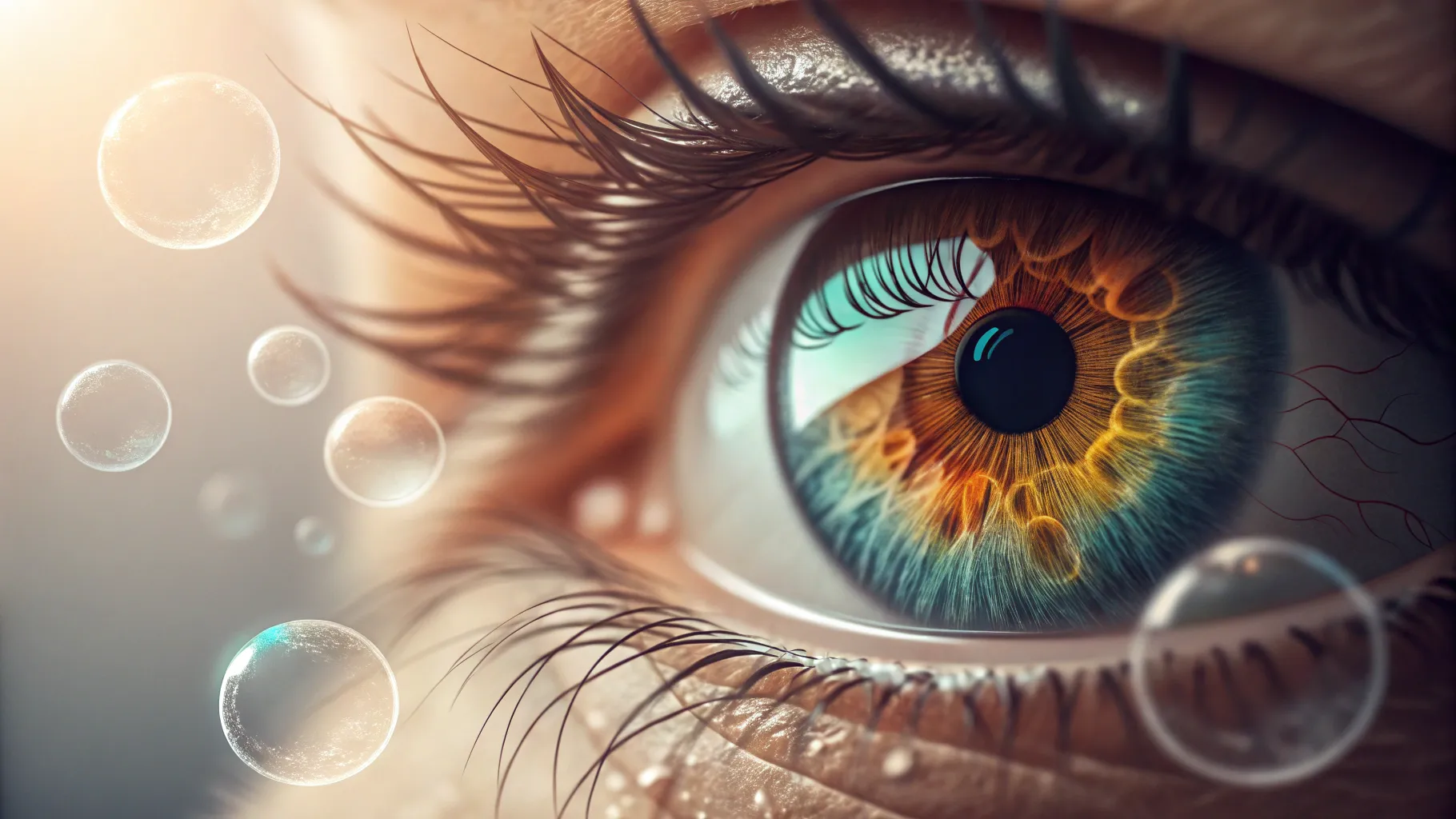
Understanding the Causes of Eye Floaters
Eye floaters can be quite puzzling and often raise concerns, particularly when they emerge out of nowhere. For many, these floaters appear as small, shadowy shapes drifting in the field of vision, often resembling spots, threads, or even cobweb-like patterns. It's common to notice them against bright backgrounds, such as a sunny sky or a stark white wall. This phenomenon can trigger a moment of alarm as floaters disrupt visual clarity.
The primary catalyst for eye floaters is most frequently the natural aging process. As individuals grow older, the vitreous humor—a gel-like substance filling the eye—undergoes significant changes. Over time, this gel may begin to shrink and detach from the retina, which leads to the creation of shadows on the retinal surface. These shadows are what we ultimately perceive as floaters. Recent studies show that nearly 30% of individuals aged from 40 to 49 report experiencing floaters. This percentage climbs dramatically for those over 50, with approximately 80% of adults in that demographic noticing floaters regularly.
The Impact of Aging on Vision Clarity
Although floaters are typically associated with aging, individuals as young as their thirties can encounter them due to factors such as severe myopia (nearsightedness) or prior eye injuries. In fact, new data reveals that about 40% of adults aged 50 and older noticed an increase in floaters within the last year. As we age, other vision complications can also arise, including presbyopia—a condition that reduces our ability to focus on nearby objects—and cataracts, resulting in cloudiness of the eye's lens. These age-related changes collectively contribute to a decline in vision quality, strongly emphasizing the importance of regular eye examinations.
Identifying When Floaters Become Concerning
While most floaters are harmless, recognizing when they may signal a more serious issue is essential. A sudden increase in the number of floaters, especially when accompanied by light flashes or a loss of peripheral vision, requires immediate medical intervention. Such symptoms may point to a retinal tear or detachment. Current research indicates that retinal detachment cases often present these warning signs, making timely medical attention critical to prevent permanent vision loss.
- Variety of Floaters: Floaters come in various forms and can differ significantly in both appearance and frequency. Some may be mere nuisances, while others can persistently intrude upon your visual experience.
- Associated Warning Signs: Being attuned to additional symptoms, such as light flashes in your vision, is crucial. If these symptoms accompany an increase in floaters, consulting an eye care professional should be a priority.
When to Schedule Your Next Eye Exam
To maintain optimal eye health, regular eye exams are indispensable. Eye care practitioners recommend that individuals over 40 should undergo comprehensive eye examinations every one to two years. If you experience sudden changes in your eyesight or additional concerning symptoms, it’s wise to book an appointment sooner. A recent study by the American Academy of Ophthalmology highlighted that while floaters are frequently benign, they can obscure serious underlying conditions that necessitate prompt medical assessments. Eye doctors may employ various diagnostic tools, including Optical Coherence Tomography (OCT) or a dilated eye exam, to gain deeper insights into your eye health.
Strategies for Maintaining Healthy Eyesight
Keeping your eyes healthy is an essential investment that requires proactive care at every age. Below are effective strategies that can significantly enhance long-term eye health:
- Regular Eye Check-ups: Frequent eye exams allow for early detection of potential issues, significantly hindering the deterioration of eyesight, particularly concerning age-related conditions.
- Protection Against UV Rays: Utilizing sunglasses with 100% UV protection minimizes risks related to conditions like cataracts. Investing in quality sunglasses is crucial for safeguarding your eye health.
- Balanced Nutrition: A diet rich in antioxidants, omega-3 fatty acids, and vital vitamins such as C and E is beneficial for overall eye functionality. Including leafy greens, fish, nuts, and citrus fruits can greatly improve your vision.
- Avoid Smoking: Smoking significantly heightens the risk of developing various eye diseases, including cataracts and age-related macular degeneration. Seeking aid to quit smoking is vital for eye health.
- Control Chronic Conditions: Keeping chronic illnesses like diabetes and hypertension under control can prevent complications that could adversely affect your eyesight.
- Limit Screen Time: With the rise of digital devices, eye strain has become increasingly common. The 20-20-20 rule suggests that every 20 minutes, you should look at something 20 feet away for at least 20 seconds to help alleviate this strain.
Being proactive in eye care and management is paramount. Through understanding age-related changes, knowing when to consult with a healthcare provider about floaters, and adopting lifestyle habits aimed at preserving optimal vision, individuals can significantly decrease their risk of serious vision complications. Embracing these practices not only enhances eyesight but also enriches overall quality of life, ensuring that you can savor the beauty of the world around you for years to come.