A Complete Journalistic Guide on How to Inspect a Used Pontoon Boat Before Buying
Acquiring a pre-owned buoyant recreational platform represents a significant sector within the modern marine market, offering families and water sports enthusiasts an affordable entry point to the boating lifestyle 10. However, navigating the pre-owned market requires a highly structured, objective approach to ensure that a lower initial investment does not translate into expensive, unforeseen repairs 10. Understanding how to inspect a used pontoon boat before buying is the most effective way to identify hidden structural compromises, electrical gremlins, and mechanical wear before signing any paperwork 7. This journalistic guide outlines the exact, step-by-step physical and mechanical assessment protocols required to evaluate a pre-owned vessel objectively.
The Core Foundation: Inspecting the Aluminum Logs and Welds
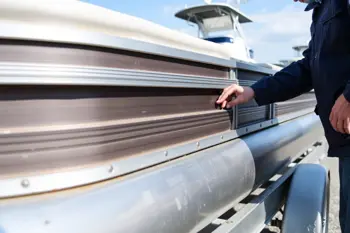
The aluminum tubes, commonly referred to as logs, are the literal foundation of any pontoon or tritoon boat 1. When conducting an exterior examination, a buyer must inspect the full length of each tube, looking for deep dents, structural cracks, or holes near the waterline that could affect buoyancy and general stability 3. While minor surface scuffs are standard indicators of cosmetic wear, any deep pitting or signs of structural weld fatigue must be treated as significant warning signs 3. It is highly recommended to inspect the integrity of the seams and bracket welds, as leaks can lead to gradual water intrusion, which severely compromises the vessel's performance 8.
In marine environments, especially where boats have been operated in saltwater, galvanic corrosion and pitting are common threat factors. Standard diagnostic procedures include checking the drain plugs for any signs of water dripping from the logs while the boat is on its trailer 21. Professional surveyors often pressure-test the tubes to the manufacturer's specified PSI to ensure there are no microscopic pinholes or compromised weld points 16. Dark, localized corrosion or heavy scaling around the mounting brackets typically indicates that sacrificial anodes were neglected, leaving the aluminum vulnerable to continuous deterioration.
Evaluating Decking, Under-Skinning, and Structural Framing
Replacing a rotted deck is one of the most labor-intensive and financially draining repairs a pontoon owner can face. To evaluate the deck's structural soundness, you must walk across the entire platform, pressing down firmly in different spots to identify soft or spongy areas 3. Softness underfoot is a primary symptom of water damage or wood rot beneath the carpet or vinyl flooring 3. Additionally, the condition of the fencing, gate latches, and side railings must be checked to confirm they are sturdy and free of sharp edges that could present safety hazards 2.
An often overlooked but critical inspection zone is the underside of the deck, which requires crawling beneath the trailer. Structural crossmembers and the transom area must be assessed for bending, cracking, or loose fasteners. In performance-oriented pontoon configurations, builders often install aluminum under-skinning sheets. These sheets must be securely fastened; loose or missing panels can scoop up water at high speeds, creating excessive drag and structural stress on the framing. Standard wood decks should also be inspected from underneath to confirm that the marine-grade plywood has not started to delaminate or sag around major support beams.
Mechanical Assessment of the Outboard Motor
The outboard motor represents a substantial portion of the boat's total valuation. A visual inspection should begin with a search for signs of active oil leaks, severe saltwater corrosion, or improper mounting on the transom. The propeller blades must be examined for major nicks, cracks, or bends, as even minor shaft or prop damage can cause vibrations that eventually ruin the transmission seals and lower unit gears. Buyers should ask for comprehensive maintenance records to verify regular oil changes and water pump impeller replacements 21.
| Engine Component | Inspection Criteria | Potential Failure Symptoms |
|---|---|---|
| Engine Oil & Filters | Check oil level, color, and smell | Milky color (water intrusion); burnt smell |
| Lower Unit Gear Lube | Check for metal shavings or water mix | Dark grey or milky fluid; metallic debris |
| Propeller & Shaft | Inspect for bends, nicks, or play | Excessive vibration during operation |
| Water Pump Impeller | Verify consistent water stream (tell-tale) | Weak stream, rapid engine overheating |
Electrical Systems and Marine Wiring Integrity
Electrical gremlins are notoriously common in marine environments due to constant exposure to high moisture and vibration 18. A proper physical check requires turning on every single accessory switch at the helm console. This includes testing the navigation lights, anchor lights, bilge pumps, horn, stereo, depth finder, and aerated livewells if the vessel is configured for fishing 3. Flickering accessory displays or dead toggle switches are classic indicators of corroded terminal connections or frayed, brittle wiring under the dash 3.
Furthermore, the physical security of the marine batteries must be checked. Batteries must be securely mounted in protective trays with clean, tight terminals that are free of green copper corrosion or acid buildup. If the boat features a dual-battery setup, test the selector switch to ensure it isolates the starting and house batteries correctly. Frayed wiring or substandard aftermarket wiring additions represent a fire hazard and should be documented as critical repair items before finalizing any transaction.
The Necessity of a Sea Trial and Operational Testing
A boat can appear immaculate at the dock, but a physical sea trial under load is the only objective way to verify its actual performance. A comprehensive sea trial should last long enough to bring the outboard motor to its full operating temperature. During the test, observers should monitor the engine's idling stability, throttle response, steering smoothness, and power trim adjustments. The steering system should turn smoothly from full left to full right without binding or requiring excessive force.
Operating the boat at wide-open throttle (WOT) allows the buyer to verify that the engine reaches its manufacturer-recommended RPM range. This step is crucial for confirming that the outboard is properly propped for the hull's weight. Any unusual vibrations, clunking sounds when shifting gears, or signs of rapid overheating on the dashboard gauges are immediate indicators of mechanical wear that require a certified marine technician's evaluation. Watching the transom closely under acceleration can also reveal if there is flex or structural weakness in the motor mount.
Trailer Inspection and Ownership Documentation
A pontoon boat is only as mobile as the trailer beneath it. Prior to transport, the trailer frame must be examined for deep structural rust, cracked welds, or bent axles. Bunk boards should be solid and covered with intact marine carpet to prevent scratching the aluminum tubes. Tire physical condition is another high-priority safety check; look for dry rot cracks in the sidewalls and verify that the tread depth is sufficient 19. Wheel bearings must be checked for grease leakage, as failed bearings can lead to wheel lockup on the highway.
Finally, verifying the legal status of the vessel is essential for a smooth transaction. Buyers must cross-reference the physical Hull Identification Number (HIN) on the starboard transom with the title and registration paperwork 12. Any discrepancies in the HIN, engine serial numbers, or owner names can lead to severe registration delays with state agencies or the Coast Guard. Ensuring all documentation is clear and that no active liens exist on the vessel protects the buyer from costly legal complications post-purchase.
Sources
- Pontoon Boats: https://www.pontoonboats.org/the-ultimate-guide-to-used-pontoon-boats-everything-you-need-to-know-before-you-buy/
- Goodhue Boat Company: https://goodhueboat.com/the-ultimate-guide-to-buying-a-pre-owned-pontoon-boat/
- Canada Powersports Financing: https://www.canadapowersportsfinancing.com/when-buying-a-used-pontoon-boat/
- FindABoat.io: https://findaboat.io/blog/pontoon-boat-buying-guide/
- Marine45: https://45marine.com/blogs/complete-boat-buyers-guide/complete-used-boat-buyers-guide
- My Pontoon Boating For Families Site: https://pontoonboatingforfamilies.com/what-to-avoid-when-buying-a-pontoon-boat/
- Marinesurveync: https://marinesurveync.com/the-ultimate-checklist-for-your-pre-purchase-boat-inspection/
- Travis Marine: https://www.travismarine.net/boat-maintenance/what-to-look-for-during-a-boat-inspection/
- Marine Marketing Solutions: https://marinemarketingsolutions.net/used-pontoon-boats-for-sale-by-owner/
- North Bay Boat Works Market Guide: https://northbayboatworks.com/used-pontoon-boat-sales
- My Financing USA: https://www.myfinancingusa.com/resources/what-to-look-for-when-buying-a-used-boat-a-comprehensive-guide-checklist/
- Reeder Trausch Marine: https://www.reedertrauschmarines.com/blog/75193-buying-a-used-boat-in-2026
- Russell Marine: https://www.russellmarine.net/blog/what-to-look-out-for-when-buying-a-used-boat/
- Carefree Boat Club: https://carefreeboats.com/used-boat-buying-guide-lake-lanier-atlanta-ga/
- Blogging Webs: https://bloggingwebs.com/business/buying-a-used-boat-heres-what-a-pre-purchase-inspection-should-actually-cover/
- North Bay Boat Works Mini Pontoons: https://northbayboatworks.com/used-mini-pontoon-boats
- Yachting Experts: https://yachtingexperts.com/the-boat-buying-checklist-every-first-time-buyer-needs/
- Boat Genesis: https://boatgenesis.com/what-to-look-for-when-buying-a-used-fiberglass-boat/
- Better Boat: https://betterboat.com/blogs/news/pontoon-boat-trailer-parts
- Pontoon Stuff: https://www.pontoonstuff.com/blogs/pontoon-boat-restoration-resources/spring-pontoon-boat-maintenance-checklist
- TaxFree RV: https://taxfreerv.com/spring-checklist-for-maintaining-your-pontoon-boat/