Orthopedic Sandals for Seniors: A Clinician-Informed Consumer Guide
Why Orthopedic Sandals Matter for Older Adults
Foot health becomes a progressively significant clinical concern as adults age. The American Podiatric Medical Association emphasizes that orthopedic footwear with arch support is important for seniors to prevent falls and reduce foot-related injuries. 1 The National Institute on Aging similarly notes that wearing proper shoes can help older adults stay safe and comfortable while walking, particularly on uneven surfaces where balance is already compromised. 2 Sandals, which are practical during warmer months, must meet a higher functional threshold for seniors than general-purpose footwear because open construction reduces the containment that conventional shoes provide.
Foot complications in older adults, including chronic pain from common conditions such as plantar fasciitis, make supportive footwear considerably more desirable than standard fashion sandals. 3 Podiatrists frequently recommend orthopedic sandals as therapeutic footwear for seniors managing diabetes, peripheral neuropathy, or post-surgical foot recovery, where pressure distribution and non-restrictive fit are clinical priorities rather than style considerations. 4
Core Structural Features Found in Senior Orthopedic Sandals
Orthopedic sandals designed for older adults share a recognizable set of engineering characteristics. Arch support is the most clinically cited feature: the Cleveland Clinic describes plantar fasciitis management as closely tied to footwear that provides adequate longitudinal arch reinforcement, reducing the tensile load on the plantar fascia during ambulation. 5 A cushioned footbed, particularly a deep heel cup, absorbs impact shock and preserves the natural fat pad beneath the heel, which thins with age. Weber Orthopedics, for example, describes their zero-drop sole design as keeping heel and forefoot level to promote natural posture and relieve pressure on the knees, hips, and lower back. 6
A wide toe box is another structural priority. Rootstep's Cascade sandal, developed with podiatrists, specifically markets room for bunions and wide feet, eliminating the pinching associated with narrower footwear. 7 Similarly, the ABEO Oasis Cross from The Walking Company features a cushioned deep heel cup and adjustable forefoot and ankle straps to provide a personalized fit suited to all-day wear. 8 A non-slip, treaded outsole rounds out the structural baseline, addressing the outdoor traction and fall-prevention needs that clinical organizations consistently identify as priorities for the senior demographic.
Common Foot Conditions Addressed by Orthopedic Sandal Design
Several specific conditions drive the demand for orthopedic sandals among seniors. Healthline reports that orthopedic sandals help seniors manage plantar fasciitis, bunions, and arthritis-related foot pain through proper arch support and pressure redistribution. 9 Plantar fasciitis, which Dr. Priya Parthasarathy of the APMA has described as being worsened by flexible, nonsupportive sandals that make the foot work harder, is particularly prevalent in older populations. 10 The American Orthopaedic Foot and Ankle Society provides consumer-oriented guidance emphasizing the role of supportive footwear in improving comfort and function for these chronic conditions. 11
Neuropathy and edema also shape orthopedic sandal design for seniors. Products like the Clara's Footwear Daphne, developed with podiatrists, highlight a soft, non-restrictive fit to ease nerve pain and tingling, alongside materials that stretch to accommodate swelling throughout the day. 12 The Joya Alicante sandal from Foot Comfort Shoes incorporates a removable Ortholite supportive insole, allowing wearers who already use prescribed orthotics to substitute the stock insole for their own, making the sandal compatible with clinical footwear regimens. 13
Market Landscape: Styles, Materials, and Price Ranges
The orthopedic sandal market for seniors spans a wide range of styles and price points. General market research indicates that orthopedic sandals typically cost between $60 and $200, depending on brand and the complexity of support features incorporated. 14 At the accessible end of the market, options such as the Oveltrix Women's Orthopedic Open Toe Sandals are positioned around $39.99 and emphasize EVA cushioning and a plantar fasciitis-oriented wide toe box. 15 Mid-range offerings like the Rootstep Cascade, rated 4.8 out of 5 from 1,369 reviews, are priced at approximately $89.95 and feature barefoot technology combined with an ergonomic sole recommended by podiatrists. 7
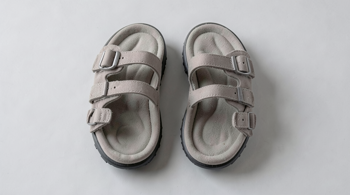
Premium orthopedic sandals, such as the ABEO Oasis Cross at $139.95, incorporate premium leather uppers, built-in orthotics, and dual adjustable straps for a precisely fitted, all-day wear profile. 8 Brands reviewed by Verywell Fit testing editors, including Merrell, Chaco, ECCO, and Teva, were evaluated across categories including arch support, stability, cushioning, and surface grip over more than 80 tested models. 16 The Birkenstock Arizona remains a commonly cited benchmark in this category, with podiatrist Dr. Parthasarathy specifically naming Birkenstock and Vionic as gold-standard brands and recommending cork footbeds for their supportive cushioning, durability, and long-term comfort. 10
Insurance Coverage and Medical Eligibility Considerations
A meaningful financial consideration for seniors is that orthopedic sandals may qualify for insurance reimbursement under specific circumstances. Medicare and supplemental insurance plans may cover orthopedic footwear when prescribed by a physician for specific medical conditions affecting the feet. 17 This coverage pathway is most commonly applicable to seniors with diagnosed diabetes who qualify under Medicare's Therapeutic Shoe Program, which funds diabetic footwear and inserts when ordered by a treating physician and supplied by a qualified footwear professional.
Eligibility criteria are strict, however, and coverage is not guaranteed for general comfort or age-related foot pain without a qualifying diagnosis. Consumers seeking reimbursement should obtain documentation from a licensed podiatrist or orthopaedic physician before selecting a product, as coverage typically requires both the medical order and the supplier to meet specific Medicare enrollment standards. The American Academy of Orthopaedic Surgeons provides clinical guidance confirming that supportive footwear is a recognized intervention for managing foot pain, which may support a physician's recommendation in appropriate cases. 18
Fit, Safety, and Practical Limitations to Evaluate
Selecting orthopedic sandals for seniors requires careful attention to fit mechanics that go beyond size alone. Feet swell during the day, particularly in heat or when standing for extended periods, meaning a sandal that fits correctly at 10 am can become uncomfortably tight by the afternoon. Adjustable strap systems, particularly those with hook-and-loop or buckle closures, are clinically preferred over slip-on designs for seniors because they allow real-time fit adjustment as foot volume changes throughout the day. 3
Practical limitations also exist with orthopedic sandal design. Open construction, while beneficial for breathability and swelling accommodation, provides less lateral stability than closed footwear on uneven terrain. Seniors with significant gait instability, balance disorders, or a documented fall history should consult a physical therapist or podiatrist before transitioning to sandals as primary outdoor footwear. Outsole grip is a critical variable: smooth leather or minimally textured soles on wet or polished surfaces represent a measurable hazard, while sandals with rubber treading outsoles, as seen in the Hart Orthopaedics Mesh Sport Sandal line, offer greater slip resistance for outdoor use. 19 Return policies ranging from 30 to 90 days, now standard across most orthopedic sandal brands, allow adequate time to assess real-world comfort and fit before committing to a purchase.
Sources
- American Podiatric Medical Association (APMA) - apma.org
- National Institute on Aging (NIA/NIH) - nia.nih.gov/health/basics-falls-prevention
- General LLM Research Data on Orthopedic Sandals for Seniors
- General LLM Research: Podiatric Therapeutic Footwear Recommendations
- Cleveland Clinic - Plantar Fasciitis - my.clevelandclinic.org
- Weber-Orthopedics.com - Orthopedic Sport Mesh Sandals Product Page
- Root-Step.com - Rootstep Cascade Orthopedic Sandals Product Page
- TheWalkingCompany.com - ABEO Oasis Cross Product Page
- Healthline - Best Sandals for Plantar Fasciitis - healthline.com
- Health.com - Most Comfortable Sandals 2026, Dr. Priya Parthasarathy, DPM/APMA
- American Orthopaedic Foot and Ankle Society (AOFAS) - aofas.org
- ClarasFootwear.com - Daphne Orthopedic Sandals Product Page
- FootComfortShoes.co.uk - Joya Alicante Senso Sandals Product Page
- General LLM Research: Orthopedic Sandal Price Range Data
- Oveltrix.com - Women's Orthopedic Open Toe Sandals Product Page
- Verywellfit.com - Best Walking Sandals for Women, Tested
- Medicare.gov - Therapeutic Shoe Program Coverage Information
- American Academy of Orthopaedic Surgeons (AAOS) - orthoinfo.aaos.org
- HartOrthopaedics.com - Orthopedic Mesh Sport Sandals Product Page